The short version
- Cameron Brink publicly criticized Enes Kanter Freedom for using transgender issues to generate attention, labeling his behavior as an attempt to remain relevant through divisive tactics.
- League officials and team executives have dismissed the eligibility claims of former NBA players seeking WNBA draft entry, characterizing their moves as publicity stunts rather than serious athletic pursuits.
- The controversy has intensified following a recent incident where Kanter Freedom was banned from Chicago Sky games after confronting a player, highlighting growing tensions within the league.
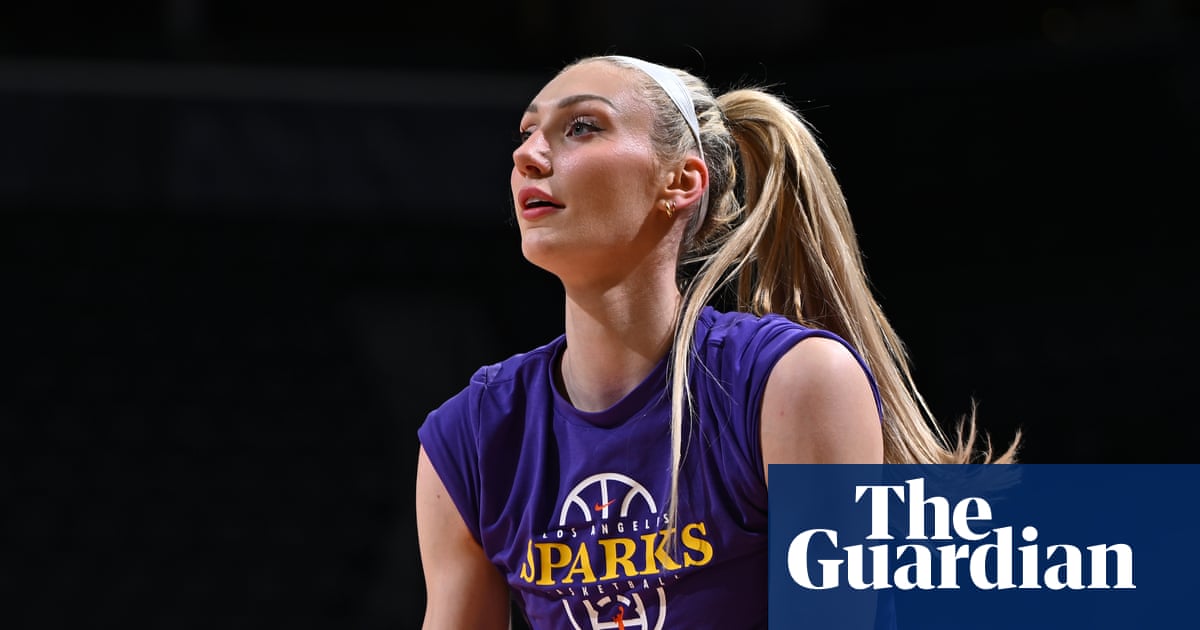
Cameron Brink, a prominent center for the Los Angeles Sparks, has issued one of the most direct and forceful criticisms from an active WNBA player regarding the recent controversies surrounding former NBA star Enes Kanter Freedom. In an interview with the Mirror this week, Brink condemned Kanter Freedom’s public declarations and actions as malicious attempts to generate attention by targeting the transgender community. She described him using explicit language, asserting that his behavior is driven by a desire to stay relevant rather than any genuine commitment to sports or social justice issues.
The tension stems from Kanter Freedom and fellow former NBA player Royce White publicly declaring their intent to enter the WNBA draft, stating they identify as women. League sources have firmly rejected these claims, noting that neither individual is eligible for the draft. Officials have characterized these declarations as publicity stunts designed to provoke debate rather than legitimate athletic endeavors. This stance aligns with the league’s broader effort to maintain focus on basketball amidst a summer marked by intense national scrutiny over gender identity in sports.
Brink emphasized that the issue of transgender women participating in women’s professional basketball is currently a non-issue, given that no player assigned male at birth has ever been on a WNBA roster. She argued that individuals like Kanter Freedom are exploiting this absence to create conflict and gain visibility. According to Brink, such tactics are not only low but also harmful, as they target a vulnerable community for the sake of clicks, views, and likes. Her comments reflect a growing frustration among players who feel their sport is being used as a platform for political grandstanding.
The controversy has escalated beyond online rhetoric into physical confrontations at games. Recently, the Chicago Sky banned Kanter Freedom from their home arena after he was involved in an altercation with guard Natasha Cloud. During the incident, Kanter Freedom was seated along the baseline wearing a shirt that defined womanhood in biological terms. The confrontation led to his ejection from the venue, and team president Michael Alter stated that it was clear his purpose was to be provocative and stir up attention. This ban underscores the league’s zero-tolerance policy for behavior that disrupts games or threatens player safety.
Sophie Cunningham, a guard for the Indiana Fever, had previously sparked debate by telling ESPN that transgender women should not be allowed to participate in women’s sports. Her comments contributed to the heightened scrutiny surrounding the league, even though no actual cases of transgender athletes joining WNBA teams have occurred. The collective bargaining agreement specifies that the WNBA is restricted to women but does not provide detailed language regarding gender identity or sex assigned at birth. This ambiguity has left room for interpretation and exploitation by those seeking to challenge the status quo.
WNBA Commissioner Cathy Engelbert has also weighed in on the situation, issuing a statement criticizing those attempting to create narratives around transgender participation in sports. She denounced individuals who seek to sow divisiveness and turn the league into a political football. Engelbert’s remarks align with Brink’s perspective, suggesting that the league leadership views these controversies as external attacks rather than internal issues requiring policy changes. The commissioner’s stance reinforces the organization’s commitment to protecting its players from unnecessary harassment and distraction.
Brink’s comments come at a time when she is establishing herself as a key figure in the league. Selected as the No. 2 overall pick in the 2024 draft, she has been averaging 9.4 points and 5.0 rebounds per game for Los Angeles this season. Her vocal stance on these issues highlights her willingness to engage with broader social topics while maintaining her focus on athletic performance. By speaking out, Brink joins other players who are increasingly comfortable addressing off-court controversies that impact their professional environment.
As the WNBA continues to navigate this complex landscape, the league faces the challenge of balancing free expression with the need to protect its athletes from harassment. The actions of Kanter Freedom and others like him have tested these boundaries, forcing teams and officials to take decisive measures to maintain order. While some view these incidents as isolated events, they reflect a larger trend of using sports platforms to advance political agendas. The league’s response will likely set precedents for how similar situations are handled in the future.
Looking ahead, the WNBA must continue to monitor developments closely and ensure that its policies remain clear and consistent. Players like Brink play a crucial role in shaping public perception and defending the integrity of the sport. Their voices provide insight into the experiences of athletes who face daily pressures both on and off the court. As the season progresses, the league’s ability to manage these external challenges will be critical in preserving its reputation and fostering a supportive environment for all participants.
Sources behind this briefing
Go to the original reporting
- The Guardian US↗WNBA star Brink launches withering attack on Kanter Freedom over anti-trans stunt

