The short version
- Commissioner Cathy Engelbert confirmed that discussions regarding transgender athlete eligibility will continue through a task force of team executives.
- The WNBA Players Association issued a statement affirming its commitment to diversity and inclusion while refusing to serve as a political tool in the debate.
- Current collective bargaining agreements define eligibility broadly without specific language on gender identity, leaving room for interpretation and future negotiation.
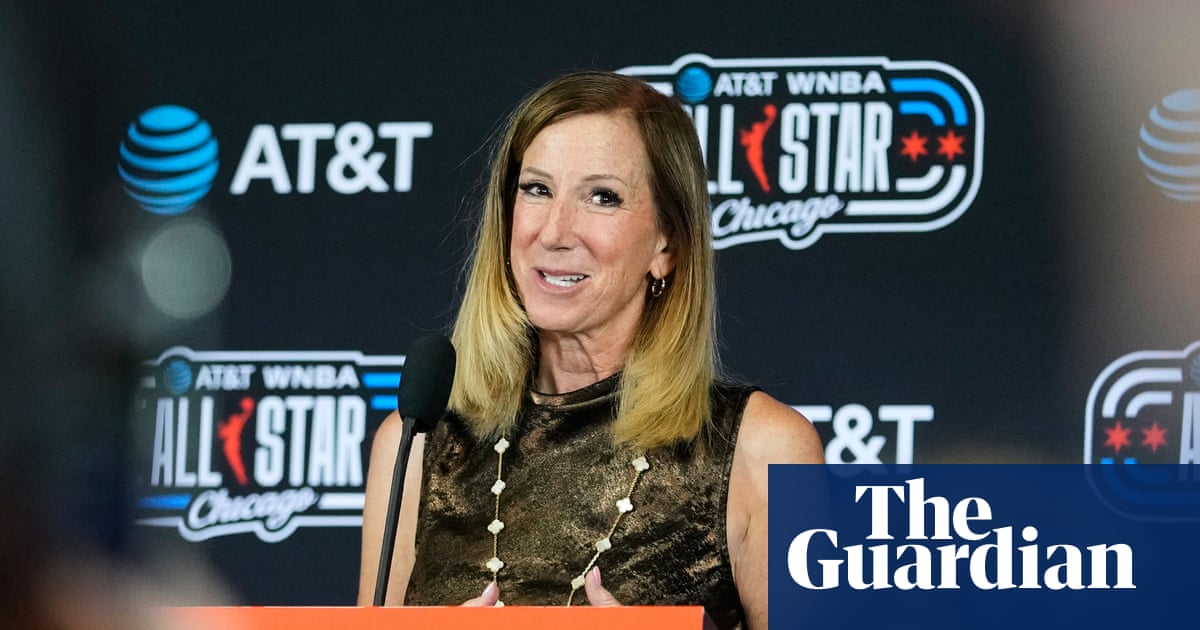
The Women’s National Basketball Association has formally acknowledged that the question of transgender athlete participation remains an active and unresolved issue within the league. Commissioner Cathy Engelbert distributed a memo to all team owners and executives late last week, signaling that the organization intends to maintain ongoing conversations about eligibility standards. This internal communication arrives at a moment of heightened public scrutiny, driven by recent comments from high-profile players and subsequent protests at games across the country.
Engelbert’s message emphasized a commitment to handling the subject with care and respect, aligning with what she described as the league’s longstanding values. She noted that the topic is expected to attract significant attention in the coming weeks and months. The commissioner thanked team personnel for their professionalism in responding to media inquiries, suggesting that the pressure on franchises to take public stances has been substantial. The memo indicated that a task force composed of team presidents and general managers would address the matter further during a scheduled meeting next week.
The catalyst for this renewed focus appears to be remarks made by Indiana Fever forward Sophie Cunningham. In an interview published last month, Cunningham expressed support for excluding transgender girls and women from female sports categories. Her statements triggered immediate reactions, including small-scale rallies and protests in Seattle and Portland when the Fever played away games. A single protester was also present at a home game against Las Vegas. Conservative groups have organized additional demonstrations in support of Cunningham ahead of an upcoming matchup in Chicago.
In response to the growing controversy, the WNBA Players Association released a statement on social media that sought to clarify its position. The union emphasized its dedication to justice, equity, diversity, and inclusion, describing these principles as the foundation that allows it to protect women’s sports while driving positive change. The association explicitly stated that it would not be used as a political pawn, condemning hate and demonization of any group, including transgender individuals, as sources of fear and division.
The legal and structural framework governing player eligibility adds another layer of complexity to the situation. Under the current collective bargaining agreement, only players who are women are permitted to compete in the WNBA. However, the contract does not provide detailed definitions regarding gender identity or sex assigned at birth. This ambiguity means that the league’s existing rules do not explicitly address the specific scenarios raised by recent public debates, leaving room for interpretation and potential future renegotiation.
The issue gained further visibility when two former National Basketball Association players, Enes Kanter Freedom and Royce White, announced their intention to enter the WNBA draft. Both men stated that they identify as women, thereby testing the boundaries of the league’s current eligibility criteria. Their declarations have intensified the pressure on league officials to clarify how they will apply existing rules or whether new guidelines are necessary.
Opinions within the basketball community remain divided. While some figures have voiced support for restrictions, others have advocated for inclusivity. Seattle Storm center Stefanie Dolson and Minnesota Lynx coach Cheryl Reeve have publicly backed transgender athletes. Reeve framed the issue as a matter of human rights, arguing that every child deserves access to sports participation. These differing viewpoints highlight the difficulty of reaching a consensus that satisfies all stakeholders.
Engelbert’s memo indicated that the league plans to hold additional listening sessions for team leaders who wish to participate in the dialogue. She described the topic as complex and nuanced, suggesting that no quick resolution is likely. The emphasis on feedback and perspective-sharing implies that the league views this as a long-term challenge requiring careful navigation rather than an immediate policy shift.
As the season progresses, the WNBA faces the dual challenge of maintaining competitive integrity while upholding its stated values of inclusion. The lack of specific language in the current labor agreement means that any changes to eligibility rules would likely require negotiation with the players’ union. This dynamic ensures that the debate will continue to evolve, influenced by both internal discussions and external political pressures.
The coming weeks will be critical in determining how the league manages this sensitive issue. With task force meetings scheduled and public attention focused on the matter, the actions taken by league officials could set a precedent for other sports organizations. The balance between preserving fair competition and ensuring equal opportunity remains at the heart of the conversation, with no clear resolution in sight.
Sources behind this briefing
Go to the original reporting
- The Guardian US↗WNBA commissioner says league will continue discussing issue of transgender eligibility

