The short version
- Democratic socialist Francesca Hong has emerged as the frontrunner in Wisconsin’s gubernatorial primary, challenging establishment-backed candidates.
- The race reflects a broader national tension between progressive momentum and moderate concerns about electability in competitive swing states.
- The winner will face Republican Tom Tiffany, with the outcome potentially determining Democratic control of the state government.
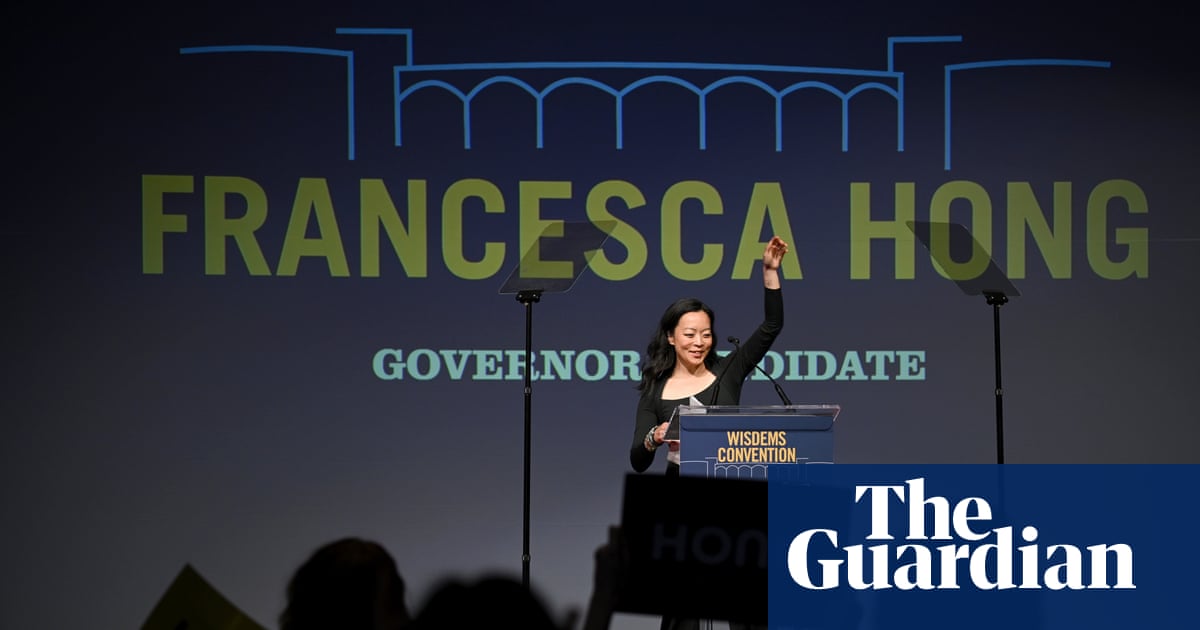
Wisconsin voters are preparing to decide whether to nominate a democratic socialist for governor, marking a significant test of anti-establishment sentiment within the Democratic Party. Francesca Hong, a state lawmaker and former restaurant owner from Madison, has positioned herself as the leading candidate in a four-way primary race. Her campaign emphasizes material improvements to daily life, including universal childcare, free school meals, and a temporary halt on new data center construction. This platform appeals to voters who have expressed frustration with the political status quo.
The contest has become a focal point for national attention following recent progressive victories in other states, such as Abdul El-Sayed’s win in Michigan’s Senate primary. However, Wisconsin’s status as a swing state introduces distinct pressures regarding electability. Moderate candidates and their supporters argue that Hong’s ideological stance may hinder efforts to defeat Republican opponents in the general election. This dynamic has intensified scrutiny of the primary field, with observers watching closely to see if the progressive wave can translate into success in a competitive midwestern battleground.
David Crowley, the Milwaukee County Executive, re-entered the race in July after initially withdrawing. His return was bolstered by the endorsement of outgoing Governor Tony Evers, who is not seeking re-election. Crowley and Evers have campaigned across the state, framing Crowley as the more viable option for winning a general election against Republican Tom Tiffany. Despite this establishment backing, Crowley has rejected the label of an establishment candidate, arguing that his focus on practical governance distinguishes him from traditional political elites.
The primary field has seen significant volatility in recent weeks. Sara Rodriguez, a previous top contender, withdrew due to campaign finance irregularities, paving the way for Crowley’s re-entry. Mandela Barnes, the 2022 Democratic Senate nominee, also dropped out in late July. The current race includes Hong, Crowley, State Senator Kelda Roys, and former state administration head Joel Brennan. This shifting landscape has left many voters undecided, with polling from Marquette University Law School in late July showing Hong leading but with a substantial portion of the electorate yet to commit.
Hong’s campaign has faced intense scrutiny over past comments and policy positions. Republicans, led by Donald Trump, have highlighted her previous support for defunding police departments and a tweet suggesting the cancellation of Thanksgiving. These attacks have drawn national media attention, forcing Hong to defend her record while maintaining her progressive platform. She argues that voters are tired of decisions that do not materially improve their lives and are ready for candidates who will fight for systemic change.
The stakes extend beyond the governor’s office. The winner of the Democratic primary will face Tom Tiffany, a Republican congressman and staunch Trump supporter who ran unopposed in his party’s primary. Tiffany voted against certifying the 2020 election results, making the retention of the governorship crucial for Democrats. Securing this office is seen as essential for maintaining influence over state elections and countering Republican efforts to challenge electoral outcomes.
Democrats also hope to win both chambers of the state legislature to achieve a governing trifecta. This would allow them to enact their legislative agenda without obstruction from Republican lawmakers. The outcome of the governor’s race could therefore have long-term implications for policy implementation in Wisconsin, particularly regarding social services and economic regulation. A progressive victory would signal a shift in the party’s direction, while a moderate win might suggest a return to traditional electoral strategies.
Elsewhere in Wisconsin, voters in the western part of the state are deciding which Democratic candidate will face Republican Derrick Van Orden in the third congressional district. This race is viewed as a key opportunity for Democrats to gain ground in Congress. Rebecca Cooke, a moderate Democrat, has received national support from the Democratic Congressional Campaign Committee, despite criticism from local party members who view this intervention as inappropriate. Her opponent, Emily Berge, has gained momentum amid the broader anti-establishment sentiment.
The Wisconsin primary serves as a bellwether for the future of the Democratic Party. As voters weigh their options, they are balancing ideological preferences with practical considerations about electoral viability. The results will provide insight into whether the progressive wave seen in solidly blue states can replicate its success in swing regions. Regardless of the outcome, the race underscores the ongoing tension within the party between grassroots activism and establishment pragmatism.
With the primary approaching, campaigns are ramping up their efforts to mobilize voters. Hong’s supporters emphasize her connection to working-class communities and her commitment to bold policy changes. Crowley’s team highlights his experience in local government and his ability to appeal to a broader electorate. As the final days of campaigning unfold, the focus remains on whether Wisconsin Democrats will embrace a transformative agenda or prioritize electoral safety in a closely divided state.
Sources behind this briefing
Go to the original reporting
- The Guardian US Politics↗Francesca Hong aims to ride progressive wave in Wisconsin primary for governor