The short version
- Democratic operatives are utilizing long-form, personal conversations to engage voters concerned about healthcare access in western Wisconsin.
- The strategy focuses on the potential loss of coverage due to federal budget cuts and the closure of local hospitals.
- Early results suggest these interactions can significantly alter voter positions on expanding state Medicaid programs.
In the rural communities of western Wisconsin, a distinct political strategy is taking shape ahead of the November elections. Organizers are moving away from traditional brief surveys and instead engaging residents in extended, personal dialogues about healthcare struggles. This approach, known as deep canvassing, involves volunteers spending fifteen to twenty minutes with voters at their doorsteps. The goal is not merely to collect data but to foster empathy and potentially shift opinions on policy issues that directly impact daily life.
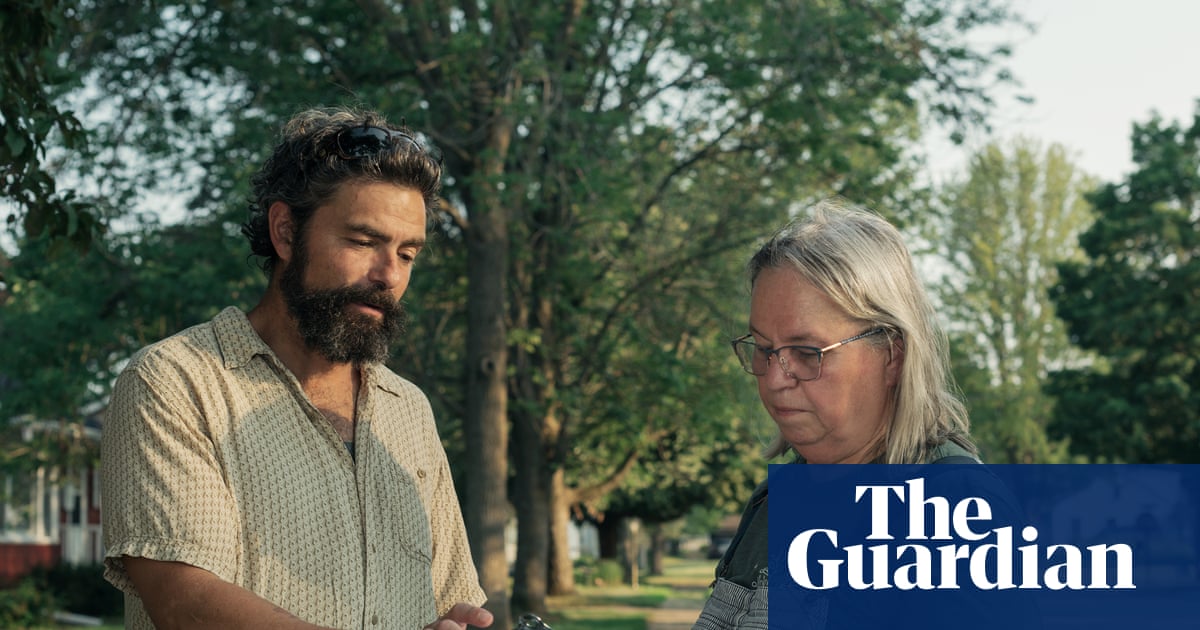
Bill Hogseth, a lead organizer for GrassRoots Organizing Western Wisconsin, exemplifies this method by sharing his own medical history with strangers. He discusses his frequent seizures and the resulting limitations on his ability to drive or work. By revealing personal vulnerability, he encourages residents to open up about their own experiences with the healthcare system. These conversations often reveal stories of financial strain, such as individuals driving themselves to hospitals to avoid ambulance fees or parents struggling to balance employment needs with insurance coverage.
The timing of this effort coincides with heightened political activity in Wisconsin’s third congressional district. Democrats are attempting to unseat Republican Representative Derrick Van Orden, a race that has drawn attention from national figures. President Trump visited Chippewa Falls in June to discuss agricultural issues, signaling the region’s importance on the electoral map. The district is currently experiencing a heated campaign season, with both parties recognizing the stakes involved in retaining or flipping this seat.
Healthcare has emerged as a central fault line in these contests. Voters are weighing candidates who supported significant reductions in Medicare and Medicaid funding against those advocating for expanded access. Van Orden voted for legislation that includes one trillion dollars in healthcare cuts over the next decade, with implementation scheduled to begin in January. Democrats are highlighting this vote as a critical liability, arguing that it threatens the stability of local medical services.
The urgency is compounded by recent structural changes in the region’s medical infrastructure. Two hospitals in western Wisconsin permanently closed their doors in 2024, and researchers have identified additional facilities at risk of shutting down or reducing services. Rebecca Cooke, the Democratic nominee challenging Van Orden, has made healing the healthcare system her top priority. She noted that rising costs under the Affordable Care Act have forced her to cancel her own insurance, a situation she says is common among her acquaintances.
Organizers are specifically targeting support for BadgerCare, Wisconsin’s Medicaid program for low-income families. The group aims to conduct four thousand conversations in the northern part of the third district between May and November. Approximately forty trained canvassers are working three days a week throughout the region. This effort is particularly significant because Wisconsin is one of ten states that did not expand Medicaid under the ACA, leaving many residents without coverage options.
Estimates suggest that more than 276,000 Wisconsinites could lose healthcare coverage as the federal cuts take effect. The impact extends beyond the congressional race, influencing state legislative contests and an open gubernatorial election. Expanding BadgerCare remains a potential reality depending on the outcome of these November votes. Hogseth noted that regardless of partisan affiliation, the issue is generating considerable anger among residents who feel their struggles are ignored by Washington.
Research indicates that deep canvassing can reduce prejudice and change voting behavior. In some instances, individuals who initially opposed Medicaid expansion expressed full support by the end of the conversation, with some even volunteering to get involved. The method appears effective in humanizing policy debates, allowing voters to connect abstract legislative decisions to tangible personal consequences.
Tensions are visible in public spaces as well. In Taylor County, a deeply Republican area, protesters gathered near a picnic shelter where Republican gubernatorial nominee Tom Tiffany was scheduled to speak. A decommissioned ambulance and gurney were displayed outside the venue, creating a stark visual contrast with the political event nearby. Attendees of both the protest and the Republican gathering could see each other, highlighting the proximity of opposing viewpoints in this competitive district.
As the election approaches, the effectiveness of these personal interactions will be tested against broader national trends. While traditional polling measures immediate intent, deep canvassing seeks to alter underlying attitudes. The success of this strategy may depend on whether voters prioritize local healthcare concerns over other political factors. With hospitals closing and coverage at risk, the stakes for residents in western Wisconsin are exceptionally high.
Sources behind this briefing
Go to the original reporting
- The Guardian US Politics↗Where healthcare could sway voters, Democratic canvassers ramp up an old tactic: talking to people