The short version
- Approximately five thousand residences have been ordered to evacuate while roughly six hundred structures face destruction near Spokane.
- A separate complex in western Idaho and eastern Oregon has consumed over five hundred square miles of grassland and threatens additional communities.
- Emergency officials cite steep canyon topography, rising temperatures, and shifting wind patterns as major obstacles to containment efforts.
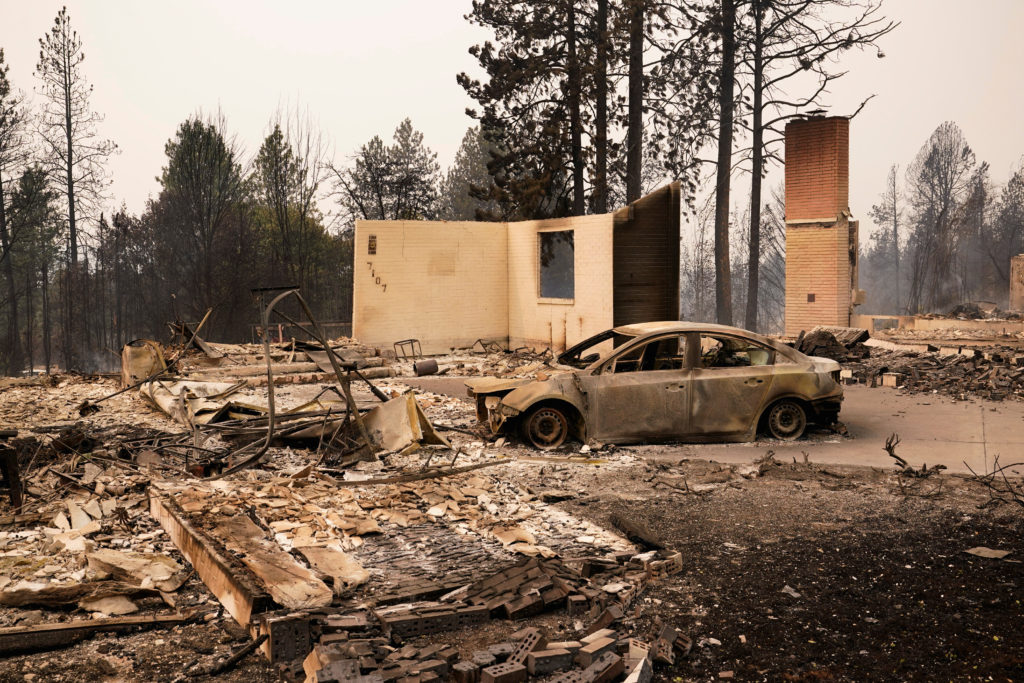
Wildfire activity across the Pacific Northwest has intensified significantly over the past week, prompting large-scale evacuations and emergency declarations in eastern Washington. Authorities report that roughly five thousand residences near Spokane have been ordered to empty as multiple blazes continue to spread without containment. The rapid expansion of these fires has already resulted in the loss of approximately six hundred homes, commercial properties, and other buildings, straining regional response capabilities and highlighting the vulnerability of urban-wildland interfaces during peak fire season.
Simultaneously, a major complex burning across western Idaho and eastern Oregon has consumed nearly five hundred twenty-five square miles of grassland over ten days. This separate incident threatens more than six hundred dwellings and hundreds of additional structures in an area known for agricultural operations. Federal response teams from California have been deployed to assist local crews, who are utilizing heavy machinery and aerial support to establish control lines while navigating difficult conditions that have persisted since the initial lightning strikes ignited the vegetation.
Meteorological forecasts indicate that dry, sunny conditions will persist through the week, with temperatures expected to climb above ninety degrees Fahrenheit in several regions. Emergency coordinators note that steep canyon walls and hilly landscapes near Spokane are channeling wind gusts that could reach forty-five miles per hour. These topographical features create turbulent airflow patterns that push flames upward along slopes and complicate suppression strategies, making it difficult for ground personnel to safely approach active fire fronts.
State leadership has activated emergency protocols to coordinate resources and manage shelter operations, including the conversion of a major convention center into a temporary refuge for displaced residents. The National Weather Service has issued air quality advisories across multiple states in the region, alongside red flag warnings for areas facing elevated ignition risks. While no fatalities have been confirmed in the Spokane vicinity, officials emphasize that the combination of extreme heat, dry vegetation, and unpredictable wind behavior continues to hinder progress toward containment, requiring sustained coordination between federal, state, and local agencies.
Sources behind this briefing
Go to the original reporting
- PBS NewsHour↗Eastern Washington fires have burned 600 structures and forced the evacuation of 5,000 homes

