The short version
- Wildfire smoke contributions to prenatal air pollution have doubled since 2003, offsetting a 37 percent drop in human-caused emissions.
- Low-income, rural, and Indigenous communities face the highest exposure levels and often lack access to adequate neonatal care.
- Prenatal exposure to fine particulate matter from fires increases risks of premature birth and low birth weight, with long-term health consequences.
Decades of regulatory progress in reducing air pollution are being undone by the increasing intensity and frequency of wildfires. A new analysis published in Frontiers in Environmental Health indicates that smoke from these fires has become a greater threat to prenatal health than traditional sources of industrial and vehicular emissions. The findings suggest that while society has successfully curtailed many forms of chemical and carbon pollution, the changing climate is creating conditions where natural disasters are reversing those public health victories.
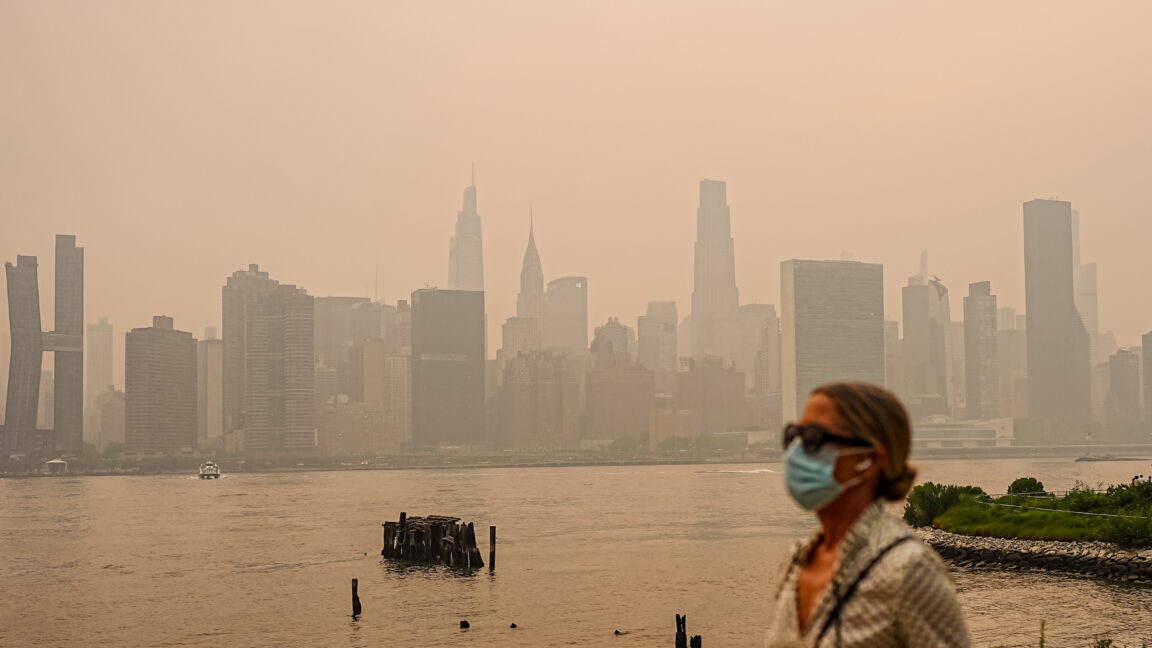
The Clean Air Act, signed into law in 1970 following earlier warnings about environmental degradation, led to an approximate 80 percent reduction in combined emissions from vehicles and factories over the subsequent decades. This legislative framework significantly improved air quality across the United States. However, researchers from the University of Maryland, College Park, found that these gains are no longer holding steady for unborn children. The warming and drying effects of unchecked fossil fuel combustion are driving more destructive wildfires, which blanket communities in toxic smoke that poses unique risks to developing fetuses.
The study examined data spanning from 2003 to 2019, covering nearly 65 million live births across the contiguous United States. By utilizing Environmental Protection Agency records and computer models, the team estimated daily exposure to fine particulate matter, known as PM2.5, for infants during their time in the womb. The analysis distinguished between pollution originating from human activities, such as traffic and manufacturing, and that stemming from natural sources like wildfires. This methodological approach allowed researchers to isolate the specific impact of fire smoke on prenatal air quality trends.
The results showed a stark divergence in pollution sources over the sixteen-year period. While average daily prenatal exposure to human-caused air pollution dropped by 37 percent, the contribution from wildfires doubled. This surge in smoke-related particulates effectively neutralized the improvements achieved through stricter emissions standards. The researchers noted that this shift represents a systematic offsetting of air quality gains, meaning that despite cleaner cars and factories, the overall air environment for pregnant women has not improved in many regions due to the rising burden of wildfire smoke.
The health implications of this exposure are significant. Prenatal contact with wildfire smoke is linked to an increased likelihood of babies being born prematurely or with low birth weight. These conditions elevate the risk of early mortality and can lead to chronic respiratory issues and other diseases later in life. Although the current study focused on characterizing exposure levels rather than directly tracking birth outcomes, previous research has established strong connections between perinatal air pollution and childhood respiratory health. The findings underscore the vulnerability of infants to environmental changes that occur before they are even born.
Geographic and socioeconomic disparities were prominent in the data. In the Western and Northwestern United States, the proportion of air pollution attributable to wildfires more than doubled during the study period. These regions have experienced several catastrophic fires in recent years, exacerbating local air quality issues. Furthermore, the burden falls heaviest on low-income, rural, and Indigenous populations. These communities not only face higher exposure levels but also often have limited access to neonatal care, compounding the health risks associated with poor air quality during pregnancy.
Experts outside the study team acknowledged the importance of this research for understanding modern pollution dynamics. Ilona Jaspers, a professor at the University of North Carolina, noted that the study effectively applies a birth-weighted lens to the well-established trend of wildfire-dominated ambient PM2.5 levels. While the research does not account for individual behaviors such as mask usage or indoor air filtration, it highlights a broader environmental shift. Data from independent monitoring networks suggest that fine particulates penetrate homes easily, making avoidance difficult even for those with protective measures in place.
The limitations of the study include its reliance on data ending in 2019, which predates some of the most severe wildfire seasons in recent history. Additionally, the models do not capture individual variations in exposure based on daily activities or home environments. Nevertheless, the core finding remains clear: the benefits of decades of air pollution regulation are being eroded by climate-driven wildfires. As fire seasons grow longer and more intense, the gap between regulatory success and actual health outcomes may widen, particularly for marginalized groups who lack resources to mitigate exposure.
Addressing this challenge requires a multifaceted approach that goes beyond traditional emissions controls. While reducing fossil fuel use remains critical to slowing climate change and mitigating wildfire risk, immediate strategies must also focus on protecting vulnerable populations during fire events. Improving access to air filtration systems, enhancing early warning systems, and ensuring equitable healthcare access are essential steps. The study serves as a cautionary tale that environmental regulations alone may not be sufficient if underlying climatic drivers of pollution continue to intensify.
Looking ahead, the integration of more recent data will be crucial for updating these findings. As wildfire activity continues to reshape air quality landscapes, ongoing monitoring and research are needed to assess the long-term health impacts on children born during periods of high smoke exposure. Policymakers and public health officials must consider these emerging threats when designing interventions. The reversal of prenatal air quality gains highlights the urgent need to address both the sources of pollution and the systemic inequalities that determine who bears the brunt of environmental hazards.
Sources behind this briefing
Go to the original reporting
- Ars Technica↗Wildfire smoke now bigger prenatal threat than human sources of air pollution
