The short version
- Two beaver kits have been born at Pensthorpe nature reserve, marking the first wild reproduction in Norfolk since the early 16th century.
- The origin of the parent pair remains unclear, with officials suspecting illegal release despite the nearest wild population being over 130 miles away.
- Reserve managers are seeking permission to introduce more beavers to ensure genetic diversity and expand the ecological benefits observed so far.
Wild beaver kits have been born in Norfolk for the first time in more than five centuries, signaling a significant shift in the region's wildlife landscape. The newborns are the offspring of two free-living beavers that arrived mysteriously at Pensthorpe nature reserve near Fakenham last December. This breeding pair established a lodge on the River Wensum, becoming the first wild beavers recorded in Norfolk since native populations were hunted to extinction in England during the early 1500s.
The circumstances surrounding the arrival of the parent beavers remain unexplained. While beaver populations have gradually re-established themselves in parts of the English countryside since 2015, the nearest known wild group is located more than 130 miles away on the River Stour in Kent. Richard Spowage, manager of Pensthorpe nature reserve, noted that some observers suspect the animals were illegally released by conservation activists, a practice sometimes referred to as beaver bombing. The reserve does not support such unauthorized introductions, yet the staff welcomed the presence of the playful young animals.
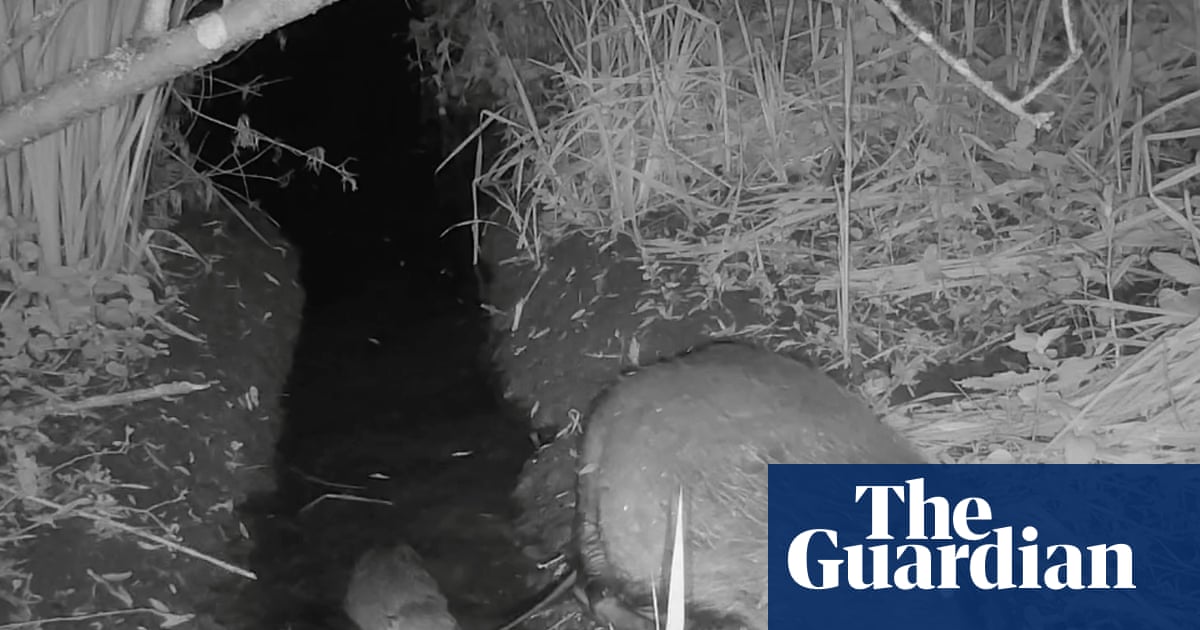
Camera trap footage has provided rare insights into the behavior of the three-month-old kits. Initial recordings showed a single young beaver interacting with a parent, chewing on branches and leaves. Later footage captured a second kit running alongside its sibling, indicating successful reproduction. The young beavers have been observed feeding on willow and water mint, though they have also encountered minor setbacks, such as reacting sharply after what appears to be a nettle sting. They are already demonstrating independence, learning to dive into the river and slap their tails against the surface to deter predators like otters.
The presence of these beavers presents both opportunities and challenges for conservationists. A primary concern is genetic diversity; with only one family unit currently present, the kits will have no mates other than their parents and siblings if the population does not expand. Spowage emphasized that a single family cannot sustain a healthy river system long-term. To address this, the reserve has launched a crowdfunding campaign to support an application to Natural England for permission to legally introduce additional beavers into the Wensum, which flows into the Norfolk Broads.
Expanding the population would require significant resources, including ecological studies of the river system, staff training, and extensive consultation with various stakeholders. The goal is to create a broader genetic pool that allows for proper interbreeding and population growth. Spowage expressed hope that these hurdles can be overcome, noting that government leadership in species recovery could alleviate frustration among conservationists who feel current legal release efforts are too slow and limited in scale.
Despite historical opposition from farmers who fear dam-related flooding and crop damage, attitudes toward beavers are shifting. During recent heatwaves, some landowners have recognized the value of beaver-created reservoirs for water management. One farmer reported that a beaver family on his property created a reservoir holding three million liters of water, proving to be a valuable asset during dry periods. Spowage noted that landowners are increasingly realizing that beavers help manage water resources, which is particularly beneficial for farmland in the context of changing climate conditions.
So far, the impact of the Pensthorpe beavers on the local environment has been minimal but positive. They have not constructed large dams or major structures on the river. Instead, they have cleared some trees and dug small channels along the riverbanks. This activity has thinned nearby woodland, allowing more sunlight to reach the forest floor and encouraging plant growth in the rich fen habitat. The reserve staff observed that the beavers are performing ecological management tasks more effectively than human interventions had previously achieved.
The modifications made by the beavers have already attracted a variety of other wildlife. Blue tits, great tits, blackcaps, water rails, jays, mallards, ducklings, foxes, otters, and roe deer have all been recorded using or drinking from the shallow channels created by the beavers. These interactions highlight the broader ecological benefits of beaver activity, which supports biodiversity beyond just the species itself.
Natural England is currently working with Pensthorpe nature reserve, the Beaver Trust, and other stakeholders to ensure the welfare of the animals and develop a comprehensive action plan. A spokesperson for Natural England stated that reintroducing beavers makes a substantial difference to nature's recovery. When managed carefully, these releases can secure long-term environmental benefits, suggesting that the situation in Norfolk could serve as a model for future conservation efforts across the UK.
The reserve manager indicated that while the beavers currently live in a secret, inaccessible location within the reserve, they may expand their territory and become more visible to visitors in the future. The success of this initial breeding event underscores the potential for wild beaver populations to re-establish themselves in areas where they have been absent for centuries, provided that appropriate management and legal frameworks are in place.
Sources behind this briefing
Go to the original reporting
- The Guardian World↗Wild beaver kits born in Norfolk for first time in more than 500 years

