The short version
- The White House has withdrawn the nomination of Lance Schroyer to lead Immigration and Customs Enforcement less than three months after initially announcing his selection.
- Schroyer’s confirmation stalled in the Senate because committee chair Rand Paul had not scheduled a hearing, while internal agency officials expressed doubt about his lack of specific experience with ICE operations.
- The withdrawal occurs against a backdrop of intense scrutiny for the agency following fatal shootings by federal agents and public backlash over aggressive enforcement tactics during the current administration.
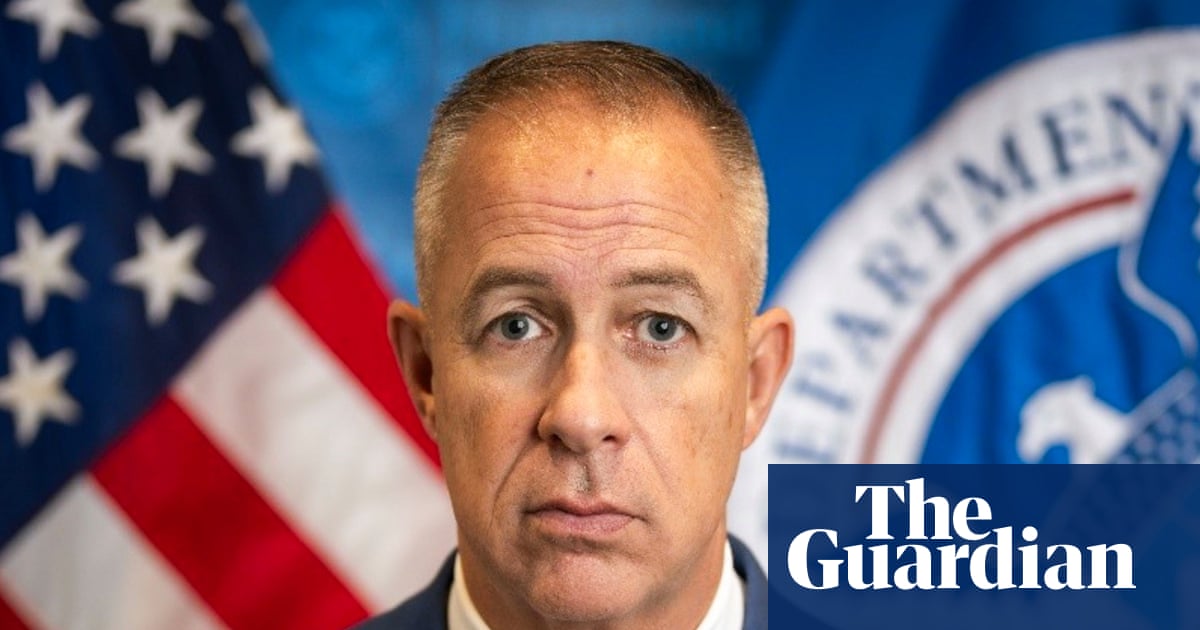
The White House has officially withdrawn the nomination of Lance Schroyer to serve as the director of Immigration and Customs Enforcement. The announcement, posted on the official White House website on Thursday, came less than three months after President Donald Trump initially selected the former Oklahoma state trooper for the position. Administration officials did not provide a specific reason for the reversal in their public statement, leaving the precise motivations behind the decision unclear to outside observers.
Schroyer’s path to confirmation had already encountered significant procedural hurdles within the legislative branch. His nomination stalled in the Senate because Rand Paul, the Republican chairman of the Homeland Security and Governmental Affairs Committee, had not yet scheduled a hearing for the candidate. This lack of movement from the committee chair effectively blocked the process before it could reach a full vote, creating a bottleneck that likely contributed to the administration’s decision to retract the nomination.
Beyond legislative delays, the selection faced substantial criticism regarding Schroyer’s professional background. Critics pointed out that he lacks formal experience working directly within Immigration and Customs Enforcement or similar federal immigration agencies. Prior to his nomination, Schroyer served as a member of the security detail for Homeland Security Secretary Markwayne Mullin during Mullin’s tenure in the Senate. He subsequently transitioned into an advisory role for Mullin, but this trajectory did not include direct management experience with ICE operations.
Internal skepticism within the Department of Homeland Security also appeared to undermine the nomination. Unnamed employees at the department told reporters in August that they were opposed to Schroyer taking over the agency and implementing its enforcement changes. These internal concerns suggested a disconnect between the White House’s assessment of Schroyer’s leadership capabilities and the practical realities of managing a complex federal law enforcement organization.
President Trump had initially championed Schroyer in June, describing him as a patriot with operational experience and a proven track record in law enforcement. The president urged Senate colleagues to confirm the appointment immediately, framing Schroyer as a leader capable of executing an aggressive immigration enforcement agenda. However, the gap between this political endorsement and the technical requirements of the role became a focal point for detractors who questioned whether state trooper experience translated effectively to federal immigration policy.
The withdrawal takes place during a period of heightened controversy surrounding ICE activities. The agency has faced intense public scrutiny in the current term due to a rapid expansion of its operations aimed at cracking down on immigrants across the United States. Officers have been deployed to various cities to conduct sweeping arrests, often utilizing face coverings and discreet clothing to avoid immediate identification. These tactics have sparked backlash from local communities who argue that such methods instill fear rather than ensure public safety.
Tensions escalated sharply earlier this year following incidents in which federal agents fatally shot two U.S. citizens, Renee Good and Alex Pretti, during operations in Minnesota. Authorities accused both individuals of agitating law enforcement, but the shootings provoked nationwide outrage and intensified criticism of ICE’s conduct. The previous acting director, Todd Lyons, faced condemnation for refusing to apologize to the families of the deceased, leading to his departure from the position in May.
The agency has not had an officially confirmed director since 2017, relying instead on a series of acting leaders to maintain operations. David Venturella currently serves as the most recent acting director. The absence of a permanent head has coincided with adjustments in enforcement strategies, partly driven by public pressure and internal reassessments. Homeland Security Secretary Mullin and Tom Homan, the White House border czar, have faced criticism from some Trump allies for not deporting enough immigrants, highlighting the political pressures surrounding immigration policy.
It remains uncertain whether the administration will immediately nominate another candidate to lead ICE or who might be considered for the role. The withdrawal leaves a leadership vacuum at an agency that continues to operate under significant public and political scrutiny. As the White House moves forward, the focus may shift toward finding a nominee with broader acceptance among Senate leaders and internal agency staff, though no timeline has been established for such a process.
The situation underscores the challenges of staffing key enforcement positions during periods of policy expansion and public controversy. While the White House maintains its commitment to strict immigration enforcement, the personnel decisions required to execute that agenda are subject to legislative checks and internal organizational dynamics. The next steps will likely involve further deliberation within the administration on how to balance political goals with operational stability.
Sources behind this briefing
Go to the original reporting
- The Guardian US Politics↗White House withdraws nomination of ex-state trooper Lance Schroyer to head ICE