The short version
- A federal court ruling temporarily restored access for banned news organizations, prompting major networks to end their solidarity boycott.
- The pause in television coverage created a significant blackout during high-profile events, including the UN General Assembly and a summit with China's president.
- Tensions remain high as journalists were initially denied entry to a state dinner despite the judicial intervention.
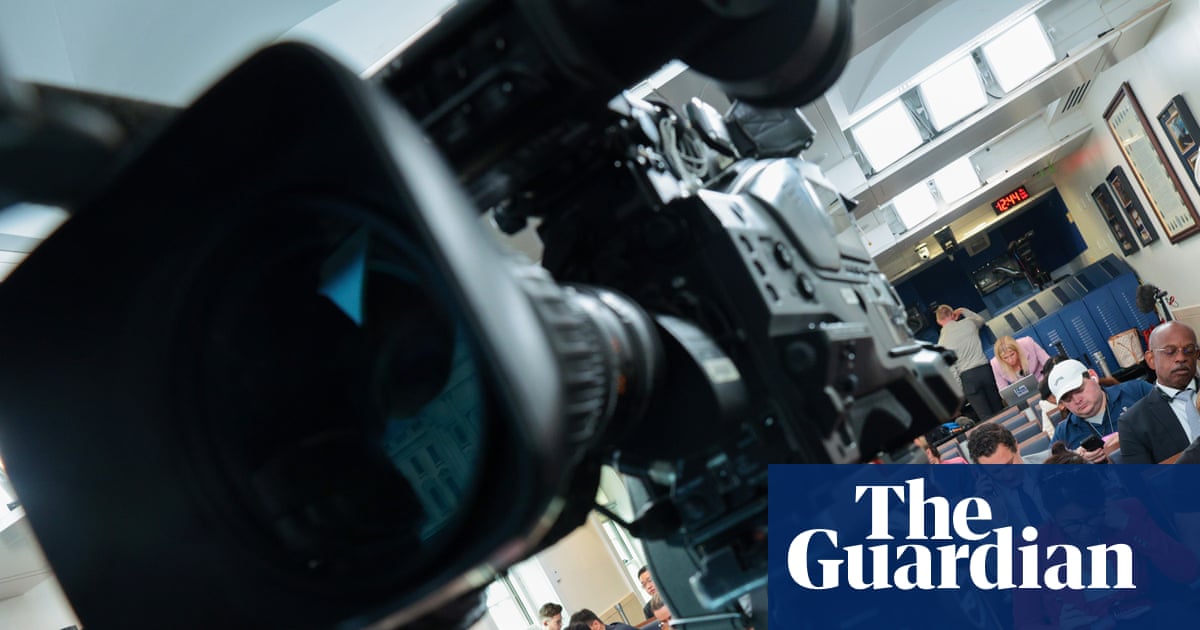
The primary White House television pool has resumed its operations, marking the end of an unusual standoff between major American news networks and the Trump administration. This development follows a federal court decision that temporarily overturned the executive branch's ban on CNN, MSNBC, and Politico. The resumption of filming restores the standard flow of visual coverage for presidential activities, which had been effectively halted earlier in the week.
The disruption began when the White House barred these specific outlets from its premises, citing what President Trump described as their persistent dissemination of false information. In response, the television pool consortium, which includes ABC, CBS, NBC, and Fox News, ceased recording and transmitting footage. This collective action was taken in solidarity with the excluded organizations, resulting in a rare absence of high-quality video coverage from leading networks.
The impact of this media blackout was most visible during significant diplomatic engagements. Notably, there was no pool footage available for President Trump's summit with Chinese President Xi Jinping. Although ABC was scheduled to serve as the designated pooler for that day, the network withheld its cameras until it received confirmation that CNN would be permitted back into the facility. This decision left a major international event without the typical visual documentation provided by the five major networks.
Tensions surrounding access remained volatile even after the legal intervention. On Thursday evening, journalists from CNN and MSNBC were prevented from attending a White House state dinner honoring President Xi. This denial occurred despite a federal judge granting a request earlier that day to restore access for the banned outlets for a two-week period while their legal case proceeds. The incident highlighted the friction between judicial orders and administrative enforcement on the ground.
Despite these initial hurdles, the television pool moved forward with its scheduled duties by Friday. A producer for CBS News confirmed via an internal note that the network would fulfill its role as the TV pooler. The plan involved deploying a full crew to cover President Trump and President Xi as they arrived at the South Portico for tea and subsequently toured the National Archives. This marked a return to normal operational procedures for the consortium.
Pamela Brown, an anchor for CNN, addressed viewers on Friday morning to confirm that her network's access had been reinstated. She noted that the television pool appeared to be functioning as usual, signaling a de-escalation of the immediate crisis. This statement provided clarity to audiences who had experienced gaps in coverage during the preceding days.
The episode underscores the long-standing role of the five major networks in sharing the costs and responsibilities of providing presidential footage. For decades, this arrangement has ensured that news outlets worldwide have access to consistent video material from the White House. The recent disruption tested this cooperative model, as pool subscribers received a memo from Fox News Washington bureau chief Bryan Boughton stating that operations would cease due to CNN's exclusion.
Boughton, who serves as the chair of the TV pool, wrote in his memo that no replacement pool would be established during the boycott. This stance emphasized the networks' commitment to collective bargaining power regarding press access. The resolution of this standoff, at least temporarily, restores the status quo but leaves underlying tensions between the administration and the press unresolved.
The temporary nature of the court's order means that the legal battle over media access is ongoing. While the immediate blackout has ended, the precedent set by the administration's attempt to exclude specific outlets remains a point of contention. The coming weeks will likely see continued scrutiny of how the White House manages press relations and complies with judicial directives regarding freedom of the press.
As coverage resumes, the incident serves as a reminder of the fragile balance between government transparency and media independence. The solidarity shown by major networks in halting their own operations demonstrated a unified front against perceived censorship. However, the practical challenges of maintaining such a boycott during critical diplomatic events also revealed the complexities of modern news gathering.
Sources behind this briefing
Go to the original reporting
- The Guardian US Politics↗White House television pool resumes after banned news outlets regain access