The short version
- Senator Jon Ossoff’s critique of President Trump’s engagement with his duties sparked intense personal retaliation from the White House communications director and the president himself.
- An official White House social media account faced widespread criticism for attacking a CNN reporter by invoking her children, marking a new low in institutional decorum.
- Analysts suggest the aggressive posture may stem from internal jostling for power following the departure of Press Secretary Karoline Leavitt and anxiety over predicted midterm losses.
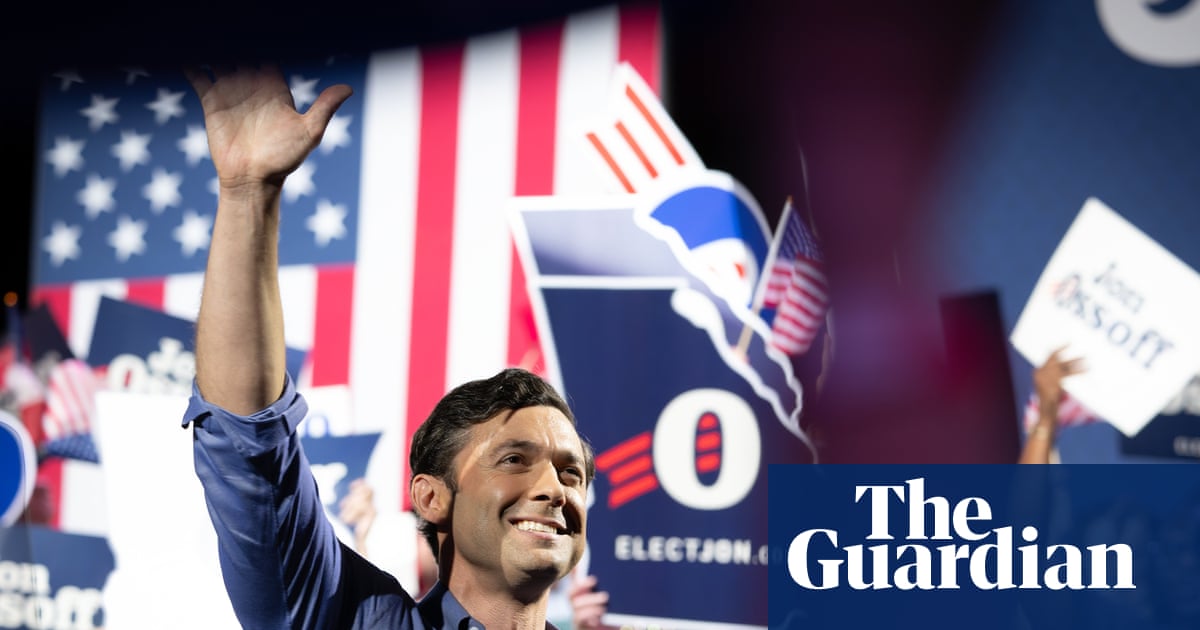
The tone of political discourse surrounding the White House has shifted noticeably toward personal vitriol as the midterm elections approach. This escalation became particularly evident following a rally in Georgia, where Senator Jon Ossoff, who is seeking re-election this November, delivered remarks that sharply criticized President Donald Trump’s daily conduct. Ossoff suggested that while military personnel on the USS Abraham Lincoln were engaged in conflict, the president was disengaged from his responsibilities, choosing instead to sleep through meetings, play golf, and trade stocks.
Ossoff’s comments also drew attention to the president’s personal life, specifically referencing Natalie Harp, a thirty-five-year-old aide who frequently accompanies Trump. The senator described their travel arrangements as occurring on a flying palace gifted by the Emir of Qatar, implying a lack of defense preparedness and an excess of luxury. These remarks struck a nerve within the administration, triggering a rapid and aggressive response from senior officials who appeared determined to discredit the Georgia senator rather than address the substance of his claims.
Steven Cheung, the director of communications for the White House, responded on social media with a string of personal insults. He misspelled Ossoff’s name and labeled him a loser and a radical extremist, urging the senator to examine his own character rather than criticize hardworking public servants. The intensity of Cheung’s reaction seemed disproportionate to the political context, leading observers to note that such outbursts have become commonplace in Trump’s orbit but have recently reached new depths of hostility.
President Trump joined the fray shortly after, employing ageist and dismissive language against Ossoff. He compared the senator to Pee-Wee Herman, a character from television and film whose popularity peaked decades ago, and at other times referred to him as Pinky Herman, a nonsensical variation. These nicknames served to trivialize Ossoff’s political standing and avoid engaging with his criticisms of the administration’s handling of foreign policy and domestic economic issues.
The aggression extended beyond political opponents to include members of the press. An anonymous White House Rapid Response account, which boasts over two million followers, targeted a CNN reporter who had asked Trump about Ossoff’s comments. The account branded the journalist a disgrace to her profession and made disturbing remarks suggesting that her children would be embarrassed by her line of questioning. This invocation of family members in a professional critique prompted widespread condemnation from media watchdogs and political observers alike.
This pattern of behavior is not isolated to the Ossoff incident. Similar tactics have been employed against other Democratic candidates, such as James Talarico in Texas, who has faced derogatory labels from Trump and other Republican figures. The administration appears particularly sensitive to challenges that puncture the narrative of presidential competence and popularity. When critics highlight the president’s age, distraction, or the ill-defined nature of ongoing military engagements, the response tends to be vulgar and personal rather than substantive.
Internal dynamics within the White House may also be driving this heightened rhetoric. With Press Secretary Karoline Leavitt stepping down, there is reportedly jostling among potential successors to fill the role. This competition could explain the increasingly pugnacious language, as aides seek to demonstrate their loyalty and toughness to the president. The desire to appear more aggressive than rivals may be fueling the escalation in attacks on both opponents and the media.
As Democrats prepare to run on Trump’s unpopularity in the upcoming November elections, the White House is likely to continue its strategy of bellicose responses. The administration seems intent on maintaining an alternate reality where the Republican Party is poised for success and the president remains spry and capable. However, the growing hostility suggests a deep insecurity about the administration’s standing with voters, leading to a cycle of provocation and retaliation that shows no signs of abating.
Sources behind this briefing
Go to the original reporting
- The Guardian US Politics↗White House intensifies attacks on opponents and media as Trump seeks new mouthpiece