The short version
- The National Transportation Safety Board attributes a recent close call between Marine One and a commercial jet to communication breakdowns caused by helipad relocation.
- Construction projects, including a new ballroom and helipad, forced the move of presidential flights from the South Lawn to the Ellipse, disrupting established radio protocols.
- Although officials claim fixes have been implemented, reports indicate brief communication losses persisted shortly after the incident was addressed.
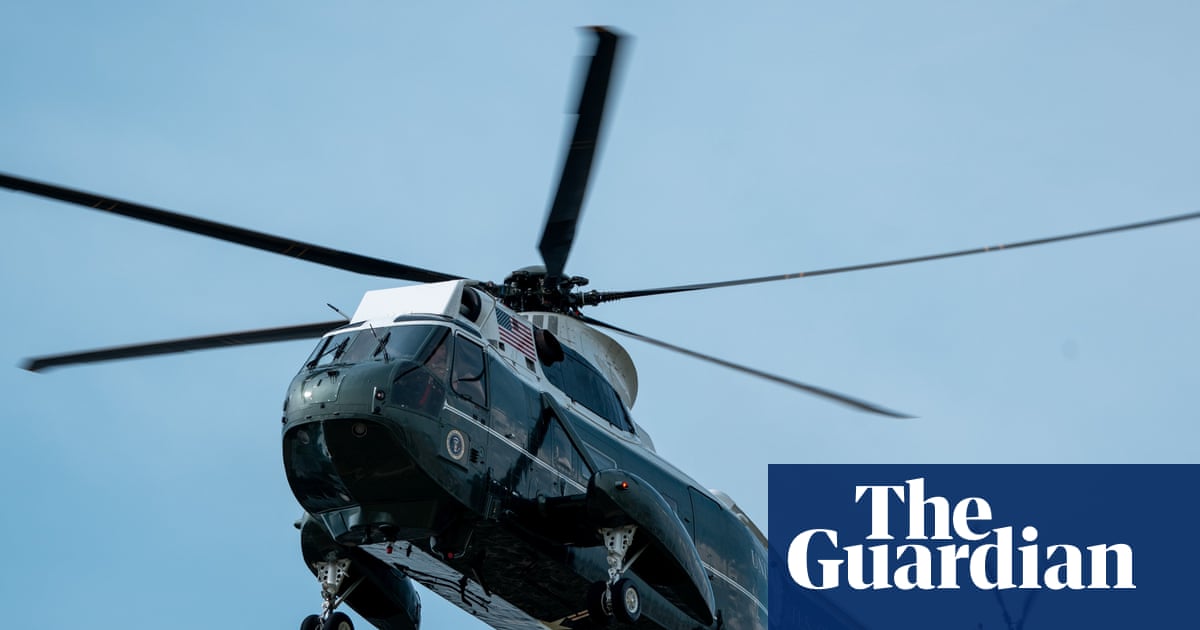
A preliminary report released by the National Transportation Safety Board identifies communication failures as a primary factor in an incident earlier this month where Marine One came dangerously close to a commercial passenger jet. The investigation highlights how ongoing construction at the White House complex disrupted standard aviation procedures, leading to a failure in providing mandatory takeoff notifications to air traffic controllers.
The incident occurred on August 4, when the presidential helicopter departed from the Ellipse, a park south of the White House, rather than its traditional location on the South Lawn. This relocation was necessitated by extensive renovation work, including plans for a new ballroom and a redesigned helipad. Because the crew did not issue the required three-minute warning before liftoff, commercial flights departing from nearby Ronald Reagan Washington National Airport were not grounded as protocol dictates.
Consequently, an Embraer E170 jet operated by an American Airlines subsidiary took off for Florida just one minute after Marine One lifted off. The NTSB determined that the two aircraft experienced a loss of separation, coming within 0.82 nautical miles laterally and 700 feet vertically. Federal Aviation Administration regulations typically require a horizontal separation of at least 1.5 miles and a vertical separation of 500 feet around airports to ensure safety.
The report details that the Marine One crew attempted to radio controllers multiple times to provide the necessary notice but were unable to establish contact. The crew had previously expressed concerns about spotty communications following the move, leading to a meeting with air traffic control staff on July 30. During that discussion, both parties agreed to utilize alternative communication methods if primary channels failed.
Despite these precautions, the backup systems also failed during the August 4 flight. The helicopter crew could not reach controllers via a facility at Joint Base Anacostia-Bolling in southwest Washington, D.C. As a result, Marine One departed while Reagan National traffic was still active. The commercial jet was subsequently rerouted as a precautionary measure, though the FAA stated at the time that the aircraft were not converging and the situation did not appear immediately dangerous.
Bryan Bedford, head of the Federal Aviation Administration, announced that the agency had relocated an antenna and adjusted procedures in response to the incident. The NTSB noted that subsequent checks indicated no further communication issues following these adjustments. However, the Associated Press reported on Friday that air traffic controllers briefly lost contact with Marine One again as President Trump traveled to Texas, although communication was quickly restored and no safety breach occurred.
This episode underscores the complexities introduced by the White House reconstruction projects. The move from the South Lawn to the Ellipse was part of a broader effort to accommodate new infrastructure, including a helipad designed for larger Marine One helicopters. Reports indicate that the construction of this new pad has faced additional scrutiny, with President Trump expressing dissatisfaction regarding its appearance and slope, leading to further modifications.
The incident follows a period of heightened sensitivity regarding aviation safety in the nation’s capital. Proximity rules were tightened after a fatal collision between a commercial airliner and an Army Black Hawk helicopter in January 2025, which resulted in 67 deaths. The NTSB findings suggest that while physical infrastructure changes are underway, the integration of new communication protocols remains a critical challenge for ensuring the safety of presidential flights.
As the White House renovations continue, aviation authorities face the task of balancing construction progress with rigorous safety standards. The preliminary report serves as a warning that procedural adjustments must keep pace with physical changes to prevent similar near-misses. Ongoing monitoring and potential further regulatory updates may be necessary to address the persistent communication gaps identified in the investigation.
The situation highlights the broader implications of large-scale government infrastructure projects on operational continuity. While the immediate safety concerns have been addressed through technical fixes, the incident raises questions about the thoroughness of risk assessments during major renovations. Stakeholders remain focused on ensuring that future operations maintain the highest levels of coordination and safety.
Sources behind this briefing
Go to the original reporting
- The Guardian US↗White House construction played part in Trump helicopter incident, safety officials say

