The short version
- Western Australian police completed a five-month trial using real-time facial recognition on surveillance vans, scanning over 1.38 million faces across 43 locations.
- Authorities report 122 arrests and nine false alerts, claiming an error rate of less than one-tenth of one percent, though critics argue this metric is misleading.
- Civil liberties advocates contend that the true accuracy can only be determined by conviction rates and warn that mass scanning without reasonable suspicion infringes on privacy rights.
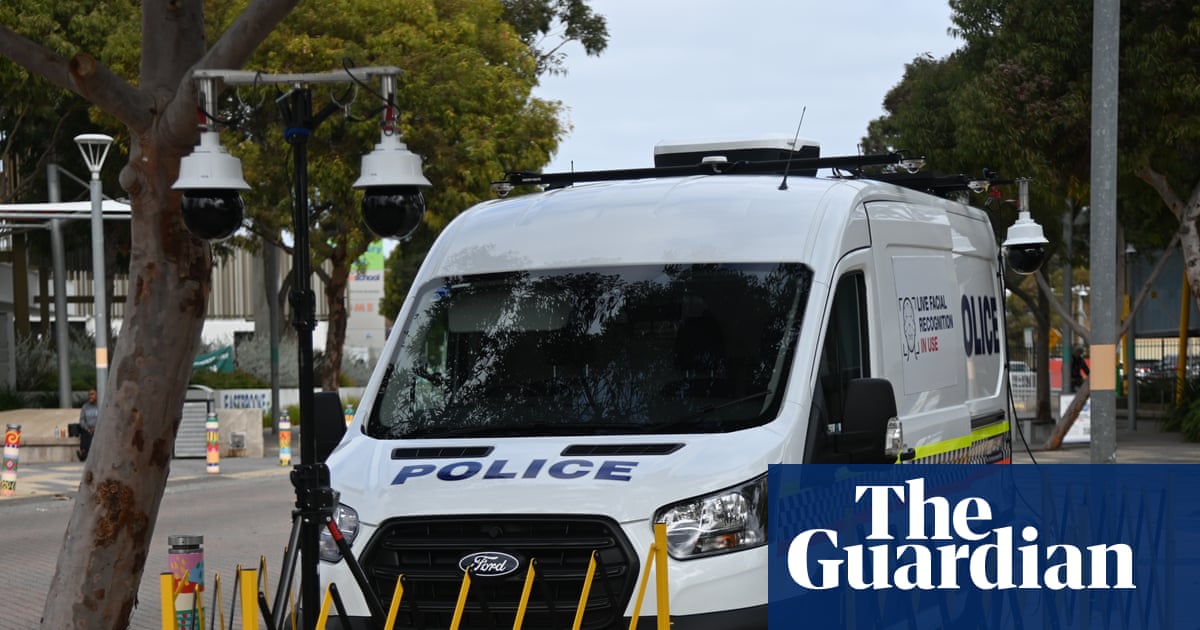
Western Australian police have concluded a five-month experimental deployment of real-time facial recognition technology, marking one of the most extensive trials of its kind in the region. The initiative involved mounting cameras on marked police vehicles to scan faces in public areas, matching them against existing law enforcement databases. According to official figures released by the state police force, the system processed more than 1.38 million facial scans during 100 separate operations across both metropolitan and regional zones.
The trial concluded with significant operational outcomes as reported by authorities. Police stated that the technology facilitated 122 arrests and enabled officers to engage with 146 individuals registered as sex offenders. Additionally, the system assisted in locating ten people for welfare checks. A substantial portion of the scanning activity occurred at the Perth Royal Show, where three separate operations resulted in nearly 224,000 scans, yielding fifteen alerts, three arrests, and seven interactions with registered offenders.
Law enforcement officials emphasized the precision of the technology, highlighting a very low incidence of false positives. A police spokesperson noted that out of the total scans, only nine incorrect alerts were generated. This figure translates to an error rate of approximately 0.00065 percent. Commissioner Col Blanch addressed these discrepancies during a media briefing, asserting that while the number is not zero, it remains exceptionally low. He clarified that officers treated each alert with the same procedural caution they would apply if a member of the public raised suspicions about a suspect.
Despite the official stance on accuracy, civil liberties organizations have strongly criticized the methodology used to evaluate the trial's success. Bill Rowlings, chief executive of Civil Liberties Australia, argued that the police calculation of error rates is misleading. He suggested that the true measure of incorrect alerts should be based on how many of the 122 arrests resulted in actual convictions. If a significant portion of those arrested were not convicted, Rowlings noted, the effective error rate could be substantially higher than the technical false-match rate implies.
Privacy concerns have been a central point of contention throughout the trial. The Office of the Information Commissioner WA, the state’s independent privacy watchdog, stated it was not involved in implementing the trial and warned of potential collective privacy harms. Critics argue that conducting mass facial scans without reasonable suspicion for each individual violates fundamental privacy norms. The technology allows for the identification of people who may not have engaged in any suspicious behavior, raising questions about the balance between public safety and individual rights.
Experts also raised alarms regarding algorithmic bias and its disproportionate impact on marginalized communities. Facial recognition systems have historically demonstrated higher false-match rates for individuals with darker skin tones. Given that certain demographic groups are already overrepresented on police watchlists, there is a risk that the technology could exacerbate existing inequalities in law enforcement practices. These concerns were present even before the trial began, contributing to public backlash and scrutiny of the program's ethical implications.
Under the guidelines established for the trial, images of individuals who did not match any entries on the alert list were pixelated in real time and deleted immediately. Police maintained that no data was stored for non-matches, aiming to minimize privacy intrusions for the general public. Commissioner Blanch stated that the goal was to use modern technology responsibly to identify risks while allowing the majority of people to go about their daily lives without interference. However, the scale of the scanning operation has left many questioning whether such broad surveillance is necessary or justified.
Following the conclusion of the trial, the surveillance vans have been removed from public deployment. The police force is now conducting an internal evaluation to assess how the technology performed in real-world conditions and its impact on the community. This review will include an examination of whether all procedural safeguards were met and if the requirements for responsible use were fulfilled. The findings from this assessment will likely influence future decisions regarding the adoption or expansion of facial recognition technology in Western Australia.
The debate over facial recognition surveillance continues to evolve as authorities weigh operational benefits against civil liberties concerns. While police argue that the technology enhances public safety with minimal error, advocates insist that broader implications for privacy and equity must be addressed. The outcome of the internal review and subsequent legal proceedings involving those arrested will provide further insight into the effectiveness and fairness of such systems. As other regions consider similar technologies, the Western Australian trial serves as a critical case study in the complexities of modern policing.
Sources behind this briefing
Go to the original reporting
- The Guardian World↗Police use facial recognition to scan one million faces in WA trial leading to 122 arrests


