The short version
- Participants perform manual labor on local waterways as part of a community payback scheme designed to alleviate prison overcrowding.
- New legislation creates a presumption for suspending short custodial sentences, potentially increasing the use of such rehabilitative measures.
- Supervisors and some participants report positive outcomes regarding mental health and behavioral structure, though the work remains physically demanding.
A pilot initiative in the West Midlands is testing a model where convicted offenders perform manual labor on local infrastructure instead of serving time behind bars. The program, situated around Smethwick, focuses on improving waterways and green spaces through tasks such as clearing vegetation and removing debris from canals. This effort represents a small fraction of the broader community payback scheme, which accumulated an estimated five million hours across England and Wales in the previous year. The project emerges against a backdrop of intense debate regarding prison overcrowding and the efficacy of early release policies.
The legal framework supporting this approach has recently shifted with the Sentencing Act, which received royal assent in January. This legislation introduces a presumption that courts should suspend short custodial sentences of twelve months or less. Consequently, more offenders are expected to carry out community-based punishments rather than entering the prison system. Courts can order between forty and three hundred hours of such work, which must be completed within a specific timeframe. For unemployed participants, this may involve up to twenty-eight hours per week, while those with jobs have schedules arranged around their employment.
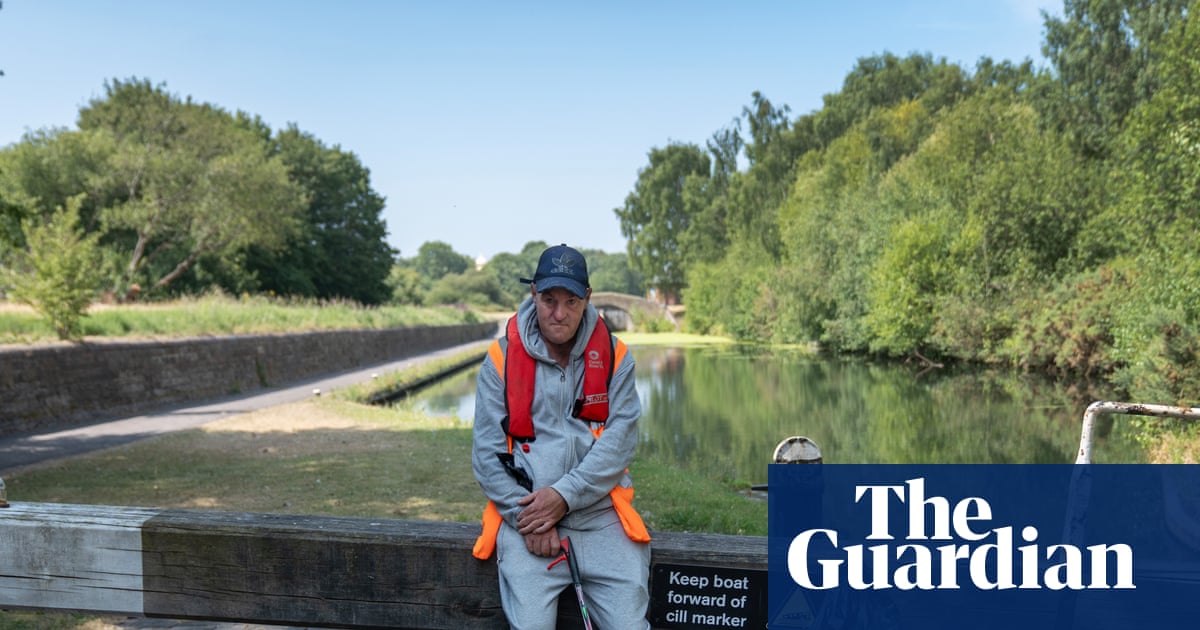
On a recent visit to the Smethwick site, participants arrived in high temperatures to begin a day of strimming and clearing refuse from towpaths and the canal itself. The work involved using nets to trawl for rubbish and duckweed, as well as collecting discarded items like plastic bags and bottles. One participant, Steve Warmer, a fifty-four-year-old factory worker from Dudley, was assigned black rubbish bags and a picker tool. He had been convicted of an offense carrying a potential fine, driving ban, or up to six months in prison. At the time of the visit, he had completed one hundred twenty-six of his two hundred fifty required hours.
Warmer described the experience as enjoyable, noting that it provided him with knowledge about life and other people. He mentioned that he and his wife now engage in litter picking on their own street, suggesting a shift in personal behavior beyond the mandatory requirements. However, not all participants shared this positive outlook. The physical demands of the work were significant, particularly in the heat, requiring frequent water breaks as temperatures rose throughout the afternoon. Warmer also noted that he was the last surviving member of his friend group, adding a layer of personal context to his participation.
The supervision of these projects is handled by individuals who often bring diverse professional backgrounds to the role. Mo Ghatnoor, the supervisor on site during the visit, previously spent ten years as a corporate banker. His responsibilities now include driving the van that transports offenders and equipment to the work sites. Ghatnoor described the transition from helping businesses with profit to making a tangible difference in his community as significantly more fulfilling. He emphasized that the work benefits both his own mental health and that of the participants and the wider community.
Community payback, formerly known as community sentences, covers a wide range of adult offending and can be included as part of suspended sentences. Other forms of this punishment include removing graffiti, decorating public buildings such as community centers, and planting trees. Any individual can nominate a project for the scheme, provided it benefits the local community, does not displace paid work, and generates no profit for anyone involved. The aim is to combine punishment with rehabilitation, offering structure to individuals who might otherwise lack it.
Critics sometimes view community payback as a soft sentencing option, but proponents argue it breaks negative cycles and changes mindsets. Ghatnoor suggested that the structure provided by the work helps reduce reoffending rates. Statistics from July to September 2024 indicate that adults released from custody with sentences of less than twelve months had a reoffending rate of sixty-eight point two percent, compared to twenty-two point nine percent for those with sentences of twelve months or more. This data highlights the challenges associated with short prison terms and supports the argument for alternative interventions.
The initiative is not suitable for every offender, but it offers a viable path for those convicted of crimes such as burglary, shoplifting, and assault. As the debate over prison overcrowding continues, programs like the one in Smethwick provide a practical test case for balancing public safety with rehabilitation. The success of these efforts will depend on consistent enforcement, participant compliance, and the ability to maintain meaningful work opportunities that genuinely benefit local communities. Failure to comply without reasonable excuse can result in enforcement action and a return to court, ensuring that the alternative remains a serious consequence.
Looking ahead, the implementation of the Sentencing Act will likely increase the number of offenders participating in such schemes. The effectiveness of this approach will be measured not only by reductions in prison populations but also by long-term changes in participant behavior and community safety. While early signs from supervisors and some participants are positive, the physical and psychological demands of the work remain significant factors. The program serves as a microcosm of broader efforts to reform the justice system by focusing on restoration and rehabilitation rather than purely punitive measures.
Sources behind this briefing
Go to the original reporting
- The Guardian World↗Meet the offenders cleaning canals in the West Midlands as an alternative to prison

