The short version
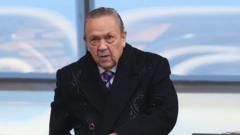
- David Sullivan is expected to attend West Ham’s match against Portsmouth despite London Stadium officials advising him to stay away to prevent potential fan disturbances.
- The club faces significant uncertainty regarding its ownership structure, with competing interests from Vanessa Gold, Amanda Staveley, and Daniel Kretinsky complicating the shareholding landscape.
- Sullivan resigned as co-chair in June following allegations of predatory behavior, though he maintains his innocence and retains a substantial stake in the football club.
West Ham United is preparing for its first competitive match since serious allegations were made against major shareholder David Sullivan, with reports indicating that Sullivan intends to attend the game despite explicit advice from stadium management to remain absent. The fixture, a Carabao Cup first-round tie against Portsmouth scheduled for Saturday afternoon, carries heightened significance not only as a sporting event but also as a potential flashpoint for fan reaction. London Stadium officials have formally recommended that Sullivan does not attend home matches at this time, citing concerns about public order and the safety of attendees. This recommendation comes in the wake of a joint investigation by BBC Panorama and The Times, which detailed accusations from seven women regarding sexually exploitative conduct.
The stadium operator has requested advance notification of any planned visits by Sullivan, who holds a 38.8 percent stake in the club, to allow for the implementation of additional security and operational protocols. This measure reflects the tension between respecting the rights of a major shareholder and maintaining a safe environment for supporters. Sullivan, aged 77, stepped down from his role as co-chairman in June following the publication of the investigative report. While he has denied the allegations, describing them as false, the fallout has led to significant changes in his relationship with the club’s operations. Notably, it was revealed that Sullivan had been barred from contact with the women’s and youth teams for three years due to safeguarding issues, a restriction unknown to stadium management until the recent media exposure.
The atmosphere surrounding the match is charged with historical context and recent turmoil. West Ham fans have long expressed dissatisfaction with Sullivan’s stewardship of the club, particularly after the team was relegated to the Championship last season, marking their first drop from the top flight since 2011. Although on-field stability has been somewhat restored through the commitment of manager Nuno Espirito Santo and captain Jarrod Bowen to remain with the club, off-field governance remains in a state of flux. The upcoming game is expected to draw a large crowd, with projections suggesting it could set an attendance record for an EFL Cup first-round tie, bolstered by the sale of 55,000 season tickets for the new campaign.
Compounding the immediate concerns about fan unrest are complex and unresolved questions regarding the club’s ownership structure. Vanessa Gold, daughter of Sullivan’s late business partner David Gold, recently withdrew from an agreement to sell part of her stake to Czech billionaire Daniel Kretinsky. Instead, she reached a deal with Amanda Staveley, associated with the Saudi-backed takeover of Newcastle United, to sell her entire 25.1 percent shareholding. However, developments in the share market have introduced new variables. Kretinsky has since reduced his own stake to below the 25 percent threshold, a move that may allow him to exercise pre-emption rights to purchase Gold’s shares.
Under West Ham’s current rules, existing shareholders are given first refusal when shares become available. If Kretinsky acquires Gold’s portion, he would emerge as the club’s largest shareholder without triggering a mandatory full takeover clause. This scenario presents a significant shift in control dynamics, potentially altering the balance of power between Sullivan and other major investors. The interplay between these financial maneuvers and the social unrest anticipated at the stadium creates a precarious environment for the club’s leadership. As the match approaches, all eyes will be on how West Ham manages the dual pressures of sporting performance and corporate governance.
The situation underscores the broader challenges facing modern football clubs where ownership disputes can spill over into supporter relations. Sullivan’s continued presence as a major shareholder, despite his resignation from executive roles, ensures that his influence remains palpable. The decision by stadium officials to seek advance notice of his attendance highlights the unprecedented nature of the current crisis. It is a rare instance where safety protocols are being adjusted specifically for a single individual due to the intensity of public sentiment. For West Ham, navigating this period requires careful management of both the pitch and the boardroom.
As the club looks toward the future, the outcome of these ownership negotiations could define its trajectory for years to come. The potential consolidation of shares under Kretinsky or Staveley would mark a definitive end to the era defined by Sullivan and Gold’s partnership. Until then, West Ham operates in a limbo where every matchday carries additional weight beyond the ninety minutes of play. The upcoming tie against Portsmouth serves as a litmus test for how well the club can maintain order and focus amidst such significant external pressures. Stakeholders across the organization must remain vigilant as they prepare for what promises to be a volatile and closely watched event.
Sources behind this briefing
Go to the original reporting
- BBC News↗David Sullivan set to attend West Ham tie against advice

