The short version
- Arsene Wenger stated that abandoning the private investment proposal was necessary to maintain transparency and integrity within world football.
- The plan, which offered member associations significant financial incentives, faced intense opposition including boycott threats from European nations.
- Internal Fifa leadership expressed dismay over the turmoil, while one senior adviser resigned citing concerns about mortgaging the sport's future.
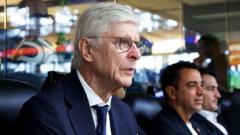
Arsene Wenger has publicly affirmed that the decision to discard Fifa’s proposal for private investment in its competitions was correct and unavoidable. The former Arsenal manager, who serves as Fifa’s chief of global football development, emphasized that the withdrawal of the plan was essential for preserving the independence and integrity of the world governing body. His statement comes after a period of intense scrutiny and backlash surrounding the initiative, which had sought to introduce external capital into the organization’s core events.
The controversial strategy, originally championed by Fifa president Gianni Infantino, involved establishing a commercial subsidiary to manage major tournaments such as the World Cup. Under this structure, outside investors would have been permitted to purchase stakes in these high-profile competitions. To secure approval from the membership, Infantino offered each of the 211 national associations a payment of $40 million, aiming to incentivize support for the structural change. However, the proposal quickly encountered fierce resistance from various quarters of the football community.
Wenger clarified that he had no involvement in the development of the strategic plan and only learned of its specifics through media coverage. In a statement released through Fifa channels, he demanded clarity regarding recent events and stressed his belief in an independent organization committed to serving the game with transparency. His public distancing from the initiative marks a significant moment, given his long-standing role within the administration since 2019, which includes oversight of data analysis, online training programs, and youth competitions.
The opposition to the investment scheme was swift and severe. The Union of European Football Associations, representing 55 nations, threatened to boycott all Fifa tournaments if the plan proceeded. This potential withdrawal of European participation posed a substantial risk to the financial and competitive viability of global football events. The pressure mounted rapidly, forcing Infantino to retract the proposal after only days of criticism. The speed of the reversal highlighted the fragility of the governing body’s position when facing unified resistance from major continental unions.
Internal reactions within Fifa have been mixed but largely critical of the handling of the situation. Mattias Grafstrom, the secretary general and a close ally of Infantino, described the recent week as difficult to comprehend and accept in an internal memo to staff. He characterized the episode as a sad and reproachable series of events that was fortunately concluded with the permanent abandonment of the project. Despite his criticism of the turmoil, Grafstrom urged employees to remain focused on their mission and assured them that the institution would continue to serve football and its member associations.
Grafstrom’s memo sought to stabilize the administration amidst the political context, emphasizing professionalism and composure. He noted that while individuals and unstable moments come and go, the institution’s responsibility toward world football remains constant. As a key figure who became chief of staff after Infantino’s election in 2016 and was elevated to secretary general in 2024, his public expression of dismay signals significant internal discomfort with the direction taken by the presidency during this episode.
The fallout has also resulted in personnel changes. Carlos Cordeiro, Infantino’s senior adviser on global strategy and governance, became the only Fifa official to resign over the scandal. Cordeiro described the proposal as a bad deal for football that would mortgage the sport’s future. His departure underscores the depth of concern among some insiders regarding the long-term implications of introducing private equity into the governance structure of international tournaments.
Wenger is among 18 Fifa officials named in a document preservation letter sent by Uefa, which threatened legal action against the organization. This legal maneuvering adds another layer of complexity to the ongoing crisis, suggesting that the dispute may extend beyond immediate policy reversals into broader questions of accountability and governance. The combination of external threats, internal resignations, and public statements from high-profile figures like Wenger indicates a significant challenge to Fifa’s authority and operational stability.
As the dust settles on this particular controversy, the focus shifts to how Fifa will rebuild trust with its member associations and stakeholders. The episode has exposed vulnerabilities in the decision-making processes at the highest levels of the organization. While the immediate threat of private investment has been removed, the underlying tensions regarding transparency, financial independence, and governance remain unresolved. The coming months will likely see continued scrutiny as the football world assesses whether substantive reforms are necessary to prevent similar crises in the future.
The incident serves as a reminder of the delicate balance Fifa must maintain between commercial interests and the traditional values of the sport. With major tournaments generating billions in revenue, the temptation to seek external capital is understandable, but the backlash demonstrates that the football community remains sensitive to changes that could compromise its autonomy. The path forward requires careful navigation to ensure that future initiatives align with the expectations of players, fans, and national associations alike.
Sources behind this briefing
Go to the original reporting
- BBC News↗Fifa private money plan had to be scrapped - Wenger

