The short version
- A female wasp spider was discovered in Cheshire, marking the first confirmed sighting of the species in the region.
- Experts attribute the northward expansion to climate change, describing the arachnid as a climate refugee seeking cooler habitats.
- The ecological impact on native species remains uncertain, though conservationists warn of potential threats from invasive organisms.
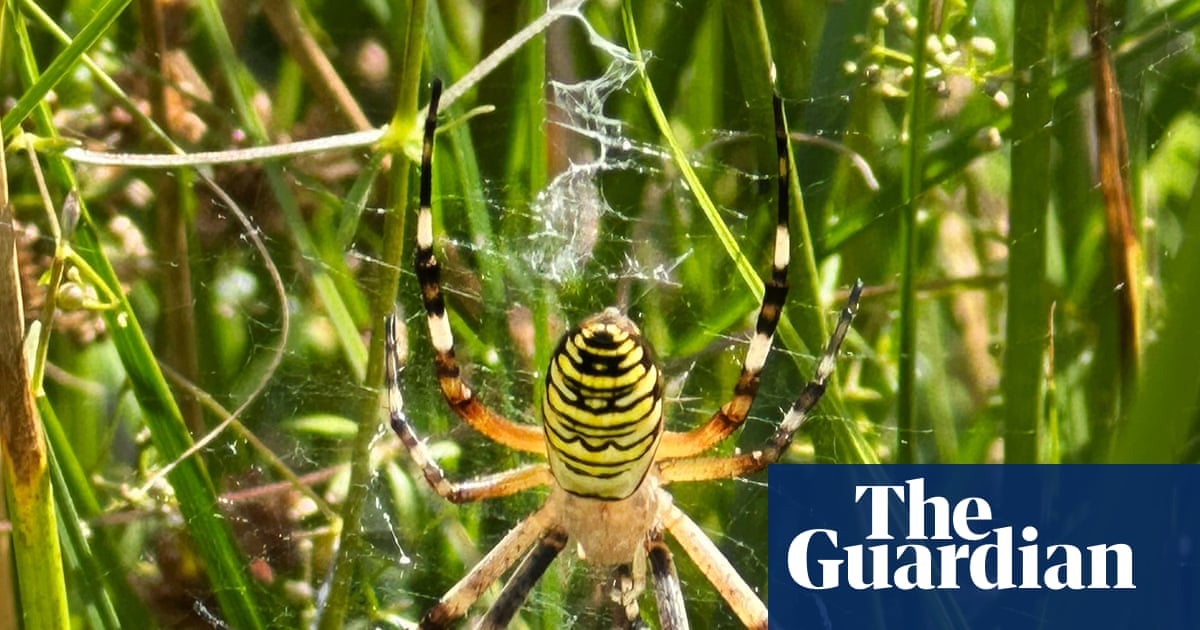
Conservationists working at Chester Zoo have identified a fully grown female wasp spider in Cheshire, marking the first time this species has been recorded in the county. The discovery occurred during a routine biodiversity survey on an eighty-hectare estate designated for nature restoration. An expert from the British Arachnological Society verified the identification, confirming that the arachnid represents a new presence in this northern part of England.
The wasp spider, scientifically known as Argiope bruennichi, is native to mainland Europe, North Africa, and Asia. It is characterized by its distinctive black and yellow striping, which mimics the appearance of a wasp to deter predators. Females can grow to approximately two centimeters in body length, making them among the largest spiders found in the United Kingdom. The individual found in Cheshire was noted for its size and vibrant coloration, standing out clearly against the vegetation of the rewilded field where it was located.
This sighting is part of a broader pattern of range expansion observed in recent weeks. Reports indicate that the species has also been moving westward into counties such as Worcestershire, Herefordshire, and Warwickshire. Historically, sightings north of the Midlands have been rare, with only a handful recorded since the species was first documented in the UK in the 1920s. The current spread suggests a significant shift in the geographical distribution of this arachnid.
Conservationists describe the wasp spider as a climate refugee, driven northward by rising temperatures in its traditional southern habitats. As regions in Europe warm too quickly for the species to adapt, individuals are migrating to cooler areas. This phenomenon reflects a larger trend where wildlife is forced to alter its range in response to human-induced climate change. The term climate refugee is used to highlight the direct link between environmental shifts and animal migration patterns.
The ecological implications of this expansion remain unclear. While the wasp spider is not considered dangerous to humans, its venom can be harmful to small insects. Its bite is generally compared to a nettle sting for people, posing little risk unless the spider is harassed. However, the introduction of new species into established ecosystems can disrupt local food webs and compete with native organisms. The specific impact on Cheshire’s biodiversity has not yet been determined.
The Chester Zoo estate where the spider was found supports a diverse array of wildlife, including great crested newts, badgers, harvest mice, barn owls, and various dragonfly, moth, and butterfly species. The area features wet meadows, grasslands, woodlands, and orchards, providing a complex habitat for these animals. The presence of the wasp spider adds another layer to this ecological mix, raising questions about how existing species will interact with this newcomer.
Experts express concern that this trend could facilitate the spread of other invasive non-native species, such as Asian hornets, into northern regions of the UK. The fragmented nature of the British landscape poses additional challenges for native species that may be unable to migrate or adapt to changing conditions. Heathlands and other specialized habitats could become unsuitable if temperatures rise beyond the tolerance levels of resident wildlife.
The discovery underscores the urgent need to monitor biodiversity changes as the climate continues to warm. While finding a new species can generate excitement among conservationists, the broader context of ecological disruption is troubling. The movement of species like the wasp spider serves as an indicator of larger environmental shifts that threaten native wildlife across the country. Future research will be necessary to understand the long-term effects of these migrations on local ecosystems.
Spiderlings are known to travel long distances by ballooning on silken strands carried by the wind, which may explain how the species has reached Cheshire. This dispersal method allows for rapid expansion into new territories. The individual found in Cheshire, nicknamed Wendy by zoo staff, exemplifies how climate change is reshaping the distribution of wildlife in the UK. As temperatures continue to rise, similar migrations are likely to become more common.
The situation highlights the complex challenges faced by conservation organizations in managing changing ecosystems. While some species may benefit from warmer conditions, others face extinction risks due to habitat loss or inability to adapt. The wasp spider’s arrival in Cheshire is a tangible example of these dynamics at play. Monitoring such changes will be crucial for developing effective strategies to protect biodiversity in the face of ongoing climate change.
Sources behind this briefing
Go to the original reporting
- The Guardian World↗Wasp spider seen in north of England latest ‘climate refugee’ amid global heating

