The short version
- The US government submitted a formal objection to Australia’s digital duty of care laws, citing concerns over viewpoint-based censorship.
- Washington argues that mandatory algorithmic opt-outs and content filtering could lead to systemic changes affecting American users globally.
- Prime Minister Albanese maintains that the regulations serve Australia’s national interest despite diplomatic pressure from the United States.
The Trump administration has issued a formal warning to the Australian government regarding its proposed digital duty of care legislation, characterizing the measures as potential mechanisms for viewpoint-based censorship. In a submission to the Albanese government’s public consultation process, US officials expressed serious concerns that forcing technology firms to allow users to opt out of algorithmic feeds would infringe upon protected speech rights. The intervention marks a significant escalation in Washington’s opposition to what it describes as extraterritorial regulation of American online expression.
The core of the dispute centers on the Australian government’s plan to empower its communications minister with the legal authority to declare foreseeable harm from digital content. US diplomats argue that vague definitions of harm risk incentivizing platforms to over-moderate speech to avoid regulatory penalties. According to the submission published by the US embassy in Canberra, if platforms are compelled to aggressively filter content in algorithmic feeds to satisfy government mandates, the resulting reduction in reach for disfavored speakers would be functionally equivalent to outright removal.
Washington contends that such filtering draws in protected speech and facilitates censorship under the guise of safety. The White House has previously warned against measures that impose unfair restrictions on American companies, but this public submission represents a more direct challenge to Canberra’s regulatory ambitions. The US government specifically requested that Australia withdraw plans to mandate algorithmic suppression of content based on ambiguous safety criteria defined by the state.
The proposed Australian laws aim to protect internet users under the age of eighteen from specific harms, including pornography, content promoting eating disorders, misogynistic material, and content glorifying crime or dangerous stunts. The eSafety commissioner would gain powers to issue removal notices to social media companies, which would then be required to document their measures for addressing these online harms. Parliament would retain the ability to disallow designated harms under the plan.
A critical point of contention involves the requirement for platforms to allow account holders to opt out of powerful algorithms that push content into their feeds. US officials argue that legally required design features, particularly those applied to algorithms, could fundamentally alter what users see, say, and hear around the world. They note that platforms generally build and deploy product features at a global scale rather than on a market-by-market basis.
Consequently, forced platform design changes intended to mitigate Australia-specific risks could result in systemic changes affecting how users everywhere, including Americans, experience these platforms and reach audiences. The US submission suggests that the proposed model of protection for minors would unfairly impact users in the United States by altering the global architecture of digital services.
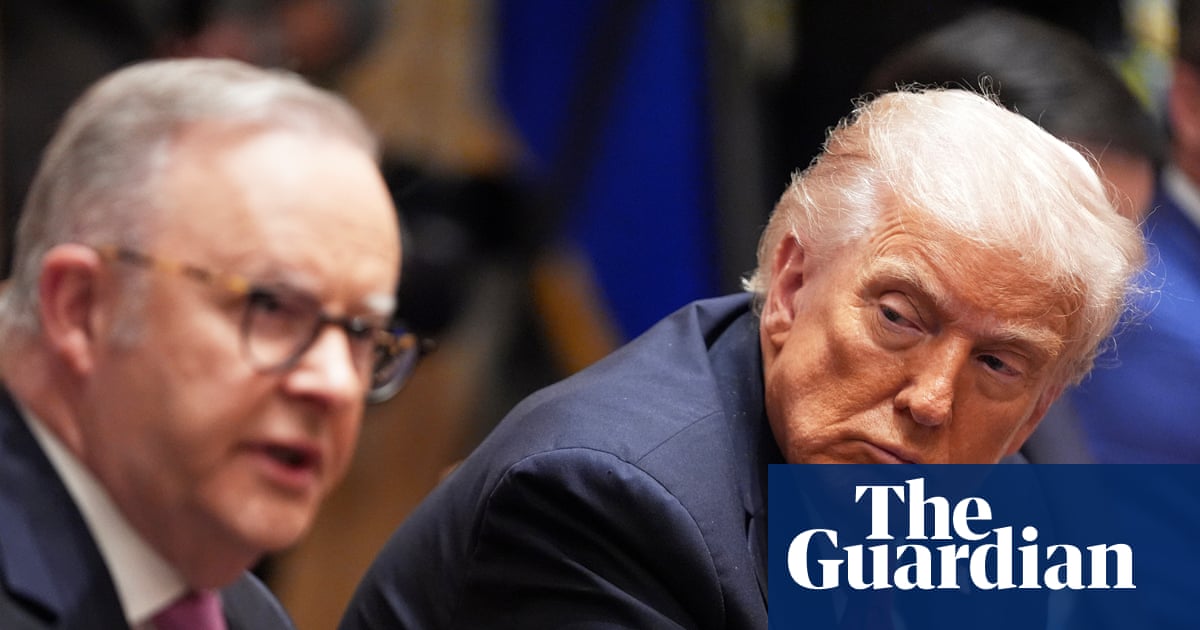
The diplomatic friction arises just as Prime Minister Anthony Albanese prepares to meet President Donald Trump at the United Nations general assembly in New York. The timing of the US intervention is likely to embolden the Australian Coalition, which opposes the duty of care laws on the grounds that they grant excessive power to the government for regulating online content. The dispute highlights growing tensions between national regulatory ambitions and global tech governance.
Despite the pressure from Washington, Prime Minister Albanese has stated that the government will make decisions in Australia’s national interest. Communications Minister Anika Wells has described the new laws as a global reckoning for big tech, following the introduction of a social media ban for users under sixteen. The arrival of David Brat, Trump’s new envoy to Australia, underscores the heightened diplomatic attention on this issue.
The debate reflects broader challenges in regulating digital platforms across borders. While Australia seeks to address specific harms associated with algorithmic content distribution, the United States views these efforts as an overreach that threatens free speech principles. The outcome of this consultation process will likely influence future international negotiations on digital safety and platform accountability.
As both governments navigate this complex intersection of technology policy and diplomatic relations, the stakes remain high for users and companies alike. The US position emphasizes the global nature of digital platforms and the potential for localized regulations to have widespread unintended consequences. Australia’s stance prioritizes domestic safety measures, even if they provoke international criticism.
Sources behind this briefing
Go to the original reporting
- The Guardian US↗Trump administration warns Labor social media crackdown is ‘censorship’ of Americans’ protected speech

