The short version
- Warren Buffett has resigned as chairman of Berkshire Hathaway after more than fifty years in the position, citing his advanced age and a desire to step back from daily operations.
- His son Howard Buffett will assume the chairmanship immediately, tasked with preserving the company's culture while Greg Abel continues to lead operations as chief executive officer.
- The transition marks the final stage of a long-planned succession strategy designed to maintain stability at the trillion-dollar conglomerate after its founder’s decades of leadership.
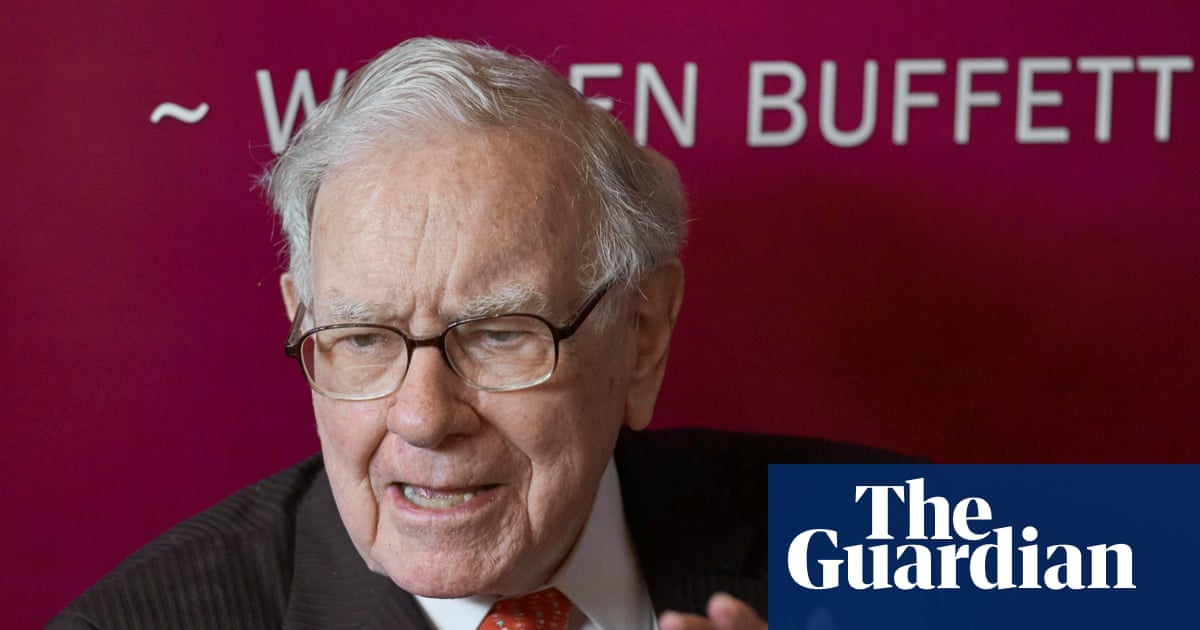
Warren Buffett has officially stepped down as chairman of Berkshire Hathaway, ending a tenure that spanned more than five decades and defined an era of American corporate history. The ninety-six-year-old investor, widely recognized for transforming a struggling textile business into a global financial powerhouse, will assume the title of chairman emeritus effective immediately. This move concludes a structured leadership transition that began earlier this year when Greg Abel took over as chief executive officer.
Buffett cited his age as the primary driver for the change, noting in a letter to shareholders that he now has a one-year-old great-grandchild who moves faster than he does. He described his time leading the company as the privilege of a lifetime and expressed confidence in the future direction of the firm. Despite leaving the chairmanship, Buffett will remain on the board of directors, maintaining a formal connection to the organization he has guided since 1965.
The role of chairman passes to Howard Buffett, Warren’s seventy-one-year-old son, who has served on the Berkshire Hathaway board since 1993. This appointment was part of a long-planned succession strategy rather than a sudden decision. Warren Buffett has previously stated that he trusts all three of his children, but Howard was selected for this specific role to act as a guardian of the company’s culture and values. The distinction between operational leadership and cultural stewardship is central to the new structure.
Greg Abel, who replaced Buffett as CEO in May 2025, will continue to manage the day-to-day operations of the conglomerate. In a prepared statement, Abel acknowledged the unprecedented impact his predecessor had on American business. He emphasized that the values championed by Buffett would remain at the core of Berkshire Hathaway, with Howard serving as their protector. This division of labor aims to balance operational efficiency with the preservation of the unique corporate identity Buffett cultivated over sixty years.
Berkshire Hathaway has grown from a modest New England textile manufacturer into a trillion-dollar entity owning dozens of businesses across construction, manufacturing, consumer goods, and insurance. The conglomerate also holds significant investments in major technology firms, including Apple, Nvidia, Amazon, Alphabet, and Meta. Under Buffett’s leadership as CEO, the company nearly doubled the returns of the S&P 500 index, achieving a compounded annual growth rate of 19.9 percent compared to the index’s 10.4 percent gain.
Market reaction to the announcement was initially muted but showed signs of uncertainty. Shares of Berkshire Hathaway pointed lower before the opening bell on Friday, reflecting investor caution regarding any change in leadership at such a pivotal institution. However, analysts note that the transition has been gradual and deliberate, which may mitigate long-term volatility. The company’s massive cash reserves and diversified portfolio provide a buffer against immediate market shocks.
Michael Withers, a management professor at the University of Notre Dame, observed that Buffett understood succession was not merely about finding another extraordinary leader but about building a structure capable of preserving Berkshire’s distinctiveness. The challenge ahead lies in whether Abel and Howard can honor this legacy while adapting to a financial landscape that differs significantly from the one Buffett mastered. The market will likely watch closely to see how the new leadership team navigates future economic cycles.
Buffett’s influence extends beyond corporate governance into philanthropy, having donated approximately $66 billion in stock since 2006. His personal net worth is estimated at $145 billion, ranking him among the wealthiest individuals globally. As he steps back from active leadership, his focus may shift further toward charitable endeavors, though he remains a director and retains significant influence through his ownership stake. The transition marks the end of an era for one of Wall Street’s most iconic figures.
The coming months will test the resilience of the succession plan. Investors will look to see if the separation of duties between Abel and Howard functions as intended, with Abel driving growth and Howard safeguarding corporate culture. While Buffett has expressed confidence in his successors, the true measure of this transition will be Berkshire Hathaway’s ability to maintain its competitive edge and shareholder trust in a post-Buffett leadership structure. The market awaits further clarity on strategic priorities under the new regime.
This development underscores the broader theme of generational change in corporate America, where long-standing leaders are increasingly passing the torch to next-generation executives or family members. Berkshire Hathaway’s approach offers a model for how large conglomerates can manage leadership transitions without disrupting operational stability. As Buffett moves into an emeritus role, his legacy as a transformative investor and businessman remains intact, even as the company enters a new chapter under different stewardship.
Sources behind this briefing
Go to the original reporting
- The Guardian US↗Warren Buffett steps down as chair of Berkshire Hathaway after over 50 years
- PBS NewsHour↗Warren Buffett steps down as Berkshire Hathaway chairman, after holding the post since 1970

