The short version
- The Nasdaq composite fell sharply, marking its worst trading day in eighteen months as investors reacted to anticipated regulatory changes following the midterm elections.
- Analysts warn that Democratic gains in gubernatorial races and local ballots may impose stricter limits on datacenter development, slowing the pace of AI infrastructure growth.
- Market volatility surged with the VIX index jumping significantly, while major tech firms like Nvidia and chip manufacturers SanDisk and Western Digital experienced steep declines.
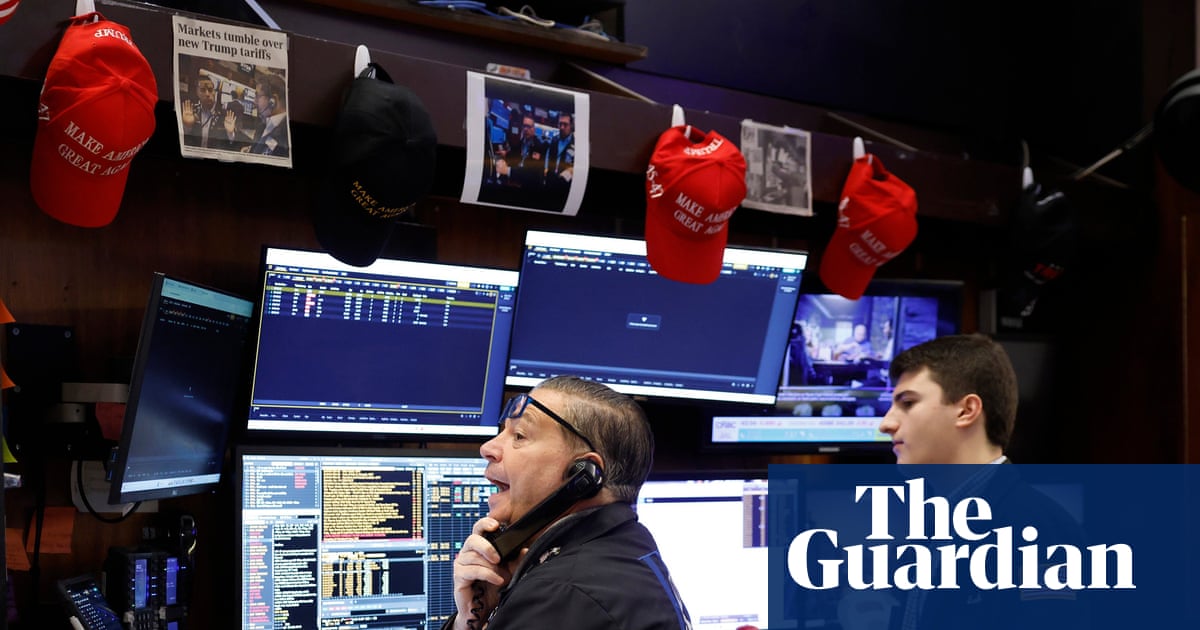
United States equity markets experienced a severe downturn on Thursday, driven by investor concerns that recent midterm election outcomes will lead to increased regulatory scrutiny of the artificial intelligence sector. The Nasdaq composite index dropped by as much as five percent, pushing the tech-heavy benchmark into correction territory, defined as a decline of more than ten percent from its recent peak. This sharp reversal marks the index's most significant single-day loss since April 2025, when former President Donald Trump announced new tariffs on trading partners.
The sell-off was particularly acute among semiconductor and hardware manufacturers. SanDisk shares plummeted by nineteen percent, while Western Digital fell by sixteen and a half percent. Nvidia, a central player in the current AI boom, saw its stock drop by six point seven percent, leading declines within the Dow Jones Industrial Average. The broader market also suffered, with the S&P 500 falling three point seven percent and the Dow Jones losing more than one thousand five hundred points to close at fifty-one thousand eight hundred sixty-eight.
Market anxiety is largely centered on the political implications of the midterm results. Democrats secured victories in several gubernatorial races and saw local ballot measures rejecting datacenter projects pass across various regions. Analysts suggest these outcomes indicate a growing political will to clamp down on the rapid expansion of AI infrastructure. Neil Wilson, an investor strategist at Saxo UK, described the trading activity as a capitulation-level event, noting that fears are mounting regarding a slowdown in datacenter buildouts due to Democratic control in key legislative areas.
The volatility index, commonly known as the VIX, surged by forty percent, reaching its highest levels since the early stages of the Iran war. This spike reflects heightened uncertainty and risk aversion among traders. The widespread losses rippled beyond Wall Street, affecting global markets. An initial rally in European equities failed to sustain momentum, with Britain's FTSE 100 closing down zero point four percent at ten thousand seven hundred eighty-two point six six.
This dramatic decline stands in stark contrast to the market performance observed just one day prior. On Wednesday, Wall Street recorded its largest daily gain in months as investors anticipated that Democratic successes would act as a check on executive power. That brief optimism prompted President Trump to highlight record-high market levels on his social media platform, Truth Social, claiming that retirement accounts were benefiting from his administration's economic policies.
Industry experts argue that the current market correction reflects a shift in investor sentiment from speculative enthusiasm to practical assessment. Dan Ives, a tech analyst, stated that Democratic control of the Senate creates significant obstacles for AI and technology legislation over the next two years. He emphasized that the pace of datacenter construction is likely to decelerate as regulatory hurdles increase.
Ted Parkhill, founder and CEO of Incline Investment Management, noted that the market is transitioning from focusing on the potential promise of AI to confronting the actual costs associated with it. While he acknowledged that artificial intelligence will remain transformative in the long term, he warned that many related stocks are currently overvalued. This mispricing, combined with political headwinds, is expected to generate continued turmoil in the sector.
Investors are now looking for signs of stability after what analysts describe as an overdone sell-off. The nature of the current market environment suggests a broad-based liquidation of tech assets, making it difficult to identify immediate support levels. As regulatory frameworks evolve and political dynamics settle, the extent of the impact on AI infrastructure projects will become clearer, potentially influencing future investment strategies in the technology sector.
Sources behind this briefing
Go to the original reporting
- The Guardian World↗US tech shares fall sharply as investors bet on AI slowdown after Democrats’ election triumph


