The short version
- Majorities of Americans express concern about a recession, with nearly two-thirds of independents viewing economic conditions as deteriorating.
- High fuel and grocery costs are cited as the primary drivers of voter sentiment, particularly affecting rural populations who feel financially precarious.
- Partisan optimism has waned significantly since early 2026, complicating efforts by both parties to claim ownership of economic solutions.
With the midterm elections less than three weeks away, a significant shift in voter sentiment is emerging regarding the state of the national economy. An exclusive Harris poll conducted for The Guardian indicates that key demographic groups, including independents and rural residents, are growing increasingly disenchanted with current economic conditions. This dissatisfaction cuts across party lines, suggesting that financial pressures may play a decisive role in upcoming congressional races.
The data reveals a pervasive sense of pessimism among the electorate. Three-quarters of Americans surveyed expressed concern about the possibility of a recession. More strikingly, 61% of respondents believe the United States is currently experiencing a recession, a perception that contradicts standard economic definitions which do not classify the current period as such. This disconnect between public perception and technical reality highlights the intensity of financial anxiety gripping the country.
Independent voters, who are often viewed as the swing factor in tight contests, show a marked decline in confidence. Sixty-five percent of independents stated that the economy is getting worse, a substantial increase from 48% who held this view in September 2024 during the presidential election cycle. This erosion of support presents a challenge for Republicans seeking to maintain control of Congress, as these voters appear less convinced by previous economic narratives.
Optimism within the Republican base has also contracted sharply. In February 2025, shortly after Donald Trump’s inauguration, 39% of Republicans believed the economy was improving. That figure rose slightly to 49% by February 2026, just prior to military engagements in Iran. However, the latest polling shows a steep drop, with only 28% of Republicans now saying economic conditions are getting better. This decline suggests that initial post-election enthusiasm has faded under the weight of persistent inflation.
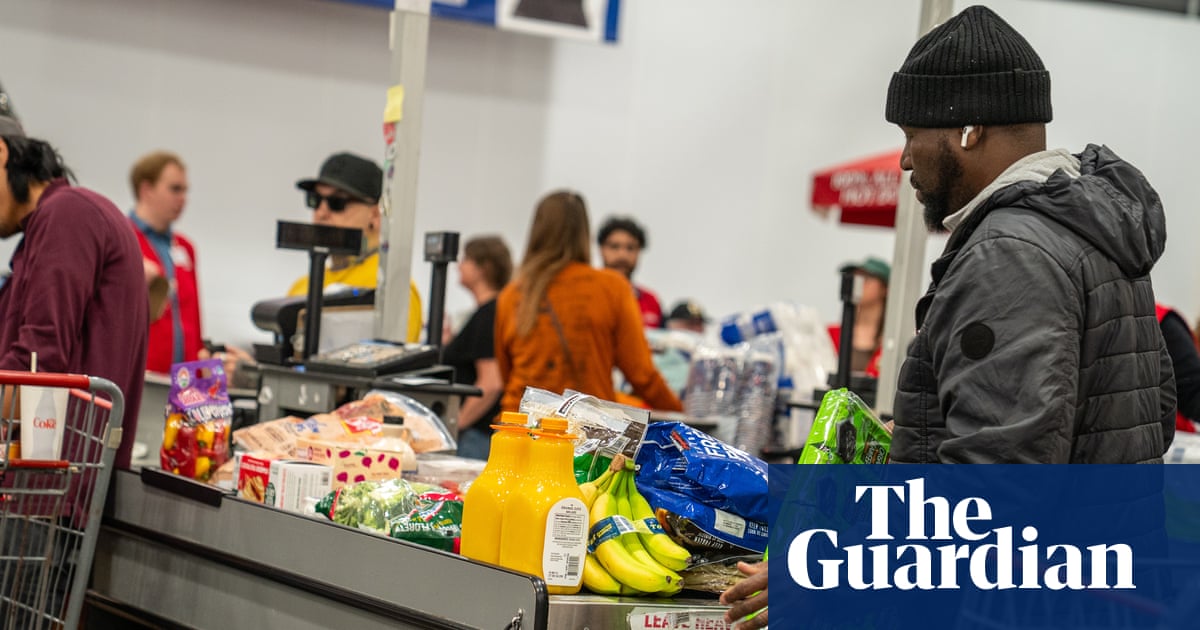
Specific cost drivers are dominating voter concerns. Two-thirds of those polled identified gas prices and grocery costs as their most important issues heading into November. These concerns outranked living expenses, healthcare costs, and foreign affairs. Recent inflation data supports this focus, showing an annualized price increase of 3.7% in September. This is the highest inflation reading before a midterm election, excluding pandemic-era spikes, since 1990.
Energy costs have surged notably following conflicts in Iran. Average gas prices at the pump are now $1.20 higher per gallon compared to the previous year. In California, where prices are already elevated, drivers are paying an average of $6.20 per gallon according to AAA data. These tangible expenses are shaping political messaging, with Democratic candidates in swing states framing their campaigns around affordability crises.
Campaign strategies reflect this economic anxiety. In Texas, Democratic Senate candidate James Talarico has highlighted grocery costs in advertisements, depicting himself holding a bag of groceries while stating that many Texans feel they are drowning under the weight of essential expenses. Similarly, Abdul el-Sayed, a Democratic Senate candidate in Michigan, has argued that his identity is irrelevant to the structural issues driving up gas and food prices, attempting to separate personal politics from economic realities.
Despite broad agreement on the existence of an affordability crisis, voters remain divided on which party offers viable solutions. While 96% of Republicans acknowledge the crisis, only 59% believe their own party has a solution, compared to 71% of Democrats who feel confident in their party’s approach. Half of independents believe neither party has a solution, indicating deep skepticism toward political leadership regardless of affiliation.
Rural Americans, traditionally a core support base for the Trump administration, exhibit unique patterns of financial stress and attribution. Forty-one percent of rural respondents said neither party has a solution, higher than suburban or urban counterparts. Furthermore, 40% of rural Americans described themselves as living in survival mode, where a single unexpected bill could cause financial ruin. When asked about gas prices, 46% of rural voters blamed the US government, whereas Republicans were more likely to attribute costs to oil companies, Iran, or natural market fluctuations.
The survey was conducted online between September 24 and October 3, 2026, among a nationally representative sample of nearly 4,000 US adults. As election day approaches, the gap between official economic indicators and lived experience appears to be widening, potentially influencing voter behavior in ways that traditional metrics may not fully capture.
Sources behind this briefing
Go to the original reporting
- The Guardian US↗Key US voters say economy is getting worse ahead of midterms, exclusive poll finds

