The short version
- The Trump administration has instructed park rangers to remove signs deemed to disparage Americans or promote corrosive ideologies.
- Save Our Signs, a volunteer-led project, has collected over 17,000 photos of park signage to preserve public records before potential deletion.
- Contributors view the archival effort as a means to maintain historical accuracy and counteract government censorship of sensitive topics.
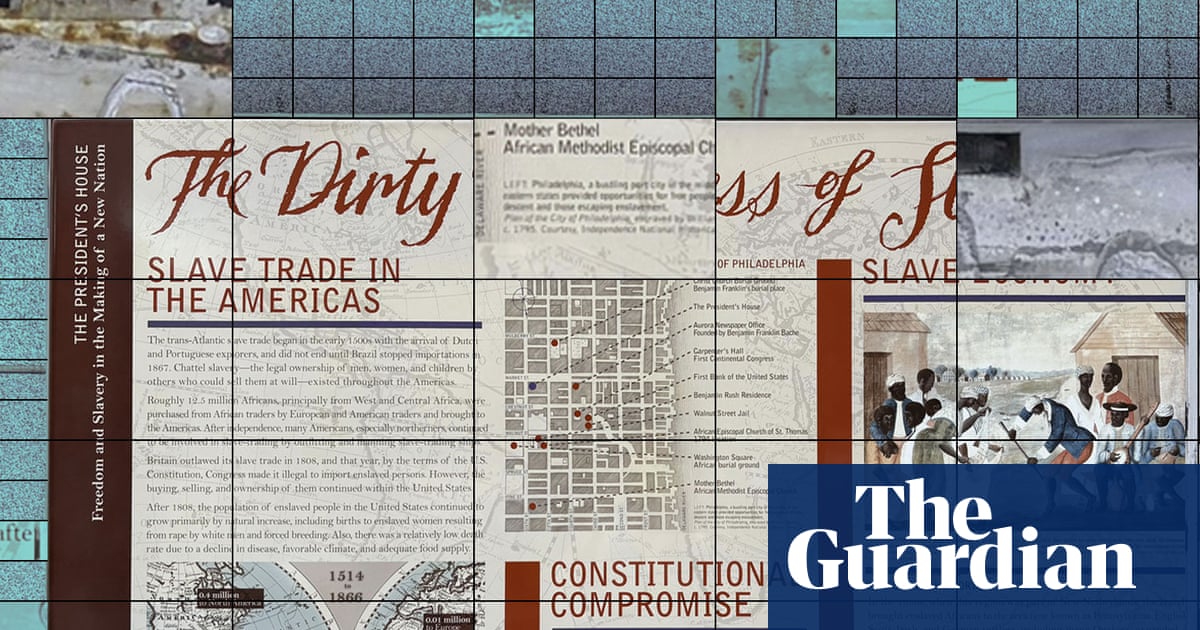
A coordinated effort by amateur archivists is underway to document the physical history displayed across the United States National Park Service. The initiative, known as Save Our Signs, was launched in response to federal directives that have prompted the removal or alteration of informational signage at numerous historic sites and national parks. The project aims to create a permanent digital record of these displays before they are permanently altered or taken down by government officials.
The drive to archive this material stems from broader administrative actions targeting public information. Last year, the Trump administration began deleting government datasets and webpages that contained references to gender ideology, environmental justice, or diversity initiatives. This pattern of censorship expanded into the National Park Service, where rangers received instructions to flag signs discussing slavery, Indigenous history, and the climate crisis. Officials were told to remove materials that inappropriately disparaged Americans or advanced what the administration characterized as corrosive ideologies.
Jenny McBurney, a government publications librarian at the University of Minnesota, recognized parallels between the deletion of digital datasets and the physical removal of park signage. Both types of information are funded by taxpayer dollars and serve as public records. After participating in the Data Rescue Project to save online government data, McBurney and her colleagues decided to apply similar archival strategies to the physical landscape of national parks. They launched Save Our Signs last July with the goal of photographing every sign in the more than 400 national parks and historic sites.
The project has garnered significant public participation. As of early August, volunteers had submitted more than 17,200 photos to the digital archive. These contributions cover nearly every national park and historic site in the country. The volume of submissions suggests widespread concern among the public regarding the erasure of historical narratives. McBurney noted that the response indicates this is not a niche issue but a matter of broad civic interest.
Beyond preservation, the project serves as a platform for public engagement with American history. Organizers hope to prompt visitors and volunteers to consider what constitutes an accurate representation of the nation’s past. By documenting signs before they are removed, the archive allows people to examine content that might otherwise disappear without public notice. This approach transforms passive observation into active participation in historical stewardship.
For many contributors, the work provides a sense of agency during a period of political uncertainty. Isabelle Boelter, a library assistant involved in the project, described the effort as a way to confront history that the administration seeks to obscure. Volunteers see their role as protecting public knowledge from administrative overreach. The act of photographing signs becomes a form of resistance against what participants view as an attempt to sanitize or rewrite historical accounts.
Charlene Forsythe, one of the most active contributors, has submitted more than 2,000 images. She and her mother, Karen Smith, have visited dozens of parks over the past four years, often photographing signs to share with family members who cannot travel. When news broke about the administration’s orders to remove specific signage, Forsythe recognized the urgency of preserving her collection. She believes that acknowledging difficult aspects of national history is essential for maintaining truth in public spaces.
The archive has already captured evidence of changes at several locations. Volunteers have documented signs before their removal or alteration at sites including Acadia National Park, Cape Cod National Seashore, Fort Sumter, and Independence National Historical Park. These records provide a baseline for comparing current displays with previous versions. The project team reviews submissions regularly to ensure quality and privacy, cropping out identifying features of people while preserving the text and context of the signs.
Looking ahead, organizers plan to address gaps in coverage by targeting less visited sites. Boelter is adjusting personal travel plans to visit under-documented areas along the Niobrara National Scenic River and other remote locations. This strategy ensures that the archive remains comprehensive rather than skewed toward popular tourist destinations. The ongoing effort highlights a growing tension between federal control of public narratives and citizen-led preservation of historical records.
The significance of Save Our Signs extends beyond individual parks. It reflects a broader struggle over who controls the narrative of American history in public institutions. As the administration continues to enforce its censorship policies, volunteer archivists are filling the void left by official channels. Their work ensures that even if physical signs are removed, the information they contained remains accessible to researchers, educators, and the general public.
Sources behind this briefing
Go to the original reporting
- The Guardian US Politics↗The amateur archivists racing to save US history in national parks against Trump administration censorship