The short version
- Ash clouds from the Anak Krakatau volcano forced the closure of Soekarno-Hatta airport and four other facilities, suspending over 300 flights.
- Authorities are attempting to use cloud-seeding techniques to induce rain and wash away the ash that is irritating residents and disrupting daily life.
- The eruption has impacted international routes to Singapore, Australia, and the Middle East, while also affecting domestic travel and local fishing industries.
Operations at five airports in Indonesia were suspended on Sunday following a significant eruption of the Anak Krakatau volcano. The disruption centered on Soekarno-Hatta International Airport near Jakarta, the country’s primary aviation hub, which remained closed to air traffic until mid-afternoon local time. The shutdown was necessitated by the presence of volcanic ash in the airspace, a hazard that poses severe risks to aircraft engines and visibility for pilots.
The suspension affected approximately 301 flights, including 58 international services, according to airport operator Angkasa Pura. Major carriers such as Singapore Airlines and Qantas reported cancellations and disruptions to their schedules. Singapore Airlines halted all flights to and from Jakarta for the remainder of Sunday, while Qantas stated it was assisting affected customers and monitoring conditions closely. The transportation ministry noted that more than 22,000 passengers were impacted, with significant effects on routes connecting to Singapore, Doha, Sydney, and Kuala Lumpur.
Domestic travel also faced interruptions, with at least 16 flights bound for Bali cancelled by local airport authorities. In response to the stranded passengers, the airport operator coordinated with airlines to provide food, light refreshments, and bus transportation to nearby hotels. The situation required extended closures as officials worked to ensure that air quality and visibility met safety standards before resuming operations.
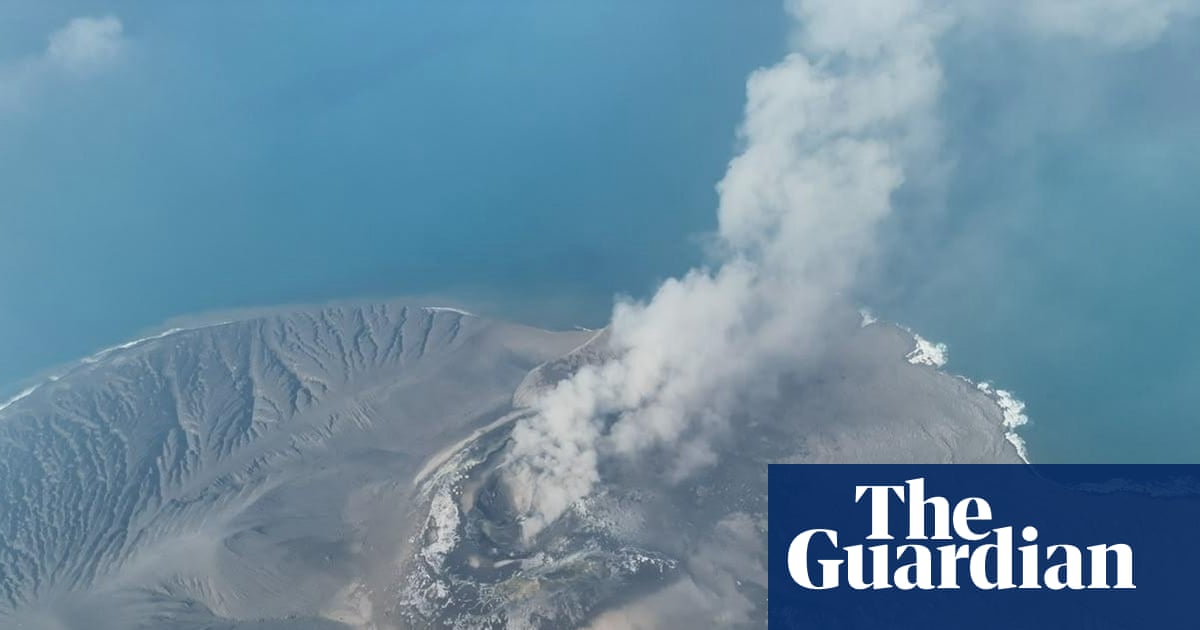
The eruption itself was marked by lava flows and loud booming sounds audible up to 700 kilometers away. Meteorological data indicated that ash plumes reached heights of 6,000 meters on the Java side of the volcano and as high as 15,000 meters on the Sumatra side. The spread of ash was confirmed through paper tests conducted by the transport ministry, which showed positive results for particulate matter in the area surrounding Soekarno-Hatta airport.
Beyond aviation, the eruption disrupted daily life in surrounding regions. Schools in affected areas cancelled activities after students and residents reported eye irritations caused by the falling ash. Local fishermen also halted their operations, citing safety concerns and the unsuitability of conditions for fishing. The immediate impact on these sectors highlights the broader reach of volcanic activity beyond just transportation infrastructure.
In an effort to mitigate the lingering effects of the ash cloud, Indonesia’s disaster mitigation agency announced plans to conduct weather modification operations. These efforts may include cloud-seeding techniques designed to promote rainfall. Agency chief Suharyanto suggested that heavy rain could help wash away the ash more quickly, potentially reducing health risks and restoring normalcy to daily activities sooner than natural precipitation might allow.
Anak Krakatau, located in the strait separating the islands of Java and Sumatra, has been sporadically active since it emerged from the sea within the caldera created by the catastrophic 1883 eruption of Mount Krakatau. That historical event remains one of the deadliest volcanic eruptions in recorded history, with an estimated death toll of 35,000 people. The current activity serves as a reminder of the region’s geological volatility and the ongoing monitoring required to manage associated risks.
Maritime safety measures were also implemented in response to the eruption. Port authorities prohibited ships from approaching within a three-kilometer radius of the volcano and advised vessels passing through the strait to remain vigilant for potential dangers. These restrictions aim to protect maritime traffic from any sudden changes in sea conditions or additional ash fallout that could impair navigation.
The incident underscores the vulnerability of regional infrastructure to natural disasters. While the immediate threat to aviation has been managed through temporary closures, the long-term implications for local communities and industries remain under assessment. Authorities continue to monitor the volcano’s activity levels and air quality to determine when full operations can safely resume across all affected airports.
As conditions stabilize, airlines and airport operators are working to rebook passengers and restore normal schedules. The coordination between government agencies, meteorological services, and private carriers highlights the complex logistics involved in managing large-scale disruptions caused by natural events. The situation remains fluid, with updates expected as weather modification efforts proceed and ash levels decline.
Sources behind this briefing
Go to the original reporting
- The Guardian US↗Volcanic ash cloud halts flights at five Indonesian airports, including Jakarta’s

