The short version
- Eight airports in Indonesia suspended operations due to volcanic ash from Mount Anak Krakatau, delaying over 1,500 flights and stranding approximately 170,000 passengers.
- Authorities in Jakarta shifted classes to online learning as ash clouds drifted toward the capital, while maritime exclusion zones were enforced around the active volcano.
- Officials stated that current eruptive activity does not pose a tsunami risk, though the volcano remains part of a historically volatile region known for catastrophic events.
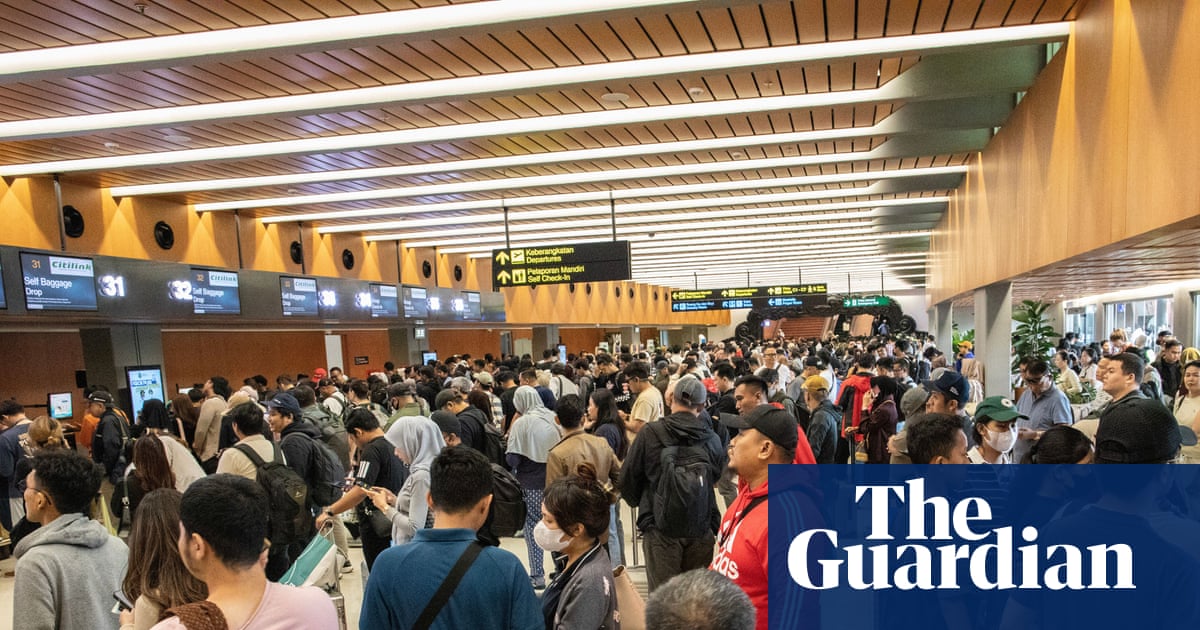
A significant disruption to transportation and daily life has unfolded across Indonesia following renewed eruptions at Mount Anak Krakatau. The volcanic activity has forced the closure of eight airports, including the nation’s primary international hub in Jakarta, leaving roughly 170,000 travelers stranded as of Sunday. More than 1,500 flights have been delayed or cancelled, with the majority of these disruptions concentrated at Soekarno-Hatta International Airport. The scale of the interruption highlights the vulnerability of regional infrastructure to sudden geological events in an archipelago situated on the Pacific Ring of Fire.
The eruption began on Saturday, characterized by a fountain of lava and loud booming sounds audible from hundreds of kilometers away. By Sunday, the country’s volcanology agency recorded two additional eruptive events. Ash plumes drifted into airspace surrounding major travel corridors, prompting aviation authorities to suspend operations to ensure safety. The suspension at Soekarno-Hatta was extended into Monday morning due to increased activity, creating a backlog that affected both domestic and international routes. Passengers faced uncertainty as airlines scrambled to manage the sudden halt in services.
In response to the ash cloud reaching the capital, Jakarta authorities moved schools online on Monday. The city administration did not specify the duration of this remote learning measure, leaving families without a clear timeline for when normal routines might resume. The decision reflects the immediate health and safety concerns associated with airborne particulate matter from volcanic eruptions. While the physical impact on students is limited to digital connectivity issues, the broader societal disruption underscores the reach of the volcano’s influence beyond the immediate vicinity of the eruption site.
The logistical challenge extends beyond air travel. Transportation officials have identified alternative landing sites in cities such as Semarang and Surabaya to mitigate the congestion at closed airports. However, these alternatives are not sufficient to absorb the full volume of displaced flights immediately. Passengers reported frustration but generally accepted the situation as an unavoidable consequence of natural disaster. One traveler noted that while disappointment was widespread, anger was tempered by the recognition that the event was beyond human control. Rescheduling efforts have pushed many departures to later dates, extending the period of uncertainty for those affected.
Maritime safety has also become a priority in the Sunda Strait, where Anak Krakatau is located. Local port authorities have established a three-kilometer exclusion zone around the volcano, prohibiting vessels from approaching the area. Ships passing through the strait have been advised to increase vigilance due to potential navigation hazards posed by volcanic activity. This precautionary measure aims to prevent accidents caused by debris or sudden changes in water conditions. The strait is a critical shipping lane, and any prolonged disruption could have economic implications for regional trade.
Anak Krakatau, which translates to Child of Krakatau, emerged from the sea in the early 20th century within the caldera formed by the catastrophic 1883 eruption of Mount Krakatau. That historical event remains one of the deadliest volcanic disasters in recorded history, killing an estimated 35,000 people. The current activity is part of a pattern of sporadic eruptions that have characterized the volcano since its formation. While the recent events are significant for their immediate impact on travel and local communities, they do not yet indicate a return to the scale of destruction seen in the late 19th century.
Concerns about tsunamis have been addressed by geology agency officials, who stated that the current series of eruptions does not pose a tsunami risk. This assessment provides some relief to coastal communities that were devastated by a tsunami in 2018, which was triggered by a collapse of part of the volcano’s flank and killed 429 people. The distinction between explosive eruptions and structural collapses is critical for risk management. Authorities continue to monitor the situation closely, warning against approaching the exclusion zone due to the danger of ejected materials.
The broader context of Indonesia’s geological setting explains the frequency of such events. As a nation located on the Pacific Ring of Fire, Indonesia experiences high levels of volcanic and seismic activity due to the convergence of tectonic plates. This geographic reality necessitates robust emergency response systems and public awareness campaigns. The current crisis tests these systems, highlighting both their effectiveness in coordinating airport closures and school shifts, and the limitations in restoring normalcy quickly. As ash continues to settle and flight schedules are revised, the focus remains on ensuring passenger safety and minimizing long-term economic disruption.
Looking ahead, the duration of the airport closures and school suspensions will depend on the behavior of the volcano. If eruptive activity subsides, authorities may gradually resume operations, but any sign of escalation could lead to further restrictions. The situation serves as a reminder of the unpredictable nature of volcanic hazards and the interconnectedness of modern infrastructure with natural systems. For now, travelers face continued delays, and local communities must adapt to the temporary changes in their daily lives while monitoring official updates for signs of stabilization.
Sources behind this briefing
Go to the original reporting
- The Guardian US↗Volcano eruption in Indonesia leaves 170,000 travellers stranded as eight airports closed

