The short version
- Gilly McArthur rescued a wing-damaged buff-tailed bumblebee queen named Phoebee, leading to widespread online engagement after she shared photos of the insect on social media.
- Conservation experts argue that while individual rescues are emotionally resonant, they do not address the primary threats to bee populations, such as habitat loss and pesticide use.
- The incident highlights a tension between personal acts of kindness and broader ecological strategies, with advocates urging the public to focus on planting pollinator-friendly gardens instead.
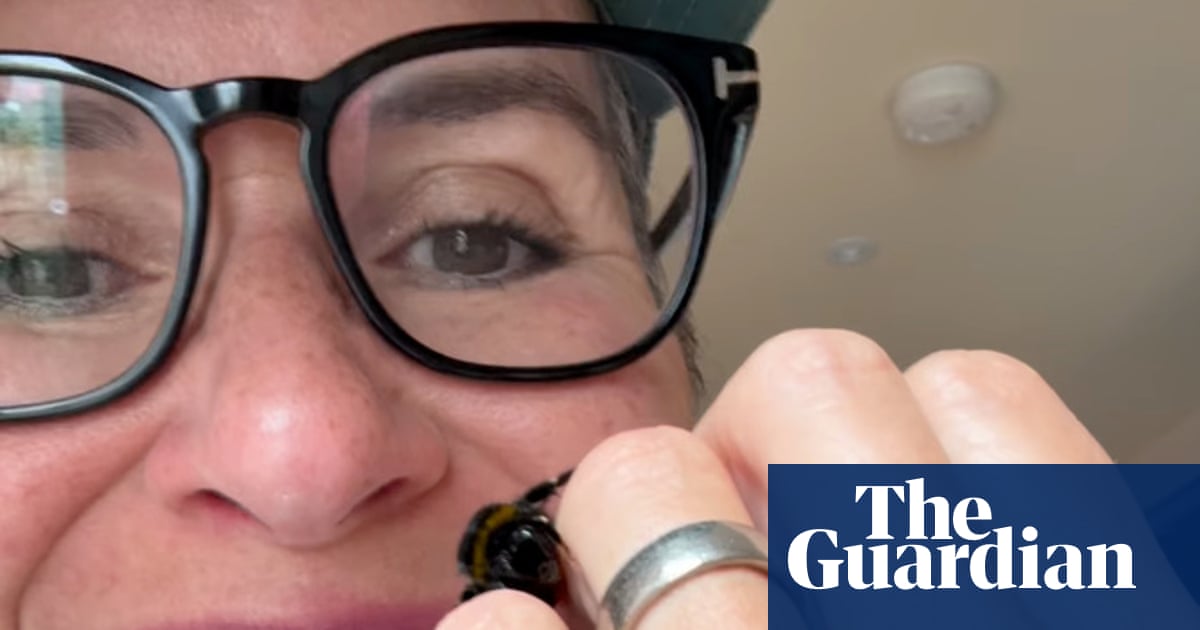
A single act of compassion toward an injured insect has ignited a global conversation about how best to support struggling wildlife. Gilly McArthur, an author from Britain, discovered a buff-tailed bumblebee queen with a broken wing lying by the roadside in July. Rather than leaving the creature to its fate, McArthur brought it home, providing a bed of flowers and close supervision. She initially expected the bee to die within a day, but instead, the insect survived for over fifty days, climbing on her arm and neck while she cared for it.
The situation gained significant traction after McArthur took the bee, whom she named Phoebee, on a sailing trip. Unable to leave the insect behind, she posted images of Phoebee enjoying the journey on Instagram. The response was immediate and extensive, with users from around the world sharing their own stories of helping injured insects. McArthur noted that the reaction seemed to stem from a desire for authenticity and kindness in a period marked by global instability and digital fatigue.
Despite the emotional resonance of the story, conservation professionals have responded with caution. Andy Benson, representing the Bumblebee Conservation Trust, expressed bemusement at the intensity of the public reaction. He suggested that the specific characteristics of Phoebee—a large, fluffy queen—likely amplified the attention. While he acknowledged the heartwarming nature of McArthur’s efforts, he emphasized that such individual interventions are not the standard recommendation for dealing with distressed bees.
Experts advise that the most appropriate course of action when encountering a lost or injured bee is to gently place it on a flower and allow natural processes to proceed. Taking insects into private homes or transporting them on trips is generally discouraged. This guidance stems from a broader understanding of bee biology and behavior. Most bumblebees have short lifespans, lasting only about a year. Mated queens typically hibernate during autumn and emerge in spring to start new colonies, but Phoebee has not mated, leaving her long-term prospects uncertain.
The debate surrounding Phoebee’s rescue underscores the severe challenges facing pollinators today. A significant portion of British wild bees and hoverflies are in decline, with a quarter of European species at risk of extinction. These trends are driven by habitat destruction, climate change, and the use of pesticides that harm bee populations. The stakes are high for human agriculture as well, since one in three mouthfuls of food relies on pollinators. Crops dependent on pollination, such as apples, beans, squashes, and almonds, hold five times more economic value than those that do not.
McArthur remains aware that her actions did not halt the broader decline in bee numbers. She recognizes that extending the life of a single individual does not solve systemic ecological problems. However, she hopes the visibility of Phoebee’s story might inspire different behaviors among the public. Her goal is to encourage people to reconsider their interactions with nature, such as avoiding leaf blowing in winter or planting more flowers to support local pollinators.
The incident serves as a case study in how digital media can amplify individual acts of kindness into broader cultural moments. While McArthur’s approach was unconventional, it succeeded in drawing attention to the plight of bees. The challenge now lies in translating that attention into sustained, effective conservation efforts. Experts suggest that small-scale actions, like planting flowers in gardens, can benefit hundreds of bees simultaneously, offering a more scalable solution than individual rescues.
As Phoebee’s condition remains monitored, McArthur continues to observe her closely, noting behaviors such as self-cleaning and nectar feeding. She has prepared for the possibility that the bee may eventually die or enter hibernation, stating she will check for signs of life before giving up. The story illustrates the complex relationship between humans and wildlife in an era of environmental crisis, where personal empathy often clashes with scientific pragmatism.
Ultimately, the Phoebee phenomenon highlights a disconnect between public sentiment and conservation science. While people are drawn to narratives of individual salvation, experts stress the importance of addressing root causes like habitat loss. The viral nature of the story provides an opportunity to educate the public on more effective ways to support biodiversity. Whether this leads to lasting change remains to be seen, but the conversation itself marks a significant moment in environmental awareness.
Looking ahead, the focus should shift from singular rescue stories to collective action. Planting pollinator-friendly vegetation and reducing pesticide use are steps that can yield measurable benefits for bee populations. McArthur’s experience demonstrates the power of storytelling in engaging audiences with ecological issues. By channeling this engagement into practical measures, society may be better equipped to protect the insects that sustain our food systems.
Sources behind this briefing
Go to the original reporting
- The Guardian US↗‘I could watch her for hours’: the woman who rescued a bee and created a buzz

