The short version
- A Russian soldier in Crimea killed four people, including three civilians, before being arrested, adding to instability in the annexed peninsula.
- Ballistic missiles struck Kyiv early Wednesday, causing fatalities and significant structural damage while triggering hazardous chemical leaks.
- Ukrainian drones targeted logistics hubs across western Russia, resulting in fires at major retail warehouses and multiple deaths in industrial zones.
The conflict entered its 1,624th day with a surge of violence that spanned from the annexed Crimean peninsula to the outskirts of Moscow, underscoring the persistent instability along both military and civilian fronts. In Sevastopol, a Russian soldier opened fire on fellow servicemen before turning his weapon on civilians, an incident that authorities described as a tragedy requiring immediate investigation. Mikhail Razvozhayev, the Russian-appointed governor of the region, confirmed that the attacker had been detained after killing one comrade and wounding another, then proceeding to kill three civilians and injure three others. The precise motives behind the shooting remain unclear, with officials stating that all circumstances are still being established.
This isolated act of violence in Crimea occurs against a backdrop of sustained Ukrainian operations aimed at disrupting Russian military logistics. For weeks, the peninsula has been a focal point for attacks designed to cut off fuel and electricity supplies to occupying forces. The shooting incident adds a layer of internal security concern to an area already under pressure from external strikes, highlighting the fragility of control in regions that Russia has held since its 2014 annexation.
Simultaneously, Kyiv faced renewed aerial bombardment early Wednesday when Russian ballistic missiles struck several districts. The attack resulted in one confirmed death and twelve injuries, with rescue teams working to extract survivors from the rubble of a destroyed warehouse near the city center. Mayor Vitali Klitschko warned that additional victims might still be trapped under debris. The impact extended beyond structural damage, as the strikes triggered an ammonia leak that emergency crews were forced to contain, adding environmental and health hazards to the immediate crisis.
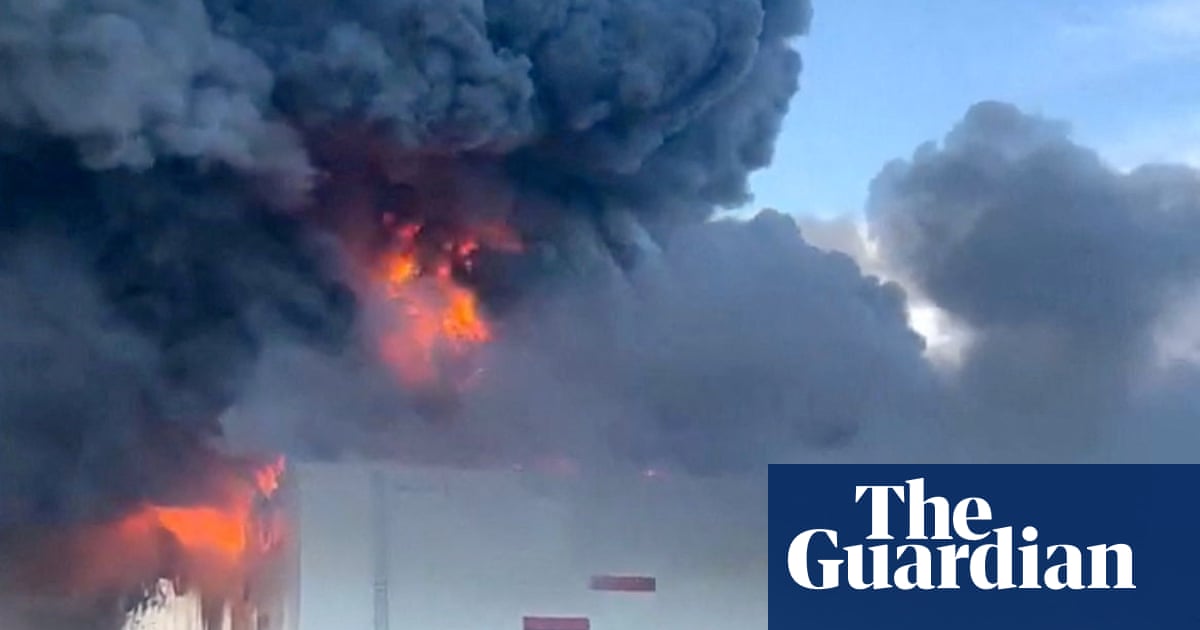
In response to Russian aggression, Ukrainian forces continued their campaign against logistical targets within Russia’s borders. Drones struck multiple warehouses operated by major online retailers, including Wildberries, in regions surrounding St. Petersburg, Moscow, and Tver. While some facilities reported fires with no casualties, others suffered more severe consequences. In the Novoselki industrial zone near Chekhov, a drone attack ignited a warehouse fire that killed five people. Another incident in the Leningrad region saw a drone fall on a distribution center for Lenta, a large food retailer, injuring one person.
The targeting of commercial infrastructure has drawn sharp contrasts in reporting between Kyiv and Moscow. Ukrainian officials maintain that their weapons are used exclusively against military-industrial complexes and economic facilities supporting the war effort. However, the presence of civilian casualties in these strikes complicates the narrative, as seen in the deaths reported in Chekhov. Meanwhile, Russia accused Ukraine of attacking a Black Sea holiday resort in Gelendzhik, claiming seven people, including three children, were killed by a drone strike on a beach. Ukrainian officials disputed this account, stating that the drone was shot down by Russian air defenses and fell accidentally, denying any intent to target civilians.
Further allegations of war crimes emerged from Kherson, where video footage showed a Russian drone pursuing a street vendor before exploding nearby. The victim, a man in his 50s, survived but suffered shock and shrapnel injuries after diving under his vehicle for cover. President Volodymyr Zelenskyy condemned the incident as part of a deliberate campaign to intimidate civilians, describing it as a 'drone safari' that demonstrates Russia’s disregard for human life. Foreign Minister Andrii Sybiha emphasized that such acts are designed to terrorize populations and demanded international condemnation, noting that thousands of similar incidents likely go unreported.
In Sumy, located in northern Ukraine, Russian guided bomb strikes killed two children and an elderly woman, according to regional governor Oleh Hryhorov. These attacks reflect a broader pattern of targeting residential areas, which has drawn widespread criticism from human rights organizations and allied nations. The use of precision-guided munitions against civilian infrastructure raises serious questions about compliance with international humanitarian law, particularly when such strikes result in disproportionate civilian harm.
Amidst the ongoing violence, Kyiv held a solemn funeral procession for Vitalina Yarovenko, a university student who died helping wounded civilians during a previous Russian strike. Hundreds of mourners dressed in white followed her open casket through the city center, with traffic stopping and drivers paying silent tribute. Her mother requested a military-style honor, recognizing her daughter’s bravery in aiding others under fire. This event highlights the personal toll of Russia’s 'double tap' tactic, where initial strikes draw rescue workers to scenes only for follow-up attacks to target them.
As the conflict continues, the interplay between military objectives and civilian suffering remains a central concern. The shooting in Crimea, missile strikes on Kyiv, and drone attacks on Russian logistics hubs illustrate the expanding scope of violence beyond traditional battlefields. Both sides face mounting pressure to address the humanitarian impact of their actions, while international observers call for greater accountability and adherence to legal standards governing armed conflict.
Looking ahead, the immediate priorities include containing the ammonia leak in Kyiv, investigating the circumstances of the Sevastopol shooting, and assessing the long-term effects of drone strikes on civilian infrastructure. The resilience of Ukrainian cities under sustained bombardment contrasts with the growing instability in Russian-held territories, suggesting that the war’s dynamics are shifting in complex ways. Diplomatic efforts to de-escalate tensions remain stalled, leaving civilians on both sides vulnerable to further violence.
Sources behind this briefing
Go to the original reporting
- The Guardian US↗Ukraine war briefing: Russian soldier in Crimea shoots comrades and civilians

