The short version
- A large crowd gathered in Trafalgar Square to mourn Jason Arday, with speakers blaming a hostile media campaign for his distress.
- Arday’s family stated he was overwhelmed by public cruelty, while Cambridge officials condemned the 'racist feeding frenzy' surrounding the plagiarism allegations.
- Political leaders are divided on whether an official inquiry is needed, with some calling for reflection and others demanding accountability for both media conduct and university vetting.
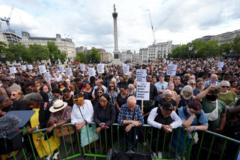
Thousands of mourners gathered in central London this week to pay tribute to Jason Arday, the Cambridge University professor who died recently amid intense public scrutiny. The vigil, organized by Stand Up to Racism, drew a crowd estimated at more than 2,000 people to Trafalgar Square. Many attendees wore black and brought flowers, responding to short-notice calls for solidarity. The atmosphere was described as sombre yet charged with anger directed primarily at the media outlets that covered Arday’s professional controversies in his final weeks.
Arday, who was 41, had become Cambridge’s youngest Black professor upon his appointment in 2023. His tenure ended abruptly when he resigned on August 5 following allegations regarding his academic credentials and achievements. The university announced it would investigate the circumstances of his appointment two days before his death was discovered at a south London address on August 14. Arday had stated that his resignation should not be interpreted as an admission of guilt regarding the narratives surrounding him.
During the vigil, Labour MP Bell Ribeiro-Addy read a statement from Arday’s family expressing their ongoing grief and shock. The family described Arday as a selfless and gentle individual who uplifted others through his work. They emphasized that the public cruelty he endured was unbearable and expressed a desire for him to be remembered for his character and accomplishments rather than the misrepresentations they believe overshadowed his legacy. The statement highlighted the profound impact Arday had on those around him in the days following his death.
Speakers at the event criticized the tone and intensity of media coverage. Labour MP Diane Abbott characterized the reporting as a vicious campaign driven by individuals who opposed the presence of a Black man in a senior Cambridge role. She suggested that Arday may have believed resigning would halt the attacks, only to find them intensifying. Filmmaker Misan Harriman accused legacy media of crossing ethical lines, describing their treatment of Arday as cruel and sport-like. Lord Simon Woolley, principal of Homerton College, noted that Arday had expressed feeling hounded to death during a meeting shortly before his passing.
The controversy has sparked broader discussions about academic integrity and racial bias in higher education. Cambridge University Chancellor Lord Chris Smith spoke publicly for the first time on the matter, condemning what he termed a racist feeding frenzy. He argued that it is possible to uphold rigorous standards for investigating plagiarism allegations while simultaneously refusing to participate in racially motivated attacks. Smith emphasized that any academic, regardless of identity, should face thorough scrutiny if misconduct is alleged, but such processes must not devolve into personal vilification.
Political reactions have been mixed regarding the next steps. Downing Street declined to confirm whether Prime Minister Andy Burnham is considering an official inquiry, stating that it is currently a moment for reflection and that standard legal processes, including a coroner’s investigation, should proceed. The London Inner South Coroner’s Court indicated that determining the cause of death could take several weeks, after which it will decide if an inquest is necessary. Meanwhile, more than 90,000 people have signed a petition by the Good Law Project calling for an inquiry into the media’s coverage of Arday.
Shadow Housing Secretary Sir James Cleverly offered a different perspective, expressing anger at the outcome but also criticizing the university establishment. He argued that institutions like Cambridge failed to perform robust due diligence during Arday’s appointment, suggesting he was used for bragging rights based on his age and ethnicity rather than solely on talent. Cleverly acknowledged that much of the coverage may have been motivated by racism but maintained that questions about plagiarism were legitimate issues that required proper vetting.
As the coroner’s investigation begins, the case remains a focal point for debates on media ethics, racial dynamics in academia, and institutional responsibility. The vigil underscored the deep personal toll of public controversy and the urgent calls for accountability from both journalists and educational leaders. With no immediate resolution in sight, the coming weeks will likely see continued legal and political examination of how Arday’s appointment and subsequent allegations were handled.
Sources behind this briefing
Go to the original reporting
- BBC News↗Jason Arday's family 'still coming to terms' with his death as vigil held

