The short version
- Glenn Richard Rollo pleaded guilty to thirteen charges related to possessing and selling protected wildlife without proper licensing.
- Investigators discovered over seven hundred dead native animals, including threatened species, along with live reptiles kept in poor conditions.
- Critics argue the ten thousand dollar fine is insufficient given the scale of the offense and call for modernization of outdated conservation statutes.
A Victorian court has imposed a financial penalty on an antiques store owner following the discovery of an extensive illegal collection of native wildlife at his residence and business premises. Glenn Richard Rollo, aged seventy-four, pleaded guilty to thirteen charges in Kynton local court, resulting in a ten thousand dollar fine. The convictions relate to violations of state wildlife laws, specifically concerning the unauthorized possession and sale of protected and threatened species, as well as failures to provide adequate care for live animals under his control.
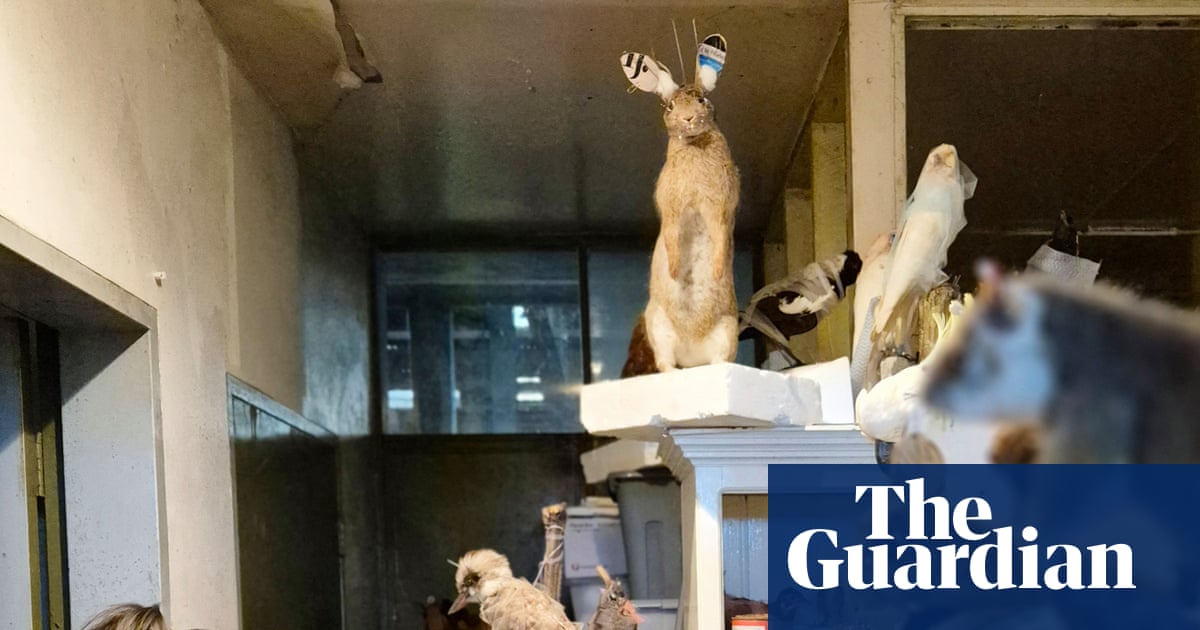
The legal proceedings follow a regulatory investigation that began with search warrants executed at Rollo’s property in April of the previous year. Authorities were acting as part of a broader enforcement effort targeting the illicit trade of wildlife. During the raid, officials uncovered a significant volume of contraband, including fourteen freezers stocked with deceased animals and numerous shelves displaying taxidermied specimens. The sheer quantity of seized items has drawn attention to the extent of unauthorized wildlife keeping in the region.
Inventory records from the seizure indicate that more than seven hundred native animals were involved in the case. The collection included a wide variety of species, such as magpies, galahs, sulphur-crested cockatoos, foxes, and possums. Specific counts revealed seventy-eight emus, forty-two brushtail possums, and twenty-six echidnas among the dead specimens. The presence of these animals in a domestic and commercial setting without appropriate permits represents a substantial breach of Victoria’s Wildlife Act 1975.
Of particular concern to conservationists was the inclusion of threatened species within the collection. Investigators found remains belonging to barking owls, diamond pythons, and Murray River short-necked turtles. These species are subject to strict protections due to their vulnerable status in the wild. The discovery underscores the risks posed by unregulated private collections, which can contribute to the depletion of already scarce populations and disrupt local biodiversity.
In addition to the frozen and taxidermied animals, regulators identified fifteen live reptiles housed in enclosures on the property. These included North American red-eared slider turtles and corn snakes. An assessment of their living conditions revealed that six of these reptiles were not being maintained according to required animal welfare standards. This aspect of the case highlights issues beyond mere possession, pointing to neglect and inadequate care for living creatures kept without proper authorization.
Magistrate Patrick Southey addressed Rollo during the sentencing, expressing disbelief at the defendant’s actions given his apparent knowledge of wildlife matters. The magistrate noted that it was perplexing for someone with an interest in nature to so thoroughly disregard legal requirements. This judicial commentary reflects the broader expectation that individuals engaging with wildlife, whether commercially or privately, must adhere to established regulatory frameworks designed to protect ecological integrity.
Regulatory officials emphasized that the permit system is essential for safeguarding Victoria’s environment. Cal Heppell, director of regulatory operations for the conservation regulator, stated that laws and licensing requirements are not optional measures but critical tools for preventing unlawful exploitation. The agency maintains that these regulations ensure animals receive appropriate care and protect biodiversity from potential threats associated with unmonitored trade and possession.
Despite the conviction, some political figures argue that the penalty does not reflect the severity of the offense. Georgie Purcell, a member of parliament for the Victoria Animal Justice party, described the fine as inadequate and failed to serve as a meaningful deterrent. She criticized the government for relying on a fifty-year-old welfare act that she claims is broken and insufficiently protective. Purcell called for urgent modernization of wildlife laws to better align with community expectations and ensure robust protection for native species.
The case has ignited a wider discussion about the effectiveness of current wildlife enforcement mechanisms in Victoria. While regulators view the seizure as a successful demonstration of their capacity to detect and penalize illegal activity, critics see it as evidence of systemic failures in legislation. The outcome may influence future policy debates regarding how best to balance private ownership rights with the need for stringent conservation measures.
As the legal matter concludes, the focus shifts to the long-term implications for wildlife protection in the state. The seizure of such a large number of animals serves as a stark reminder of the challenges faced by conservation agencies. Whether this incident will lead to legislative reform remains uncertain, but it has certainly highlighted the ongoing tension between regulatory enforcement and calls for stronger legal safeguards for Victoria’s native fauna.
Sources behind this briefing
Go to the original reporting
- The Guardian World↗Man fined after 700 frozen and taxidermied animals found on Victorian property