The short version
- Premier Ben Carroll announced a pilot program using supervised prisoners for basic road maintenance to accelerate pothole repairs if Labor wins the November election.
- The initiative is part of a broader $352 million budget increase aimed at fixing 500,000 potholes by January, funded partly by delaying level-crossing removals.
- Legal advocates criticize the plan as politically motivated exploitation, noting prisoners earn significantly less than minimum wage and lack guaranteed post-release employment links.
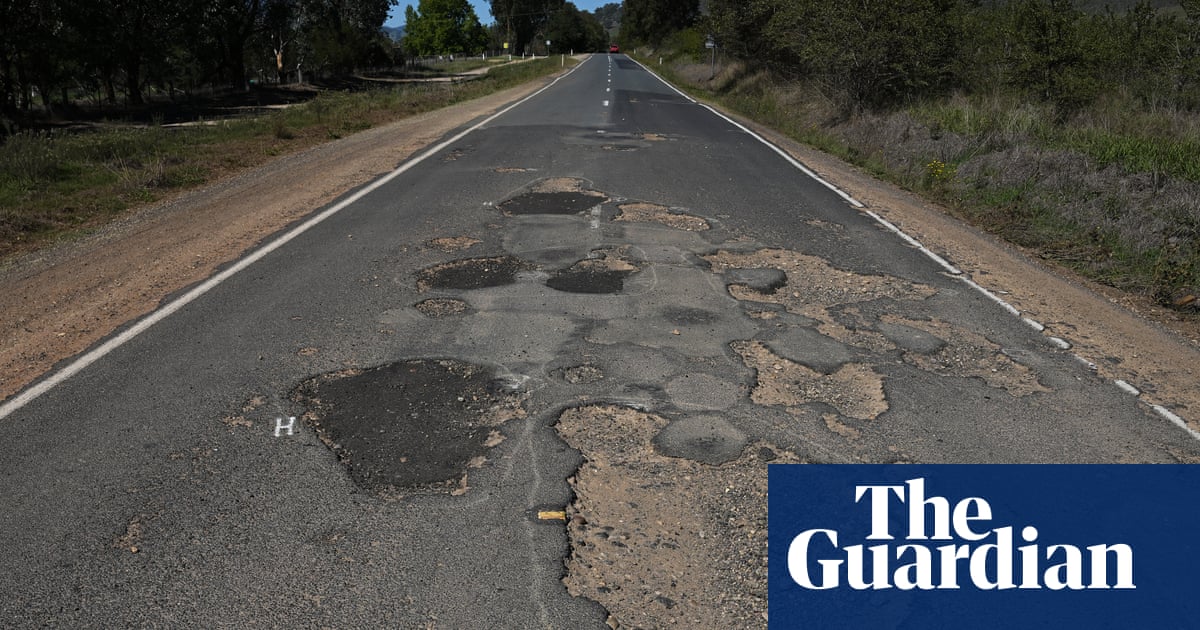
The Victorian government has unveiled a controversial proposal to utilize prison inmates for roadside maintenance duties, aiming to accelerate repairs on the state’s deteriorating road network. Premier Ben Carroll announced that if the Labor Party secures victory in the upcoming November election, it will collaborate with Corrections Victoria to launch a pilot program. This initiative would assign supervised, minimum-security prisoners to perform basic tasks such as mowing lawns, controlling weeds, removing graffiti, and collecting litter. The strategic goal is to relieve skilled maintenance crews of these routine duties, allowing them to concentrate their efforts on fixing an estimated 500,000 potholes by the end of January.
This policy announcement follows a significant financial commitment from the state government, which recently increased its road maintenance budget by $352 million. This additional funding supplements more than $1 billion already allocated for road upkeep in May. To finance this expansion, the government has decided to delay planned level-crossing removal projects in Melbourne’s south-east, specifically affecting sites in Highett and Mentone. Carroll emphasized that the primary objective is to ensure the government retains direct responsibility for road maintenance, reducing reliance on private contractors and establishing a digital platform where residents can report potholes and track repair progress.
The condition of Victoria’s roads has emerged as a critical issue in the lead-up to the election, particularly among voters in regional areas. The opposition has capitalized on this discontent, pledging to invest $5 billion in road repairs and rebuilds if they win power, including a promise to patch one million potholes. In contrast, Carroll argued that leveraging the prison workforce would increase labor capacity without displacing existing jobs. He stated that the work performed by inmates would supplement the current workforce where skill and capacity shortages exist, rather than replacing paid positions. Carroll suggested that low-level prisoners are eager to contribute positively to the state, citing previous successful initiatives involving graffiti removal and weeding.
However, the proposal has drawn sharp criticism from legal advocates who view it as a cynical political maneuver. Greg Barns SC, a criminal justice spokesperson for the Australian Lawyers Alliance, described the plan as a short-term solution designed to address government political problems rather than genuine infrastructure needs. Barns argued that unless prisoners are paid appropriate wages for this work, the scheme amounts to exploiting cheap labor for political gain. He emphasized that while providing work opportunities for inmates is generally positive, the current compensation structure fails to meet fair labor standards and does not adequately support rehabilitation efforts.
Under current Corrections Victoria guidelines, incarcerated individuals earn between $7.15 and $9.80 per day, depending on the complexity of their assigned tasks. This rate is significantly below the federal minimum wage. Furthermore, the government mandates that 20% of earnings be set aside as savings, accessible only upon release. When this deduction is applied, prisoners have less than $40 per week to spend while incarcerated. Barns contended that participants in road maintenance programs should receive award-rate wages, with a portion of those funds reserved for their reintegration into society. He argued that financial stability upon release is crucial for reducing recidivism rates and that such work programs should include clear pathways to future employment.
The debate highlights broader tensions regarding the role of prison labor in public infrastructure projects. Proponents argue that utilizing inmate labor can enhance efficiency and provide meaningful activities for prisoners, potentially aiding their rehabilitation through structured work. Opponents counter that without fair compensation and guaranteed post-release benefits, such programs exploit vulnerable populations and undermine labor standards. The government’s insistence that the initiative will not replace paid jobs aims to mitigate concerns about workforce displacement, but critics remain skeptical about the long-term implications for both prisoner rights and public sector employment.
As the election approaches, the road maintenance plan is likely to become a focal point in political discourse. Voters may weigh the immediate benefits of faster pothole repairs against ethical concerns regarding prisoner compensation and labor practices. The government’s decision to bring road maintenance back in-house and implement a transparent reporting system aims to restore public trust in infrastructure management. However, the reliance on prison labor introduces complex questions about justice, equity, and the true cost of public works projects.
The outcome of this policy debate could influence not only the November election results but also future approaches to prison rehabilitation and public service delivery. If implemented, the pilot program will need to balance operational efficiency with ethical considerations, ensuring that prisoner labor is conducted fairly and contributes meaningfully to both inmate development and community infrastructure. The success or failure of this initiative may set a precedent for how governments address infrastructure deficits while managing social justice responsibilities.
Ultimately, the Victorian government’s pothole plan reflects a broader challenge faced by many jurisdictions: balancing fiscal constraints, political pressures, and ethical standards in public service delivery. As residents await clearer details on the pilot program’s implementation, the debate underscores the importance of transparent policies that address both immediate infrastructure needs and long-term social outcomes. The coming months will reveal whether this approach can effectively improve road conditions while maintaining integrity in labor practices and prisoner rehabilitation efforts.
Sources behind this briefing
Go to the original reporting
- The Guardian World↗Victorian prisoners to be sent out to repair roads under Labor’s pothole plan