The short version
- Simon Levy was convicted of murdering two women and raping another in London after being released from a previous sentence for sexual assault.
- A victim of his earlier attacks says police dismissed her initial report, allowing him to remain free and harm more people.
- Authorities acknowledge mistakes in failing to charge Levy for an alleged 2017 assault, which could have prevented subsequent crimes.
Simon Levy has been found guilty of murdering Carmenza Valencia-Trujillo and Sheryl Wilkins, as well as raping another woman in London during 2025. The conviction marks the culmination of a disturbing sequence of events that began years earlier, when Levy was already known to law enforcement as a registered sex offender. He is scheduled to be sentenced at the Old Bailey on Wednesday. In addition to these capital charges, Levy was previously convicted earlier this year of sexually assaulting eleven other women, most of whom were targeted on London’s public transit system between 2023 and 2025.
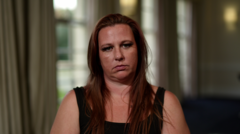
Laura, a woman who chose to waive her anonymity for this report, was assaulted by Levy in August 2018. She described the incident as a life-altering trauma that occurred while she and a friend were traveling to the Notting Hill Carnival on the Underground. Levy followed them, subjected Laura to a serious sexual assault, and continued to pursue them even after bystanders intervened. Her account highlights a critical failure in the immediate response: when she attempted to report the crime to Metropolitan Police officers at the scene, she was initially turned away because officers claimed they were occupied with more urgent matters.
Although a female officer eventually took Laura’s details, she stated that no immediate steps were taken to locate Levy or ensure her safety, despite the victims having a photograph of him. A formal crime report was filed the following day, and Levy was identified, arrested, and later convicted in 2021 for assaulting Laura and another woman. He received a three-year prison sentence. However, his release on license occurred even after he had sexually assaulted a prison officer during his incarceration, raising serious questions about risk assessment protocols within the justice system.
The consequences of Levy’s release were severe. Between his freedom and his final arrest, he attacked fourteen additional women. Laura expressed profound devastation upon learning that her nightmares of further violence had become reality for other victims. She stated that she reported the 2018 assault with the intention of protecting other women, only to feel betrayed by a system that allowed Levy to continue his pattern of behavior. She criticized the Metropolitan Police, the Crown Prosecution Service, and the judiciary for their collective role in enabling these subsequent crimes.
Investigations have revealed that authorities missed an earlier opportunity to intervene. In 2017, Levy was investigated for allegedly sexually assaulting another woman but was not charged at the time. Both the CPS and the Met now view this decision as a significant error. Laura noted that had charges been filed in 2017, she might never have been assaulted herself. This retrospective acknowledgment underscores a broader institutional failure to recognize escalating patterns of violence against women.
The Metropolitan Police issued a statement apologizing for the lack of support Laura felt during her initial report. They emphasized that a wide range of inquiries were conducted after the crime was logged, leading to Levy’s eventual identification and conviction. However, this apology does not mitigate the harm caused by the delays and procedural oversights that allowed Levy to remain at large for years. The gap between the 2018 assault and his 2021 conviction, followed by his release and subsequent crimes, illustrates a systemic breakdown in victim protection.
Laura has called for a societal shift in how male violence against women is handled. She argued that authorities must examine all aspects of such cases to prevent future tragedies. Her hope is that future victims will be believed immediately and treated with the urgency their situations demand. The case of Simon Levy serves as a stark reminder of the human cost when institutional safeguards fail, leaving vulnerable individuals exposed to repeated harm.
As Levy awaits sentencing, the focus remains on the broader implications for criminal justice reform. The sequence of events—from the dismissed 2017 investigation to the inadequate response in 2018 and the flawed release decision—highlights critical vulnerabilities in how sex offenders are monitored and managed. Laura’s testimony provides a personal perspective on these systemic failures, emphasizing the need for accountability and change to prevent similar outcomes in the future.
Sources behind this briefing
Go to the original reporting
- BBC News↗Woman assaulted by double murderer says nightmare became 'real life' when police let him attack again

