The short version
- California wildlife officials verified a gray wolf sighting in Mendocino National Forest, marking the first confirmed presence west of the Sacramento Valley since the species returned to the state.
- The detection underscores significant range expansion for the population, which has grown to at least fifty documented individuals over the past fifteen years after being driven to local extinction.
- Federal efforts to remove gray wolves from Endangered Species Act protections have intensified tensions between conservation groups and agricultural interests regarding livestock management.
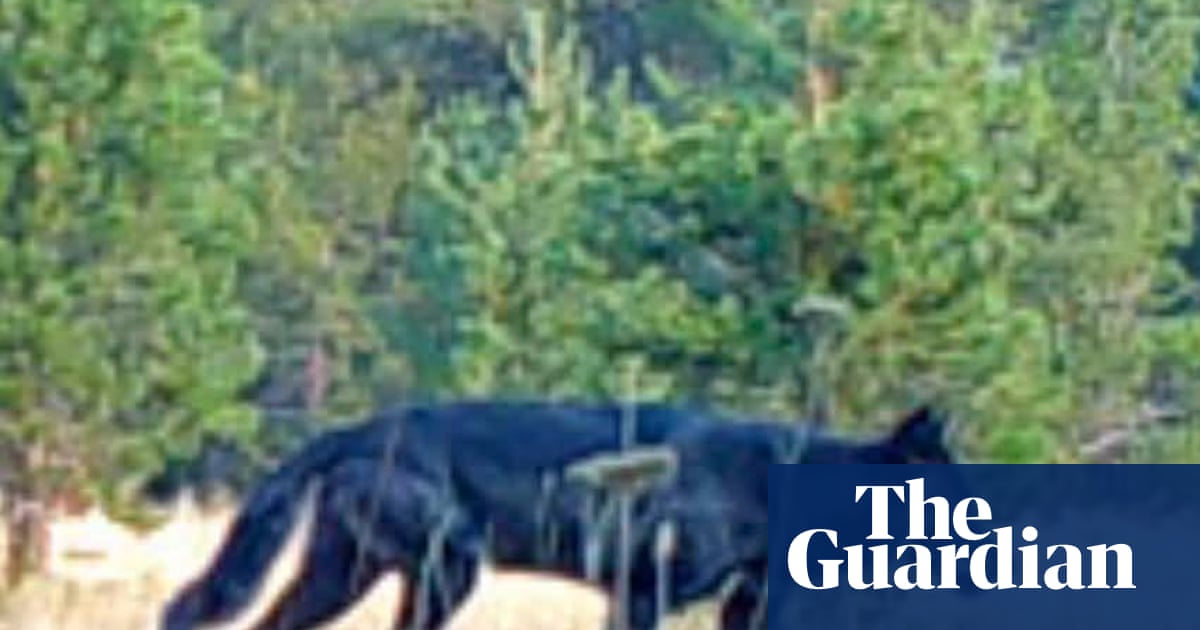
State wildlife authorities have confirmed the presence of a gray wolf in California’s Mendocino National Forest, marking a significant milestone for the species’ recovery in the region. This sighting represents the first verified occurrence in Lake County since the animals were reintroduced to the state fifteen years ago. The confirmation comes after reports emerged in late August regarding unusual activity in the area where Mendocino, Glenn, and Lake counties converge. Officials from the California Department of Fish and Wildlife (CDFW) received two separate tips before deploying personnel to investigate.
Verification of the animal’s presence involved a multi-step process conducted by agency experts. A CDFW wolf biologist reviewed photographic evidence submitted by reporters and determined the images were authentic. Following this initial assessment, biologists conducted field surveys in the reported area. These on-the-ground inspections revealed distinct wolf tracks near one of the sighting locations, providing physical confirmation that complemented the visual data. Deputy Director of Public Affairs Alicia de la Garza stated that the agency acted promptly to validate the reports.
The geographic significance of this detection cannot be overstated. According to Axel Hunnicutt, the state gray wolf coordinator for the CDFW, this is the only confirmed sighting west of the Sacramento Valley. Historically, wolves had been driven to extinction in California by hunters and settlers roughly a century ago. Their return began in 2011, with populations establishing themselves primarily in the rural and remote northeastern parts of the state. The appearance in Lake County suggests that the species is actively expanding its territory beyond previously established boundaries.
Current population estimates indicate there are at least fifty documented wolves in California. This growth reflects a broader trend of ecological recovery over the last decade. Hunnicutt described the evidence of wolves in this new part of the state as a positive development for biodiversity. The expansion into areas closer to populated regions, such as Lake County which is approximately two hours north of San Francisco, signals that the animals are adapting to and utilizing diverse habitats within the state’s northern forests.
Despite the ecological success, the return of gray wolves has generated considerable controversy among local stakeholders. Ranchers have expressed ongoing frustration regarding livestock losses attributed to predation. Because the species is protected under both state law and the federal Endangered Species Act, landowners have limited options for managing conflicts with predators. This regulatory framework often leaves agricultural communities feeling powerless when their livelihoods are impacted by wildlife interactions.
Federal policy developments are adding another layer of complexity to the situation. President Donald Trump recently signed an executive order titled “Supporting America’s Ranchers.” This directive instructs the Department of the Interior to consider removing gray wolves from the Endangered Species Act list. Additionally, it aims to loosen restrictions on lethal removal methods for predators that threaten livestock. These proposed changes represent a significant shift in federal wildlife management strategy.
The legal landscape surrounding wolf protection remains fluid and contested. The U.S. Fish and Wildlife Service has previously sought to de-list the gray wolf, but these efforts are currently subject to ongoing litigation. A 2022 federal court order continues to protect wolves across much of the lower forty-eight states, including California. However, the new executive order challenges this status quo, creating uncertainty about future enforcement and protection levels.
Environmental organizations have strongly criticized the administration’s approach. Leia Barnett, a conservation lead for WildEarth Guardians in New Mexico, condemned the executive order as an attempt to override established environmental safeguards. She argued that the move prioritizes industry interests over bedrock laws designed to maintain ecological balance. As legal battles unfold and wildlife ranges continue to shift, the tension between conservation goals and agricultural concerns is likely to intensify.
The verified sighting in Mendocino serves as a tangible indicator of both biological recovery and emerging policy conflicts. While state officials view the range expansion as a success story for reintroduction efforts, federal actions threaten to alter the protective framework that has allowed this growth. The coming months will likely see continued debate over how best to balance species preservation with the economic realities faced by rural communities in California and beyond.
Sources behind this briefing
Go to the original reporting
- The Guardian World↗California hails rare sighting of gray wolf in Mendocino national forest