The short version
- All Fraud Detection and National Security Directorate officers have been moved to screen South African refugees and investigate alleged unlawful voting.
- The reassignment has paused the training of asylum officers, potentially impacting the agency's capacity to process pending claims during a period of halted asylum processing.
- While officials cite election integrity and refugee vetting as priorities, data shows noncitizen voting is rare and recent admissions are overwhelmingly from South Africa.
Internal correspondence within the US Citizenship and Immigration Services reveals a significant operational shift in how the agency deploys its anti-fraud personnel. All immigration officers working for the Fraud Detection and National Security Directorate have been reassigned full-time to two specific initiatives designated as high priority by the administration. This move effectively removes these specialists from their traditional roles, which include identifying fraud in immigration benefit applications and assisting with national security screenings.
The immediate consequence of this personnel shift is a halt to the training of asylum officers. An internal message sent on Monday stated that because all FDNS officers are now focused on the new initiatives, the agency cannot assign staff to the training portfolio for the near future. This disruption limits specialized instruction for adjudicators who handle asylum claims, a process that has already largely ground to a halt during Donald Trump’s second term in office.
The first of the two new priorities involves screening South African refugees. This effort aligns with the administration’s broader strategy to sharply curtail overall US refugee resettlement while prioritizing admissions for individuals from South Africa, primarily those identifying as Afrikaners. US officials have justified this focus by claiming these individuals face racial discrimination and what they term white genocide, assertions that the South African government has firmly rejected as unfounded and politically motivated.
Data from the State Department underscores the narrowness of this refugee policy. Between October 1, 2025, and July 31, 2026, the United States admitted 10,258 refugees. Of that total, 10,255 were from South Africa. The remaining three admissions were Afghans who arrived in November. This statistical concentration highlights how the reassignment of vetting resources supports a highly specific demographic focus within refugee admissions.
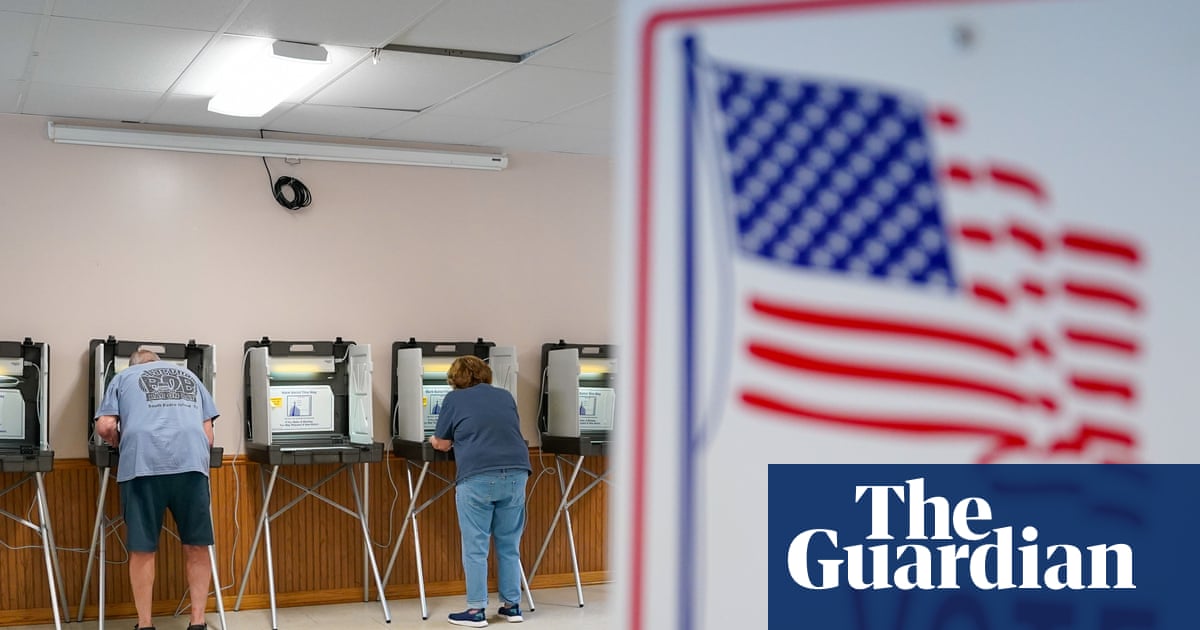
The second priority identified in the internal message is the screening for unlawful voters. This initiative appears to be part of a wider administration effort to identify noncitizens who are alleged to have registered or voted in US elections. USCIS has already taken steps to bar naturalization for green card holders involved in such activities and has pursued deportation proceedings against them. Additionally, a March 2025 executive order opened the agency’s Save database to state election officials, which has fueled investigations in several states.
However, experts have expressed significant skepticism regarding the scale of the problem the administration is addressing. Confirmed instances of noncitizen voting are rare. A review conducted by the Center for Election Innovation and Research in February 2026 identified roughly 35 such cases nationwide during the 2024 general election. This figure represents a minuscule fraction of the approximately 154 million votes cast, suggesting that the perceived threat to election integrity may be overstated.
Discrepancies also exist regarding the number of potential noncitizen voters identified by federal authorities. DHS Secretary Markwayne Mullin stated in July that the department had identified over 250,000 potential noncitizens illegally registered to vote across California, Nevada, New Jersey, and Pennsylvania. It later emerged that the confirmed number was far lower than this initial estimate, further complicating the narrative around the necessity of such extensive vetting efforts.
The Guardian has not independently confirmed whether routine FDNS screening of pending asylum applications has slowed or stopped beyond the training disruption. The internal message specifically addresses the inability to provide officers for training but does not explicitly state that day-to-day casework screening has ceased. A broader slowdown in this area would have more direct consequences for applicants currently in limbo, while the training halt affects the long-term capacity of the asylum office.
USCIS spokesperson Zach Kahler defended the reassignment, stating that the directorate works on various vetting portfolios to combat fraud and maintain system integrity. He noted that the mission set includes priorities such as election integrity and refugee screening. The agency maintains that these efforts are necessary to detect national security and public safety threats, even as critics point to the lack of evidence supporting widespread noncitizen voting or the specific risks associated with South African refugees.
As the administration continues its immigration crackdown, the reallocation of FDNS resources marks a significant diversion of personnel. The impact on asylum processing remains uncertain, but the pause in training suggests a reduced capacity for specialized adjudication. With refugee admissions heavily skewed toward one nationality and voter fraud investigations yielding minimal confirmed cases, the practical significance of these high-priority initiatives continues to draw scrutiny from experts and observers alike.
Sources behind this briefing
Go to the original reporting
- The Guardian US Politics↗US immigration officers reassigned to screen South African refugees and find ‘unlawful’ voters