The short version
- The United States military has withdrawn approximately a dozen B-1 bombers from RAF Fairford in Gloucestershire, citing new threat intelligence linked to Iran.
- British officials maintain that the base is secure and deny any immediate danger to residents, while US authorities describe the move as a prudent operational decision.
- Counter-terrorism investigations into recent suspicious activity near the airbase continue, with several suspects released on bail despite high-level political concern.
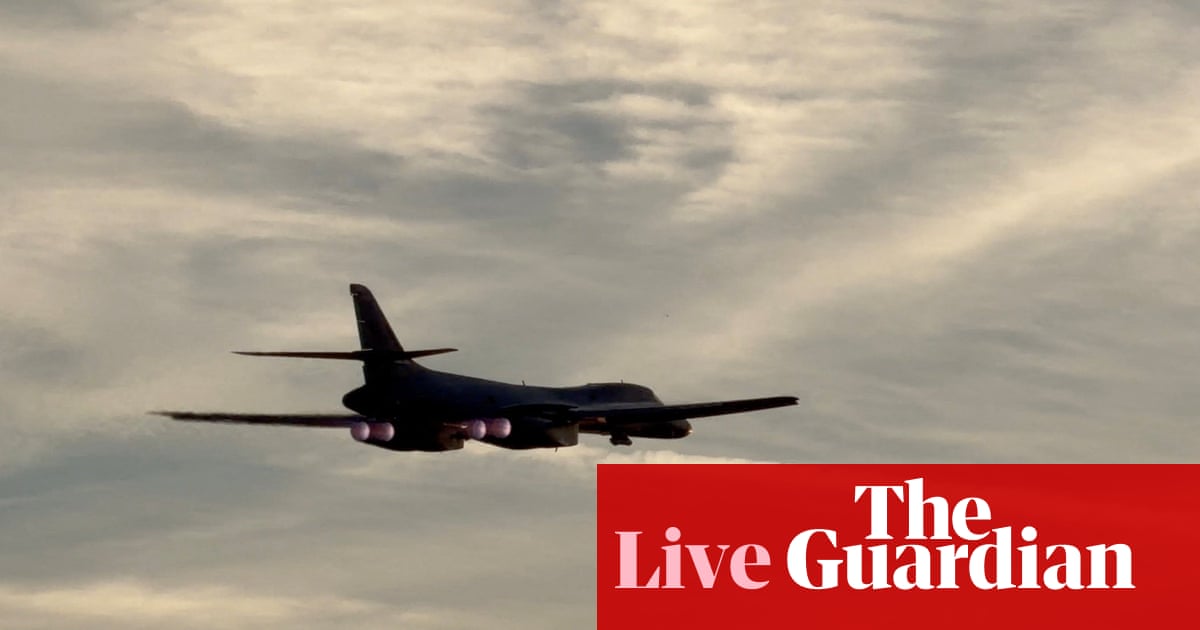
The United States military has abruptly withdrawn its bomber squadron from RAF Fairford in Gloucestershire, marking a significant shift in the tactical posture of American forces stationed in the United Kingdom. The Pentagon confirmed on Sunday that approximately twelve B-1 bombers had been redeployed to home stations in America. This rapid movement occurred against a backdrop of heightened security concerns regarding potential threats from Iran, which has previously designated the base as a legitimate military target due to its use in recent defensive strikes.
Downing Street moved quickly to reassure the public that the airbase remains safe and secure. A spokesperson for Prime Minister Andy Burnham emphasized that British authorities have robust, tried-and-tested methods for defending military installations both domestically and abroad. The government pointed to recent praise from US President Donald Trump regarding UK police and security services as evidence of strong bilateral confidence in local protective measures. Despite these assurances, the sudden departure of such high-value strategic assets has raised questions about the divergence between British and American risk assessments.
US officials indicated that the decision was driven by new intelligence rather than a loss of faith in British cooperation. Secretary of State Marco Rubio stated that the United States maintains full confidence in the security of its bases and highlighted the close collaboration with UK counterparts during the ongoing investigation. He characterized the redeployment as a standard operational adjustment, noting that specific details had emerged within the past twenty-four hours that necessitated immediate action. The move was described by defense experts as prudent, given the limited number of B-1 platforms currently in service.
The withdrawal follows a series of unsettling events at the Cotswolds airbase earlier this month. On September 27, counter-terrorism police responded to reports of three suspicious vehicles near the facility. Five men were arrested on suspicion of terror offenses and found with a barrel of petrol, though no explosive devices were discovered. All five suspects were released on bail within a day, a decision that drew criticism from President Trump, who expressed surprise at their release. A sixth suspect, a dual UK-Iranian national, was later arrested in London but also granted bail.
Intelligence reports suggest that Iranian actors may have been involved in the September incident. Prime Minister Burnham stated there were strong indications of Iranian involvement, while US officials confirmed that commanders received new warnings about an Iran-backed plot against RAF Fairford. These warnings appear to be part of a broader pattern of threats that began weeks ago. Iran’s Revolutionary Guards had previously declared that any base used for aggression against Iranian territory would be targeted, raising the stakes for facilities like Fairford that have hosted US air operations in the Middle East.
The operational response from the US military was swift and decisive. Aircraft trackers observed the entire squadron departing on Sunday, with some bombers leaving so quickly that refueling aircraft had to be scrambled to support their transatlantic flights. Whitehall sources acknowledged that the decision originated from Washington at an operational level rather than through political channels. The BBC reported that the move was communicated directly between US and British military counterparts, underscoring the technical nature of the redeployment despite its geopolitical implications.
Local residents near RAF Fairford expressed relief at the departure of the bombers. Many had grown accustomed to the noise and presence of heavy aircraft in recent months, with some feeling increasingly vulnerable due to the heightened security alerts. One villager noted seeing bombs being loaded onto planes from their garden before observing the rapid exodus of aircraft on Sunday. The contrast between local relief and official assurances of safety highlights the complex reality of living near a strategic military asset during periods of international tension.
Political reactions in the UK have been mixed. Liberal Democrat defense spokesperson James MacCleary described the withdrawal as deeply concerning and called for a comprehensive plan to ensure all military bases are fit for purpose. Meanwhile, former Green Party co-leader Adrian Ramsay focused on broader policy issues, though his comments were overshadowed by the security developments. The incident has reignited debates about the safety of UK-hosted US assets and the effectiveness of counter-terrorism measures in preventing potential attacks.
As investigations continue, authorities face the challenge of balancing transparency with operational secrecy. Counter-terrorism police are still examining the circumstances surrounding the September arrests and the subsequent intelligence warnings. While no immediate threat to public safety has been declared, the withdrawal of bombers signals a cautious approach by US commanders who prioritize asset protection. The situation remains fluid, with both nations working to manage tensions while maintaining their strategic partnership.
The future status of RAF Fairford as a forward operating location for US bombers is now uncertain. While the base has served this role for decades, the recent events may lead to a reassessment of its utility and security protocols. Both governments have emphasized their commitment to cooperation, but the physical removal of key military hardware suggests a temporary de-escalation of risk exposure. The coming weeks will likely reveal whether this was a short-term precaution or a longer-term strategic adjustment.
Sources behind this briefing
Go to the original reporting
- The Guardian World↗No 10 insists RAF Fairford is safe after US withdraws its bombers – UK politics live
- BBC News↗No 10 insists RAF Fairford is safe after US withdraws bombers
- The Guardian US↗No 10 insists RAF Fairford is safe after US withdraws its bombers from base