The short version
- US Undersecretary of Defense Elbridge Colby emphasized that European nations must increase military spending and industrial capacity to support Ukraine’s defense needs.
- The UK committed £100 million toward purchasing US-made Patriot missiles, while Germany pledged older interceptors from its own stockpiles.
- Ukraine faces a significant shortfall in air defense capabilities, leading to increased civilian casualties and infrastructure damage from Russian ballistic missile attacks.
United States officials have issued a direct appeal to European allies, urging them to intensify their military contributions and financial support for Ukraine. During a virtual meeting of the Ukraine contact group involving fifty nations, US Undersecretary of Defense Elbridge Colby stated that partner countries must not reduce their efforts in remilitarization or backing for Kyiv. The discussion centered on securing three hundred Patriot missile interceptors for Ukraine, a critical requirement identified by Ukrainian leadership to counter ongoing Russian aggression.
Colby highlighted the strategic importance of European self-reliance in continental defense. He noted that Ukraine’s recent defensive successes demonstrated Europe’s capacity to lead its own security efforts against Russian incursions without relying solely on American resources. However, he cautioned that verbal commitments are insufficient. Real financial investment and industrial mobilization are necessary to rebuild military strength and sustain the war effort. The tone from Washington appeared more supportive than in previous months, reflecting a shift toward encouraging sustained European engagement.
The United Kingdom announced a commitment of £100 million to bolster Ukraine’s air defenses during the winter months. This funding will be used to purchase US military equipment, including urgently needed Patriot missiles. While the exact number of interceptors the UK can provide remains unclear, officials acknowledged that the quantity would likely represent only a small fraction of the total required. Each Patriot interceptor is estimated to cost approximately $3 million, making large-scale procurement financially challenging for individual nations.
Germany also contributed to the effort by pledging older Patriot Pac-2 interceptors from its army stocks. Defense Minister Boris Pistorius encouraged other allies to follow Berlin’s example and donate available systems. These contributions are part of a broader scheme established by NATO, under which European countries pay for American weapons supplied to Kyiv. This approach aligns with US President Donald Trump’s push for Europe to dramatically increase defense spending and take greater responsibility for regional security.
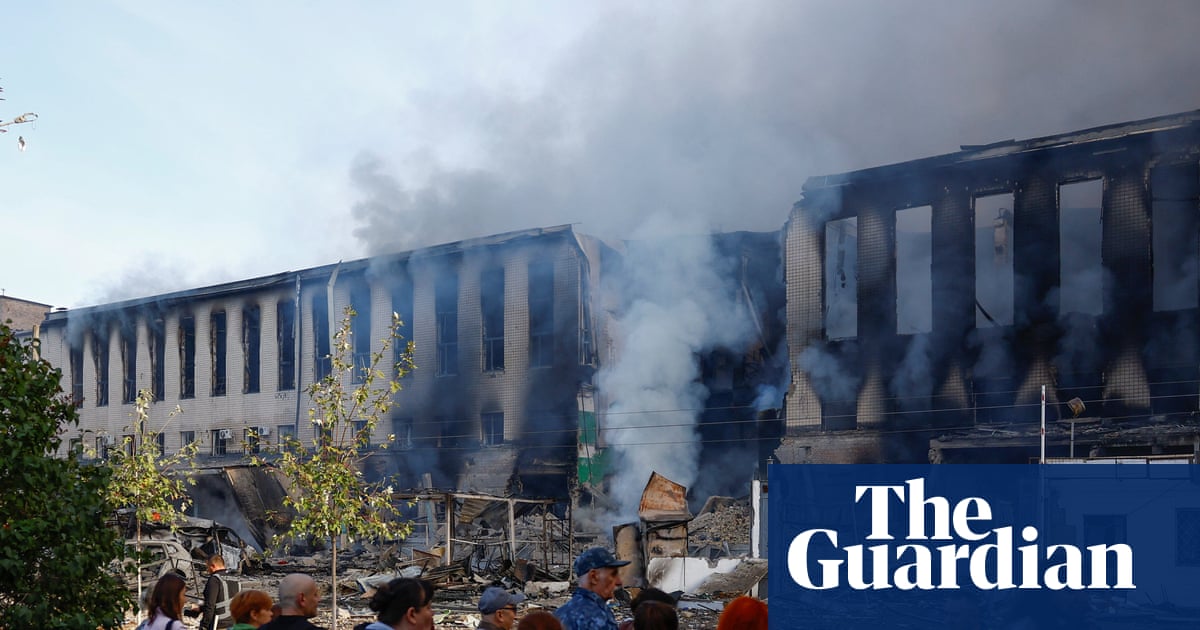
Ukraine continues to face severe challenges in defending against Russian ballistic missile attacks due to a shortage of Patriot interceptors. The lack of adequate air defense has resulted in significant civilian casualties and the destruction of food and logistics warehouses throughout the summer. Ukrainian Defense Minister Yehven Khamarra acknowledged that the situation regarding ballistic threats is particularly difficult and directly linked to the scarcity of these specific missiles. He noted that the Kremlin is aware of this vulnerability and is actively exploiting it.
In addition to equipment shortages, Ukraine is grappling with a substantial defense budget gap estimated at €23 billion for the current year. Khamarra expressed hope that international partners would accelerate funding to ensure the continuity of its drone investment program. Kyiv is also seeking early disbursement of some funds from a €90 billion two-year loan package offered by the European Union to help bridge this financial shortfall. The escalation in long-range warfare has intensified harm to civilians, with Russian bombing campaigns causing the highest level of civilian casualties since May 2022.
Diplomatic efforts continue alongside military discussions. US envoys Steve Witkoff and Jared Kushner visited Kyiv for the first time to discuss peace proposals, though no breakthrough was achieved. Prior to their visit to Ukraine, they met with Russian officials in the Kremlin, which continues to demand territorial concessions from Ukraine as a condition for ending the conflict. UK Prime Minister Andy Burnham spoke with President Trump about the war, and both leaders agreed on the necessity of working toward a ceasefire that prevents further loss of life.
The current phase of the conflict underscores the critical need for sustained international support. As civilian casualties rise and infrastructure damage accumulates, the pressure on European allies to provide tangible resources increases. The US position emphasizes that words alone are not enough; real money and industrial capacity must be deployed effectively. The outcome of these diplomatic and military efforts will likely shape the trajectory of the war and the future security architecture of Europe.
Sources behind this briefing
Go to the original reporting
- The Guardian World↗Remilitarisation and support for Ukraine must not slacken, US tells Europe

