The short version
- The United States military struck three Iranian oil tankers after American naval vessels repelled multiple missile attacks in the region.
- Pentagon officials stated two carriers were permanently disabled and one empty vessel was destroyed, warning of potential future strikes on Iran's remaining oil assets.
- The incident occurs amid a resumption of broader hostilities following a brief period of calm, with negotiations currently stalled and scrutiny increasing over previous civilian casualties.
Tensions in the Middle East escalated sharply on Saturday when the United States military announced it had struck three Iranian oil tankers. The action was taken in response to what American officials described as multiple unprovoked missile attacks against US naval vessels patrolling the area. According to the Pentagon, an aircraft carrier and a destroyer successfully avoided the incoming fire, and no American personnel were injured during the exchange.
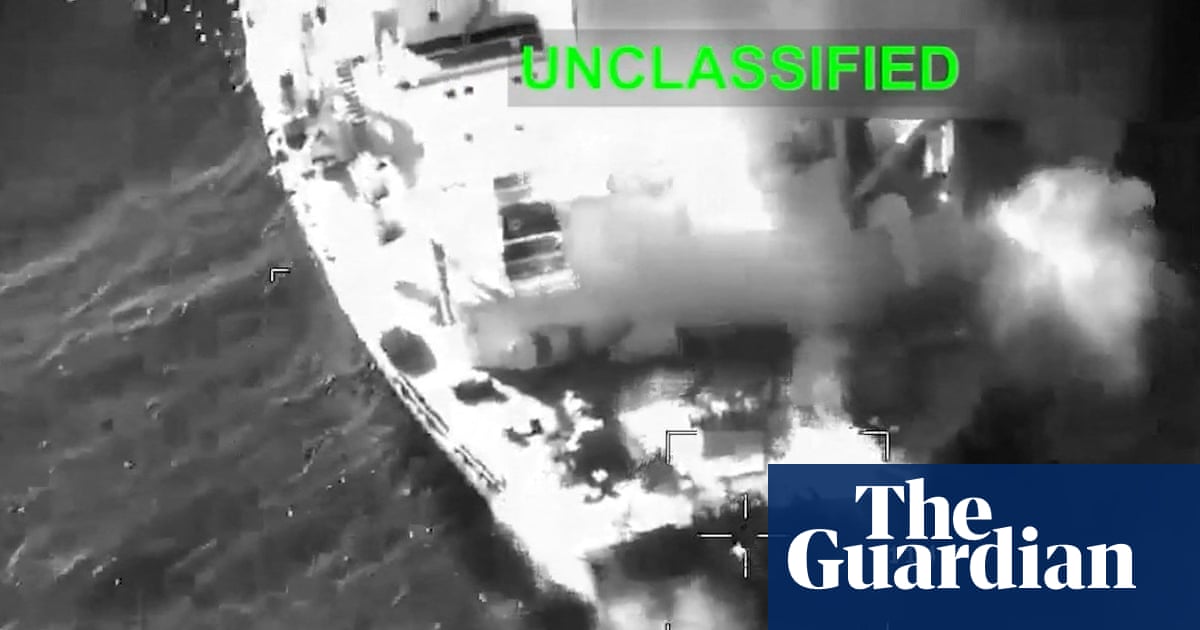
The strikes resulted in significant damage to Iranian maritime assets. Military officials confirmed that two of the targeted oil carriers were permanently disabled, while a third tanker, which was not carrying cargo, was destroyed. The US stated these vessels were part of a covert network designed to finance Iran’s Islamic Revolutionary Guards Corps and its armed proxy groups operating across the region.
Admiral Brad Cooper, head of US Central Command, issued a stern warning alongside the announcement of the strikes. He emphasized that the United States would not hesitate to defend its forces and indicated that destroying Iran’s limited and exposed oil fleet remains an option if necessary. The military also released video footage purportedly showing the execution of the strikes.
The locations of the attacks were spread across key maritime zones. One tanker was hit near Kharg Island, another was struck close to Jask, and the unladen vessel was targeted in the Gulf of Oman. These coordinates align with reports from Iranian media outlets, including Tasnim, which is affiliated with the Revolutionary Guards. Tasnim reported that a US attack occurred near Kharg Island on Saturday morning, noting that the crew had survived and was being evacuated.
This latest confrontation marks a dangerous turn in an on-again, off-again conflict that saw renewed strikes nearly a week after a month of relative calm. The initial hostilities began with US and Israeli attacks in February, leading to a cycle of retaliation and counter-retaliation. Diplomatic efforts to de-escalate the situation have collapsed, leaving military action as the primary dynamic between the adversaries.
The current escalation has also intensified scrutiny regarding previous incidents involving civilian casualties. Iranian officials reported that a US strike on Tuesday hit a wedding celebration in southern Iran, killing four people, including a child, and injuring dozens. When asked about the incident, Vice President JD Vance offered a vague response, stating that sometimes things happen during military operations.
Further attention is being directed toward a controversial attack on February 28 in Minab, which struck a school compound and killed at least 156 people, most of them children. A preliminary US military inquiry suggested the tragedy resulted from a targeting error, where outdated coordinates mistakenly identified the school as part of a nearby Revolutionary Guards naval base. The Pentagon stated it was investigating the incident at the time.
Despite the ongoing investigation into the Minab attack, a full report has not been made public. This lack of transparency, combined with the recent strikes on commercial and military-linked vessels, underscores the volatile nature of the current standoff. As both sides continue to exchange blows, the risk of further unintended casualties and broader regional instability remains high.
The destruction of these tankers represents a tangible shift in US strategy, moving from defensive posturing to active disruption of Iran’s economic infrastructure. By targeting vessels linked to the Revolutionary Guards, Washington aims to degrade the financial capabilities of groups it considers hostile. However, the warning to destroy more of the oil fleet suggests that further aggressive measures are on the table if provocations continue.
With negotiations stalled and military actions intensifying, the path forward remains unclear. The US has demonstrated its willingness to use force to protect its assets and disrupt Iranian operations, while Iran continues to respond with attacks on American forces. The international community watches closely as this cycle of violence threatens to spiral out of control, with significant implications for global energy markets and regional security.
Sources behind this briefing
Go to the original reporting
- The Guardian US↗US military says it struck three Iranian tankers after American warships came under missile attack

