The short version
- US authorities obtained James Chambers’s phone from Spanish courts despite written guarantees it would remain under judicial control during extradition proceedings.
- Chambers, a wealthy activist detained in Madrid, has applied for political asylum to block his transfer to the United States over alleged support for Hamas.
- Defense lawyers have filed an emergency petition demanding the device’s return and a full accounting of its chain of custody and potential US access.
A legal dispute has emerged regarding the handling of personal property in a high-profile extradition case involving James Chambers, a US citizen currently detained in Spain. Chambers’s legal team reports that US federal agents seized his cellphone after Spanish police arrested him in July, an action they contend violates both Spanish law and the bilateral extradition treaty between the two nations. The incident has prompted immediate appeals to Spanish courts, raising questions about diplomatic protocols and the rights of detainees seeking asylum.
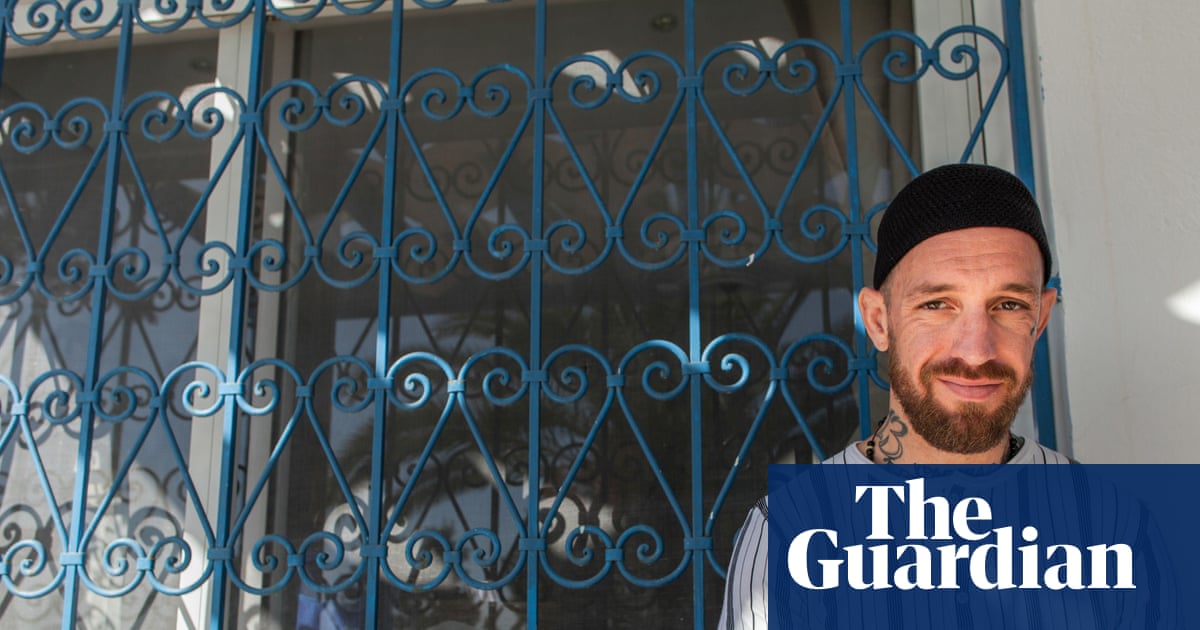
Chambers, known publicly as Fergie Chambers, is the heir to the Cox family fortune, which owns Cox Communications in Atlanta. He severed ties with his family in a settlement that included selling stock worth approximately $250 million in mid-2023. Since then, he has directed funds toward an estimated 100 humanitarian and left-wing projects across 20 countries. His financial independence and public activism have placed him at the center of intense media scrutiny, particularly regarding his donations to groups supporting Palestinians in Gaza, such as the Sameer Project.
The United States is seeking Chambers’s extradition on charges related to alleged support for Hamas, marking the first known instance of the US pursuing a citizen for such accusations. The request also includes charges stemming from a protest against Elbit Systems, an Israeli defense contractor. Chambers and his partner, actor Stella Schnabel, maintain that the prosecution is politically motivated. In response, Chambers has applied for political asylum while imprisoned in Madrid. Under Spanish law, individuals with pending asylum claims cannot be extradited until their applications are fully processed.
The controversy centers on the custody of Chambers’s mobile phone. Attorney Aitor Martínez stated that his team received written assurances from the national court in Madrid that the device would remain under judicial control while the extradition request was resolved. This requirement aligns with both Spanish legal standards and the 1970 extradition treaty, which stipulates that personal effects can only be released to the requesting country if extradition is ultimately granted. Despite these guarantees, Martínez discovered on Tuesday that the phone had been transferred to the FBI without notification to Chambers or his defense counsel.
Martinez described the transfer as unprecedented in his experience with extradition cases, noting that Spanish judicial authorities do not typically surrender control of a detainee’s personal items simply because a foreign government requests them. The defense argues that this secret handover bypasses established due process protections. They have filed a petition with an appeals court demanding the immediate return of the phone and a detailed explanation regarding its chain of custody. The request seeks clarity on who authorized the transfer, when it occurred, and whether US authorities have accessed the device’s contents.
The timing of the seizure remains unclear. Schnabel reported retrieving other personal effects, including keys and identification, from the prison last month. It is uncertain whether the phone had already been surrendered to US agents by that time or if the transfer occurred more recently. Martínez noted that a judge assured him on July 20 that the phone was still in court custody. The discrepancy between this assurance and the current status of the device has fueled allegations that due process was suspended to accommodate FBI requests.
Chambers remains in pre-trial detention after a judge denied a petition for provisional release earlier this month. The ruling cited his significant wealth as a factor making him a flight risk. His public statements have drawn considerable attention, including a post on X shortly after the October 7 attacks by Hamas, in which he characterized Israel’s response as genocide and rejected notions of collective punishment. These comments have been central to the controversy surrounding his case and the political nature of the charges against him.
The Spanish justice system is currently handling the extradition proceedings, a process that could take several months to conclude. Martínez indicated that resolving the phone dispute may require intervention from Félix Bolaños, the Spanish minister of justice. The defense maintains that Chambers’s status as an asylum applicant imposes strict obligations on the court to protect him and withhold information from the country alleged to be persecuting him. The outcome of this legal challenge could set a significant precedent for how extradition treaties are enforced when political asylum claims are involved.
Schnabel expressed little surprise at the developments, characterizing them as consistent with an administration that does not adhere to legal system rules. The case highlights the complex intersection of international law, diplomatic relations, and domestic political activism. As the appeals court reviews the petition for the phone’s return, the broader implications for extradition procedures and detainee rights in Spain remain under scrutiny. The resolution will depend on whether Spanish authorities prioritize treaty obligations or accommodate US investigative demands.
Sources behind this briefing
Go to the original reporting
- The Guardian US Politics↗US seized American heir’s cellphone in violation of treaty agreement, lawyer says