The short version
- New US sanctions freeze assets of ICC President Tomoko Akane and senior trial lawyer Abdoulaye Seye, marking an escalation in Washington's pressure campaign.
- The move has prompted Venezuela and Chad to announce their intent to withdraw from the court, while Japan expresses concern over the impact on international legal norms.
- Human rights organizations have filed a lawsuit challenging the legality of these measures, arguing they shield officials from accountability for serious crimes.
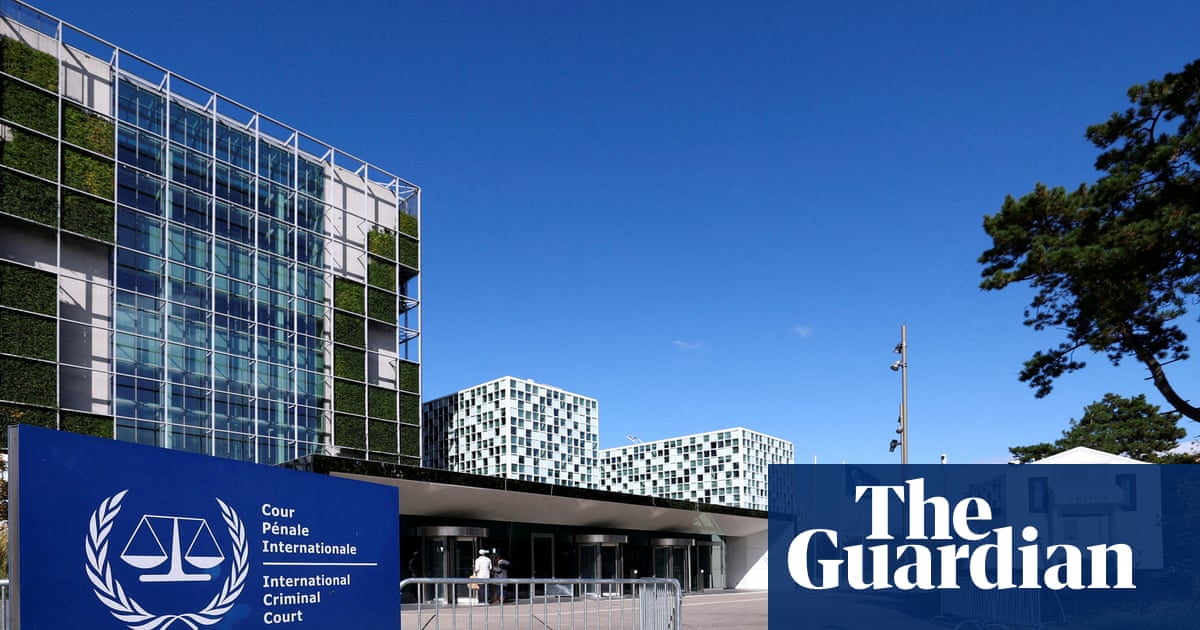
The United States has intensified its diplomatic and financial pressure on the International Criminal Court by imposing new sanctions on two of its highest-ranking officials. The State Department announced that President Tomoko Akane and senior trial lawyer Abdoulaye Seye are now subject to measures that freeze any assets they hold within US jurisdictions or that interact with the American financial system. This action represents a significant escalation in Washington’s ongoing dispute with the Hague-based tribunal, which accuses the court of overstepping its mandate by investigating officials from non-member states, including the United States and Israel.
The sanctions target individuals who are central to the court’s judicial operations. Akane, a Japanese national, leads the institution, while Seye, from Senegal, serves as a key legal figure in trial proceedings. By hitting these specific roles, the Trump administration signals its intent to disrupt the court’s leadership structure rather than merely penalizing peripheral staff. The State Department framed the move as necessary to counter what it describes as a corrupt and politicized supranational body that has maliciously abused its authority.
The immediate practical impact on sanctioned officials is severe, extending beyond political symbolism to daily logistical challenges. Previous targets have reported losing access to credit cards and basic financial services, making routine transactions difficult. One Canadian judge previously sanctioned described how even smart home devices stopped functioning due to payment restrictions. For Akane and Seye, these measures likely restrict their ability to travel to the United States and complicate personal financial management, creating a tangible burden on their professional and private lives.
The International Criminal Court has responded with strong condemnation, labeling the sanctions a flagrant attack on its independence. In a statement, the court emphasized that threatening judicial actors for applying the law places the entire international legal order at risk. Despite the pressure, officials vowed to continue discharging their mandate with impartiality and seeking justice for atrocities worldwide. The court’s oversight body, the Assembly of States Parties, also criticized the move, warning that such escalation risks undermining ongoing investigations and impeding global efforts to ensure accountability for victims.
This latest action is part of a broader strategy announced by Secretary of State Marco Rubio, who described a sweeping campaign to dismantle what he views as a threat to US sovereignty. Rubio has pledged to pressure the court’s 125 member states to withdraw from the institution and to sanction organizations that collaborate with it. The administration argues that the ICC has exceeded its mandate by pursuing cases involving countries that are not signatories to the Rome Statute, thereby violating principles of national sovereignty.
The diplomatic fallout is already visible in shifting alliances within the international community. Venezuela and Chad have recently announced their plans to leave the court, bringing the total number of withdrawals in the past year to five. While it takes a full year for such decisions to be formalized, the trend suggests growing instability in the tribunal’s membership base. These departures weaken the institutional foundation of the court and may embolden other nations to reconsider their commitments.
Allies of the United States have expressed concern over the direction of this policy. Japan, a consistent supporter of the ICC, issued a statement through its foreign ministry describing the sanctions as unfortunate. The government reaffirmed its commitment to strengthening the rule of law internationally while maintaining communication with relevant countries. Opposition leaders in Japan have been more vocal, calling the sanctions outrageous and urging the prime minister’s office to seek their retraction.
Legal challenges are also mounting against the administration’s actions. Human Rights Watch, along with three other organizations, filed a lawsuit in federal court in New York last week. The complaint argues that the executive order targeting the ICC and subsequent sanctions represent a blatantly illegal attack on international justice. The groups contend that these measures are designed to shield American and Israeli officials implicated in serious crimes from accountability, undermining global human rights protections.
As the situation develops, the long-term viability of the International Criminal Court faces unprecedented tests. The combination of financial penalties, diplomatic isolation, and legal challenges creates a hostile environment for the tribunal’s operations. Whether the court can maintain its independence and continue its investigations amidst this coordinated pressure remains uncertain. The coming months will likely see further developments in both the legal battles and the geopolitical landscape surrounding international justice.
The broader implications extend beyond the immediate targets of the sanctions. By challenging the authority of an international judicial body, the United States is reshaping the norms governing global accountability. Other nations may reassess their own positions on international law and cooperation with multilateral institutions. The outcome of this conflict could have lasting effects on how atrocities are addressed and whether justice can be pursued across borders in an increasingly fragmented world order.
Sources behind this briefing
Go to the original reporting
- The Guardian US Politics↗ICC decries latest US sanctions as ‘flagrant attack’ on court’s independence