The short version
- A coalition of four major US human rights organizations has filed a federal lawsuit challenging executive actions that impose sanctions on the International Criminal Court and its affiliates.
- Plaintiffs argue the measures infringe upon First Amendment protections for free speech and association while undermining global efforts to prosecute war crimes and crimes against humanity.
- The legal action follows an escalation in US pressure against the tribunal, including a campaign to encourage member states to withdraw from the court after arrest warrants were issued for Israeli officials.
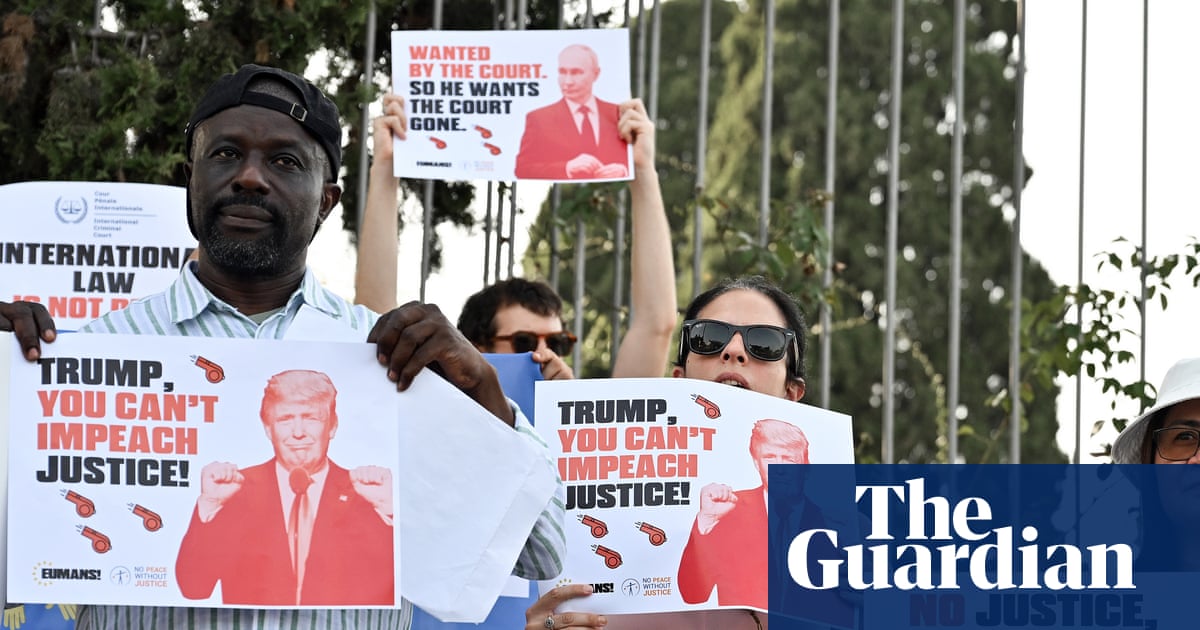
A coalition of four prominent American human rights organizations has initiated federal litigation against the Trump administration, alleging that recent sanctions targeting the International Criminal Court constitute an unlawful assault on international justice mechanisms. The lawsuit, filed in federal court this week, names the American Friends Service Committee, the Center for Constitutional Rights, Human Rights Watch, and the Open Society Institute as plaintiffs. These groups contend that the executive branch’s punitive measures against the tribunal, along with individuals and entities supporting its operations, violate both constitutional guarantees of free expression and association and established obligations under international law.
The legal challenge centers on an executive order issued by President Trump in February 2025, which authorized financial and travel restrictions against ICC officials, judges, and others assisting the court’s investigations. The plaintiffs describe the sanctions regime as crippling, arguing it effectively criminalizes collaboration with the Netherlands-based tribunal. This move represents a significant escalation in longstanding US opposition to the court, a body from which the United States is not a party but has frequently sought to impede through diplomatic and economic pressure.
Tensions between Washington and The Hague intensified markedly after the ICC prosecutor issued arrest warrants in November 2024 for Israeli Prime Minister Benjamin Netanyahu and former Defense Minister Yoav Gallant. These warrants related to alleged crimes committed during the conflict in Gaza, one of eighteen active investigations into war crimes and crimes against humanity overseen by the tribunal. In response, the US government imposed sanctions on ICC prosecutors, judges, three leading Palestinian human rights organizations, and Francesca Albanese, the United Nations special rapporteur on human rights in Palestinian territory.
The diplomatic offensive has expanded beyond targeted individuals to include broader institutional pressure. Earlier this summer, Secretary of State Marco Rubio announced a coordinated campaign aimed at dismantling the court by urging member states to withdraw their participation. The plaintiffs argue that these actions not only deny victims access to justice but also create a climate of fear that suppresses legitimate advocacy and legal representation for those seeking accountability for international crimes.
The practical impact of the sanctions extends well beyond the directly targeted individuals. Those placed under US restrictions have faced travel bans, frozen bank accounts, and denial of access to digital services. Due to the global dominance of American financial and technology infrastructure, these penalties have cascaded internationally, affecting sanctioned parties’ ability to operate in other countries as well. This secondary effect has disrupted humanitarian aid efforts, research initiatives, and collaborative litigation campaigns involving US-based partners.
Legal representatives for the plaintiffs highlight the chilling effect on professional practice. Katherine Gallagher, a senior attorney at the Center for Constitutional Rights who represents victims before the ICC, stated that the threat of severe criminal and civil penalties forced her to cease active practice before the court. She noted that continuing her work as previously conducted could result in prosecution or substantial fines, effectively preventing lawyers from representing certain clients or pursuing accountability in specific venues.
The repercussions for targeted organizations have been severe. Shawan Jabarin, director of Al Haq, one of the Palestinian groups sanctioned for its work with the ICC, reported that the penalties left his organization unable to access bank accounts or process donations. This financial isolation resulted in approximately forty-five staff members going unpaid. Jabarin also described a broader erosion of professional relationships, noting that longtime allies cut formal communications to avoid violating US sanctions, which carry potential punishments including up to twenty years in prison and exorbitant fines.
The lawsuit asserts that the government cannot dictate which clients lawyers may represent or determine which defendants are exempt from accountability. The plaintiffs emphasize that victims of international crimes across various regions, including Sudan, Ukraine, Palestine, and Afghanistan, require an independent and robust ICC to fulfill its mission of ending impunity. They argue that the current administration’s actions undermine this critical function by punishing those who seek to combat injustice through established legal channels.
As of Tuesday, neither the US State Department nor the Justice Department had immediately responded to requests for comment regarding the lawsuit. The case marks a significant test of executive authority in foreign policy matters and raises questions about the limits of using economic sanctions to influence international judicial processes. The outcome could have far-reaching implications for how the United States engages with global human rights institutions and the extent to which domestic legal protections apply to international advocacy work.
The litigation underscores growing tensions between US foreign policy objectives and commitments to international rule of law. While the administration views the ICC’s actions as politically motivated and detrimental to national interests, critics argue that undermining the court weakens global norms against impunity for war crimes and crimes against humanity. The federal court’s decision on this matter will likely influence future diplomatic strategies and legal precedents concerning US involvement in international justice mechanisms.
Sources behind this briefing
Go to the original reporting
- The Guardian US Politics↗Human rights groups sue Trump administration over ‘crippling’ ICC sanctions