The short version
- The United States has revoked the visa of Brazil’s ambassador, marking a sharp escalation in diplomatic tensions between the two nations.
- Washington cites Brasilia’s refusal to approve Daniel Perez as its new ambassador and the denial of visas to US officials as justification for the reciprocal action.
- Brazil condemns the move as political interference aimed at influencing the upcoming presidential election, while the US maintains it is defending its sovereign right to appoint diplomats.
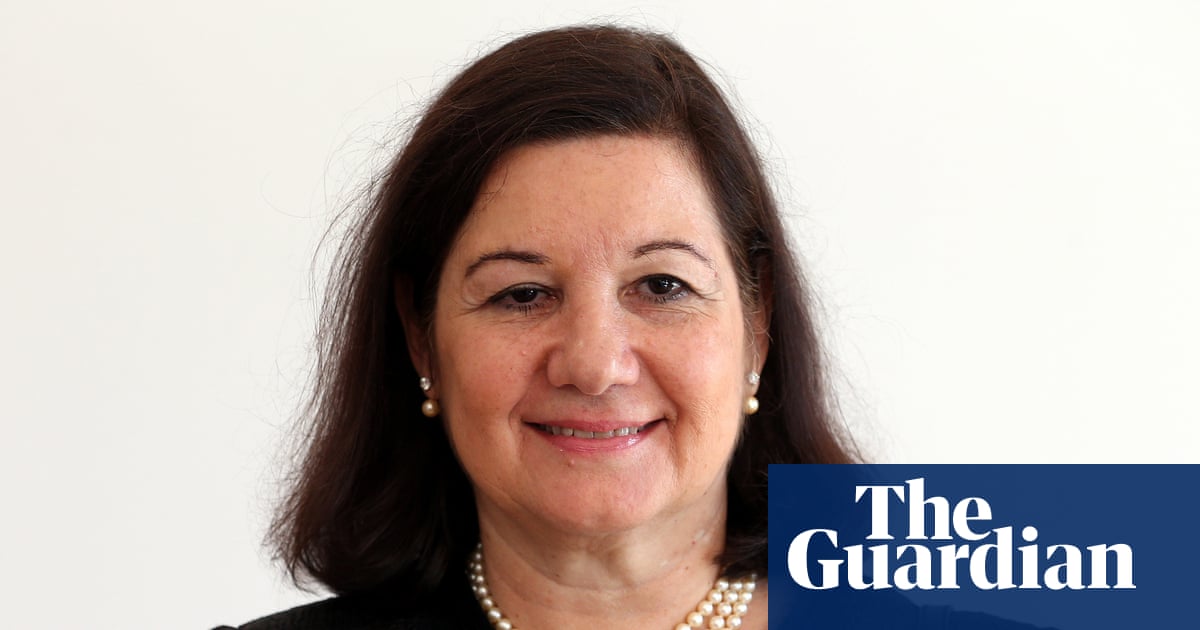
The United States has revoked the visa of Brazil’s ambassador to Washington, signaling a significant deterioration in bilateral relations. The State Department confirmed that Maria Luiza Ribeiro Viotti, a former senior official at the United Nations, had her visa cancelled as a direct response to actions taken by the Brazilian government. This decision represents a notable escalation in an ongoing diplomatic dispute that has intensified over recent weeks, involving disagreements over diplomatic appointments and perceived interference in domestic political processes.
Washington explicitly linked the visa revocation to Brazil’s refusal to approve Daniel Perez, a Florida Republican and close ally of Secretary of State Marco Rubio, as the next US ambassador to Brasilia. A State Department spokesperson described the move as reciprocal, noting that the US had repeatedly urged the Brazilian government to accept the nominee without success. The administration warned that further diplomatic measures could follow if Brasilia continues to withhold approval, though it stopped short of expelling Ambassador Viotti immediately. If she leaves the country, she would be required to reapply for entry.
The dispute is deeply entangled with Brazil’s upcoming presidential election, scheduled for October 4. President Luiz Inácio Lula da Silva is seeking a fourth term, facing Senator Flávio Bolsonaro, the son of former president Jair Bolsonaro. The Brazilian government has accused the United States of attempting to influence the electoral outcome through these diplomatic maneuvers. Lula’s office characterized the visa cancellation as part of a deliberate campaign of hostile measures motivated by ideological opposition rather than standard diplomatic protocol.
Tensions were further inflamed last month when Brazil denied visas to Riley Barnes, the assistant secretary of state for democracy, human rights, and labor, along with a senior aide. These officials had planned to visit Brasilia to discuss election integrity, religious freedom, and expression. The US State Department dismissed Brazilian claims that the visit was an attempt to undermine the democratic process, calling such insinuations baseless. Washington maintained that the trip was routine and focused on standard diplomatic engagements.
Brazil has defended its decision to block the US officials, arguing that their presence would cast unwarranted doubt on the integrity of Brazil’s electronic voting system. This issue is particularly sensitive given the history of false claims regarding electoral fraud made by former President Jair Bolsonaro and his supporters. Bolsonaro was barred from running for office after being convicted of plotting to overturn his 2022 election defeat, making any external scrutiny of the voting process a flashpoint in the current campaign.
The diplomatic row also highlights broader disagreements between the Trump and Lula administrations on regional politics. The two governments have diverged sharply on issues including Venezuela, Cuba, and the role of the United States in Latin America. While President Trump has frequently intervened in political contests across the region, President Lula has emphasized national sovereignty as a central theme of his re-election bid. Although Lula has blamed Secretary Rubio for some of the administration’s actions, he has sought to avoid a direct personal confrontation with Trump, noting that their initial meetings were cordial.
Economic pressures have compounded the diplomatic strain. The Trump administration has imposed tariffs of up to 37.5% on thousands of Brazilian exports, citing unfair trade practices and alleged failures to prevent forced labor. The Brazilian government has rejected these allegations, accusing Washington of using economic leverage to support Bolsonaro’s political family. Additionally, the US has classified two major Brazilian drug-trafficking organizations as foreign terrorist entities, a move opposed by Lula’s administration.
Despite the heightened tensions, the State Department indicated a desire to restore normal relations with Brasilia. The visa revocation remains contingent on Brazil’s stance regarding Ambassador Perez; acceptance of his appointment could lead to the restoration of Viotti’s visa. However, with the election approaching and both sides digging in on their respective positions, the likelihood of a quick resolution appears low. The situation underscores the complex interplay between diplomatic protocol, domestic politics, and international relations in an era of heightened geopolitical competition.
Sources behind this briefing
Go to the original reporting
- The Guardian US Politics↗US revokes Brazil ambassador’s visa in escalation of diplomatic feud