The short version
- United States military personnel relocated refueling tankers from RAF Mildenhall to Germany and other locations after receiving intelligence indicating a likely terrorist threat.
- The security posture at two British airbases was raised to Force Protection Condition Charlie, the second-highest alert level in the US Department of Defense system.
- This movement follows the earlier withdrawal of B-1 bombers from RAF Fairford after arrests linked to Iranian intelligence disrupted operations there.
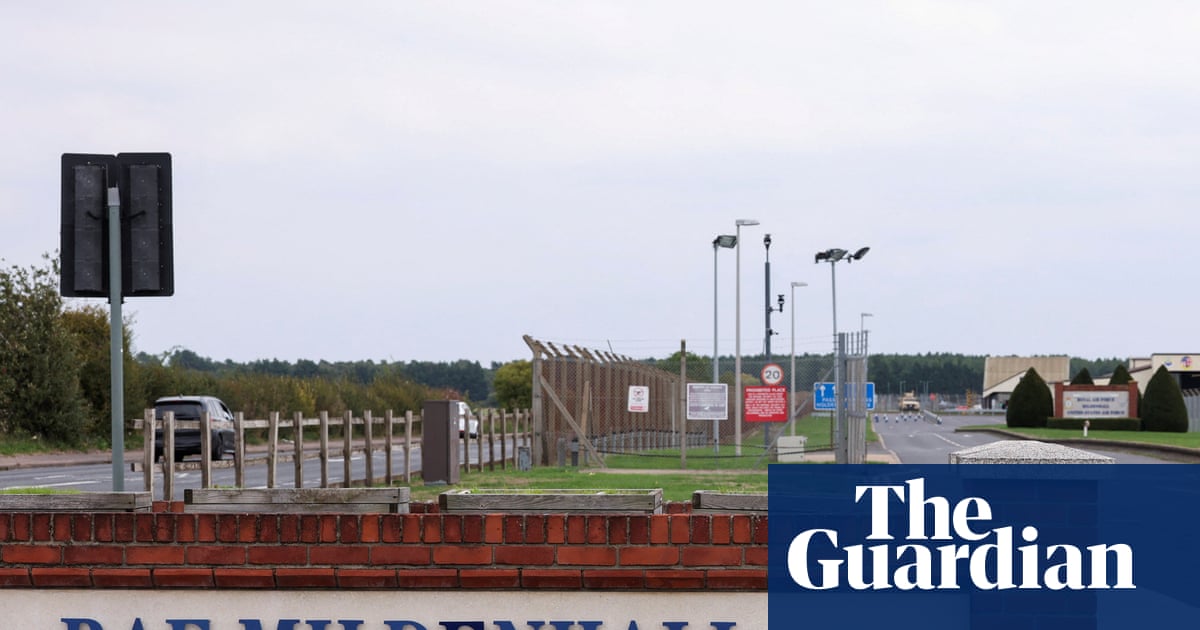
United States military forces have moved aircraft away from a key British airbase following reports of an emerging security threat linked to Iran. The relocation involves refueling tankers stationed at RAF Mildenhall in eastern England, which were diverted to Germany and other locations earlier this week. This action represents a significant escalation in defensive measures by American forces in Europe, occurring just weeks after Washington withdrew strategic bombers from another UK base due to similar security concerns.
Intelligence assessments prompted the decision to move assets from Mildenhall. According to reports citing individuals familiar with the matter, US officials determined that a form of terrorist action was likely, leading to the upgrade of the security posture at both RAF Mildenhall and nearby RAF Lakenheath. The bases were placed under Force Protection Condition Charlie, which is the second-highest defensive threat level within the US Department of Defense framework. This status indicates that specific intelligence suggests an imminent or probable attack, necessitating enhanced protective measures for personnel and equipment.
The precise nature of the threat targeting Mildenhall remains unclear to the public. US officials are currently discussing the details internally, and no specific plot has been publicly disclosed. The movement of aircraft began with two refueling tankers diverting to Germany on Monday morning. Later that same day, several additional tankers stationed at the base were relocated to various other sites. These logistical shifts reflect a broader strategy to disperse high-value assets in response to heightened risk assessments.
This incident follows closely on the heels of a separate security breach at RAF Fairford in southwestern England. In September, five men were arrested outside the Fairford base in connection with a security incident. Two additional individuals were later detained on suspicion of assisting Iranian intelligence services. The circumstances surrounding that event have drawn significant international attention and remain largely unexplained to the public. The arrests prompted the US military to remove its B-1 bombers from Fairford on security grounds, citing the need to protect strategic assets.
RAF Fairford had previously served as a launch point for US bombers conducting strikes against targets in Iran. The disruption of operations there has raised questions about the vulnerability of Western military infrastructure in Europe. British Prime Minister Andy Burnham stated last month that the activity at Fairford was likely coordinated by Iranian actors. While Tehran’s ambassador to Britain has denied any involvement in plots against the airbase, Iran’s Revolutionary Guards have previously declared that Fairford and other bases used to launch attacks against Iran are legitimate military targets.
Official responses from government bodies have been cautious and limited. A spokesperson for the British Ministry of Defence declined to comment on the specific movements, noting that aircraft and assets rotate regularly according to operational requirements. The US Air Force also refrained from providing detailed explanations regarding the relocation of assets from Mildenhall, stating that aircraft move between installations for a variety of reasons. Neither the White House, the Pentagon, nor the US European Command responded immediately to requests for comment outside of regular business hours.
The timing of these events underscores the ongoing tension between the United States and Iran. The war between the two nations has heightened concerns about security implications for Western states, particularly regarding intelligence operations and potential retaliatory actions. The rapid succession of withdrawals from UK bases suggests a coordinated effort by Iranian intelligence to disrupt American military capabilities in Europe. US officials are likely evaluating the broader strategic impact of these incidents on their operational planning.
As investigations continue, the focus remains on securing remaining assets and understanding the scope of the threat. The upgrade to Force Protection Condition Charlie indicates that US commanders believe the risk is substantial enough to warrant immediate action. While no attack has occurred at Mildenhall, the precautionary measures reflect a serious assessment of current intelligence. The situation highlights the challenges of maintaining forward-deployed forces in regions where adversarial intelligence activities are active.
Future developments will depend on further intelligence gathering and diplomatic exchanges. The US military may continue to adjust its presence in Europe based on evolving threat levels. British authorities are likely cooperating with American counterparts to investigate the origins of the threats and prevent future incidents. The stability of US-UK defense cooperation remains a priority, but these events test the resilience of shared infrastructure against sophisticated intelligence operations.
Observers note that the dispersal of assets does not necessarily indicate a permanent withdrawal from the region. Instead, it may represent a tactical adjustment to mitigate risk while maintaining operational flexibility. The ability to rotate aircraft and personnel quickly is a key component of modern military strategy. As the situation unfolds, the focus will remain on ensuring the safety of service members and the integrity of critical defense installations in the United Kingdom.
Sources behind this briefing
Go to the original reporting
- The Guardian US↗US reportedly evacuated aircraft from RAF Mildenhall over Iran threat


