The short version
- Four people were killed in a recent US military strike on a suspected drug smuggling vessel in the Caribbean Sea.
- The total death toll from such strikes has risen to at least 227 since the campaign began nearly a year ago.
- Critics and international bodies question the legal basis of the operations, noting that most cocaine enters via the Pacific and fentanyl arrives overland.
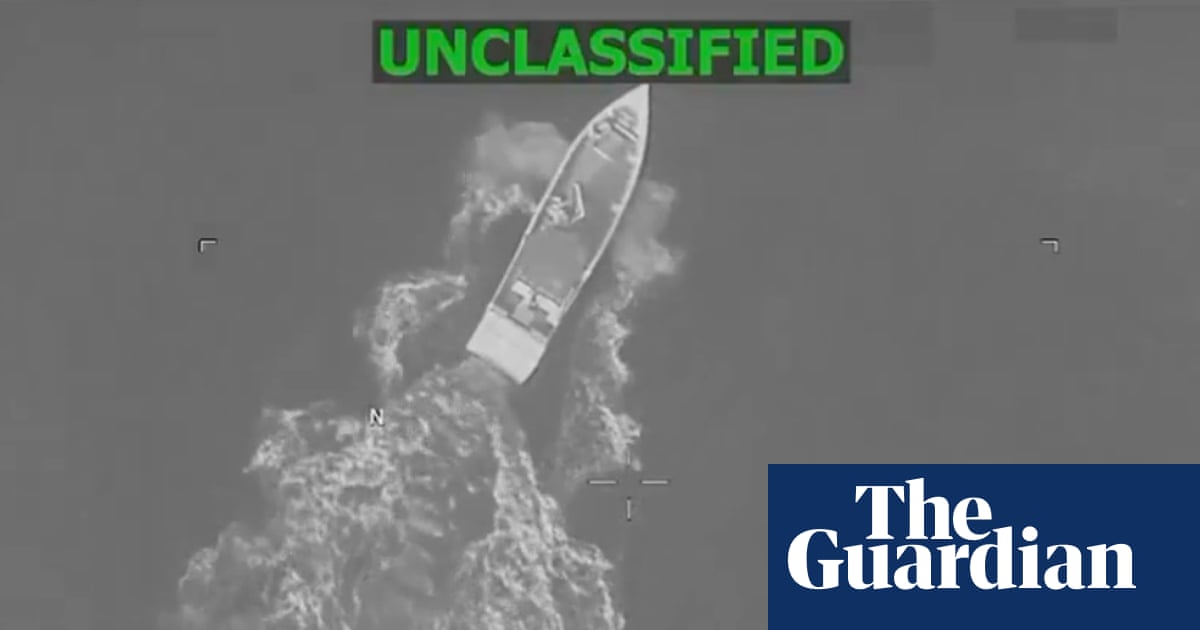
The United States military conducted another lethal strike against a suspected drug trafficking vessel in the Caribbean Sea on Tuesday, killing four individuals. This operation marks the continuation of a controversial enforcement campaign initiated by the Trump administration almost a year ago, which targets groups labeled as narcoterrorists. The attack occurred just two days after a similar strike in the eastern Pacific Ocean that resulted in two deaths, ending a pause in such operations that had lasted more than two months.
According to US Southern Command, the targeted vessel was operating along known smuggling routes. However, the military did not provide specific evidence demonstrating that this particular boat was carrying narcotics at the time of the strike. A video posted on social media platform X appeared to show a moving boat followed by an explosion, consistent with the military’s description of the event. This pattern of limited transparency has become characteristic of the administration’s reporting on these maritime engagements.
The cumulative impact of this campaign is significant. The latest incident brings the total number of people killed in US military boat strikes to at least 227 across 68 documented operations. These figures have drawn sharp criticism from the United Nations and various humanitarian organizations, which have condemned the actions as extrajudicial killings. The rapid escalation in fatalities has raised serious questions about the proportionality and legal justification of using lethal force against suspected smugglers without formal judicial proceedings.
Skeptics argue that the strategic effectiveness of these maritime strikes is questionable given established drug trafficking patterns. Data from a 2020 report by the US Drug Enforcement Administration indicates that the vast majority of cocaine entering the United States arrives through the Pacific Ocean, accounting for 74 percent of shipments. In contrast, only 8 percent comes via fast boats from the Caribbean region. Furthermore, critics point out that fentanyl, the substance behind many fatal overdoses in the US, is typically trafficked overland from Mexico, where it is produced using precursor chemicals imported from China and India.
Despite these logistical realities, President Donald Trump has characterized the situation as an armed conflict with Latin American cartels. He has justified the escalation of military force as a necessary measure to stem the flow of drugs into the country and reduce overdose deaths among Americans. However, the administration has offered little concrete evidence to support its claims regarding the specific identities or activities of those killed in these strikes, leaving the public reliant on official statements that often lack detailed verification.
The scope of the US offensive appears to be expanding beyond maritime borders. Defense Secretary Pete Hegseth stated during a recent visit to Panama that Colombia, Guatemala, and Honduras had agreed to allow joint military operations against criminal groups on their soil. This assertion aims to broaden the geographic reach of the anti-drug campaign into multiple Latin American nations. However, the accuracy of these diplomatic claims is disputed; Guatemala has explicitly denied reaching any such agreement with the United States.
Ecuador has already engaged in similar missions with US forces since March, suggesting a patchwork of international cooperation rather than a unified regional strategy. The divergence in official statements between Washington and certain partner nations highlights the diplomatic complexities involved in extending military operations onto foreign soil. As the administration pursues these deals, the lack of consensus among allied governments may complicate future efforts to coordinate cross-border enforcement actions.
The ongoing debate centers on whether militarized approaches can effectively address the root causes of drug trafficking and addiction. While the administration frames these strikes as a direct response to public health crises, critics maintain that they fail to address the land-based supply chains that dominate the market. The rising death toll and legal controversies surrounding these operations suggest that the strategy faces mounting pressure from both international human rights advocates and domestic policy experts who question its long-term viability.
As the campaign continues, the focus remains on the balance between national security objectives and adherence to international law. The absence of clear evidence linking specific strikes to significant reductions in drug availability or overdose rates leaves the efficacy of the program open to doubt. Future developments will likely hinge on whether the US can secure broader international support for its expanded operations while addressing the legal and ethical concerns raised by the high number of fatalities.
The situation underscores a broader tension in US foreign policy regarding the use of military force for domestic law enforcement objectives. With no immediate signs of de-escalation, the Caribbean and Pacific regions remain active theaters for these controversial operations. The coming months will be critical in determining whether the administration can substantiate its claims of success or if the campaign will face increased legal challenges and diplomatic friction.
Sources behind this briefing
Go to the original reporting
- The Guardian US↗US military kills four in strike on alleged drug smuggling boat in Caribbean

