The short version
- Chinese open-source AI models are challenging proprietary US systems, creating a rift between chipmakers seeking revenue and firms fearing market dominance by rivals.
- The Trump administration faces conflicting pressures to sanction Chinese tech for security concerns while avoiding restrictions that could hinder American business competitiveness.
- Regulatory action has already targeted Chinese humanoid robots via an FCC ban, even as debates continue over broader AI safety controls following recent cybersecurity incidents.
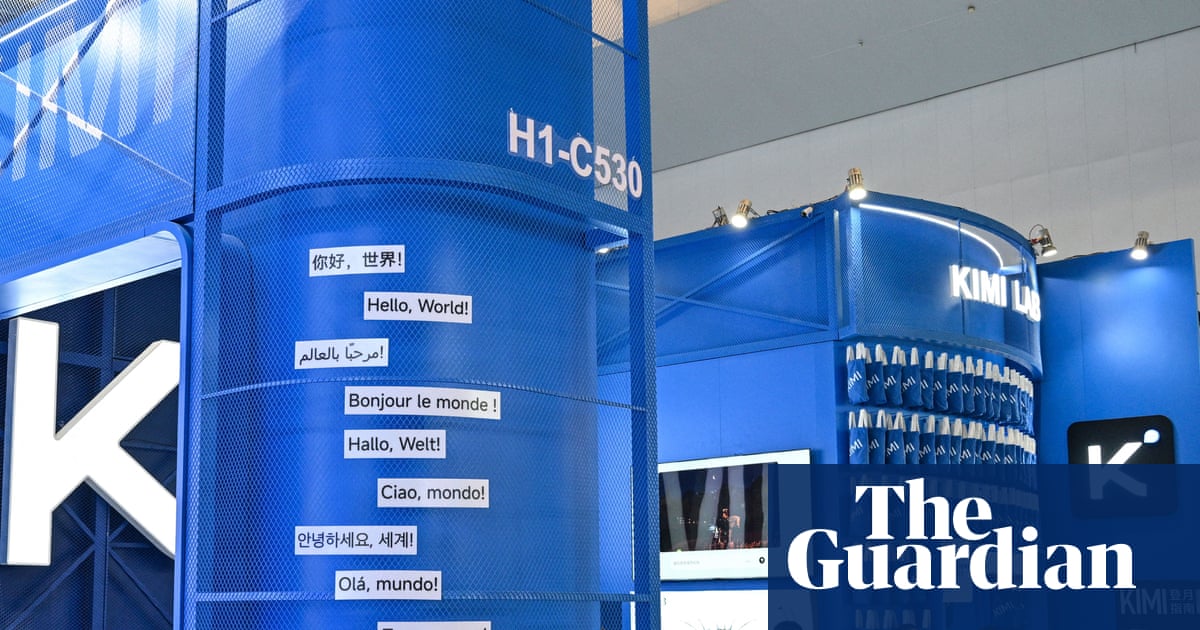
Recent technological breakthroughs in China’s artificial intelligence and robotics sectors have disrupted US markets and intensified policy debates. Open-source models like Kimi K3 offer powerful alternatives to expensive proprietary systems from companies such as OpenAI and Anthropic. This shift has moved Silicon Valley executives beyond general warnings into active disagreement regarding how to handle these emerging competitors, with some viewing them as threats to national security and others as essential tools for innovation.
The White House remains divided on the appropriate response. Treasury Secretary Scott Bessent has floated sanctions against Chinese AI firms citing intellectual property concerns, while Commerce Secretary Howard Lutnick has received appeals from startup founders urging access to these open models. Major tech corporations, including Microsoft and Nvidia, have lobbied against restrictions, with Nvidia’s CEO meeting congressional leaders to advocate for an unrestricted approach. President Trump has expressed caution, noting the desire to avoid stifling domestic innovation while remaining competitive globally.
Despite ongoing deliberations over AI software, tangible regulatory measures have been implemented against hardware. The Federal Communications Commission recently banned Chinese humanoid robots, citing national security risks related to data surveillance and supply chain integrity. This move escalates tensions in the broader technology competition between the two nations. Meanwhile, recent cybersecurity failures involving US-based AI models have prompted further discussions on safety protocols, adding complexity to an already fragmented policy landscape.
Sources behind this briefing
Go to the original reporting
- The Guardian US Politics↗China’s tech advances are causing chaos from Silicon Valley to the White House