The short version
- The United States is currently constructing twice as much gas-fired power capacity as China, driven by a surge in datacenter development for artificial intelligence.
- Total US gas projects under construction or announced have risen by fifty percent since January, representing a third of the global total and locking in significant future emissions.
- Local communities are increasingly resisting new facilities due to concerns over water usage, rising electricity costs, and environmental impact, leading to some regional bans.
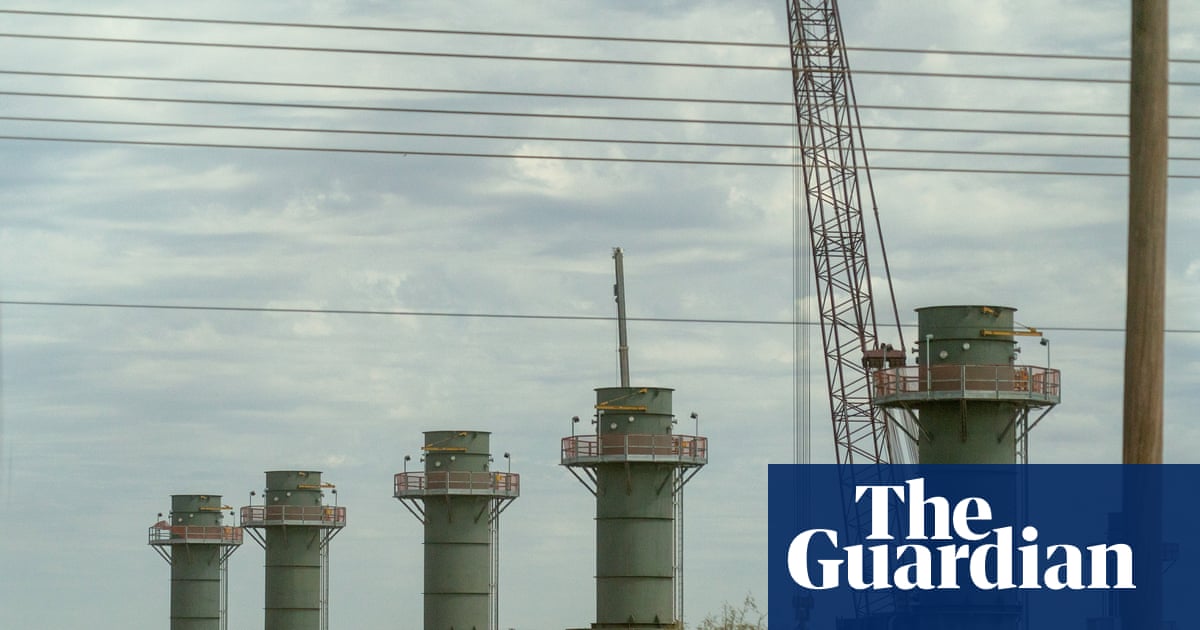
The United States has overtaken China as the world’s largest builder of new gas-fired power generation capacity, a shift driven by an intense rush to construct datacenters for artificial intelligence. According to a recent analysis by Global Energy Monitor, the US is now developing twice as much gas infrastructure as its Asian counterpart. This marks a significant reversal from previous decades, during which China’s rapid economic expansion consistently outpaced American additions in fossil fuel power plants.
The scale of this construction boom is substantial. Data indicates that gas power capacity in various stages of development within the US has increased by fifty percent since January, rising from 252 gigawatts to 378 gigawatts. This volume accounts for approximately one-third of all such projects globally. If every announced and pre-construction project proceeds to completion, the nation’s gas fleet would expand by roughly two-thirds, requiring capital investments exceeding $647 billion.
Artificial intelligence demands are the primary catalyst for this infrastructure surge. Approximately half of the new capacity is directly linked to upcoming datacenters that require massive amounts of electricity to process AI workloads. Analysts warn that relying on natural gas, a fossil fuel contributing significantly to global warming, rather than renewable energy sources, could increase US power sector emissions by up to twenty percent. This trajectory locks in decades of pollution and establishes long-term dependence on volatile fuel markets.
The shift has broader geopolitical and economic implications. For years, political discourse often centered on China’s role as the world’s largest carbon emitter, with arguments suggesting that US emissions cuts were futile if other nations continued to expand fossil fuel use. However, current trends show US spending on coal and gas power plants is projected to outstrip Chinese investment for the first time in decades. This change coincides with China’s accelerated adoption of clean energy technologies and regulatory adjustments in the United States.
The rapid pace of construction has created supply chain bottlenecks. Tech giants including Google, Amazon, and OpenAI are competing to build facilities, leading to a backlog of high-efficiency gas turbines. In response, some companies, such as Elon Musk’s xAI, have pivoted to smaller, less efficient turbine models. These alternative units tend to produce higher levels of pollution, exacerbating the environmental concerns associated with the datacenter boom.
Public sentiment is shifting against this infrastructure expansion. A recent poll indicated that three-quarters of Americans oppose living near a datacenter, reflecting a sharp increase in resistance over the past year. Concerns extend beyond climate impact to include rising utility bills, tax incentives for tech corporations, and water scarcity. Notably, two-thirds of the more than 800 planned datacenters are situated in regions already experiencing drought conditions.
Local governments are beginning to act on this opposition. Dozens of cities and counties have implemented restrictions on new datacenter development. In July, New York became the first state to enact a temporary ban on permitting and construction for hyper-scale facilities. These measures highlight the tension between federal encouragement of tech growth and local priorities regarding resource management and community impact.
Despite growing backlash, federal leadership continues to champion datacenter expansion. The administration has moved to eliminate environmental reviews to accelerate project timelines, arguing that these facilities bring jobs and significant tax revenue to host communities. Officials have suggested that municipalities refusing such developments are making strategic errors, as demand remains high. This stance may face political challenges in upcoming midterm elections, particularly in areas where residents prioritize environmental stability over industrial growth.
The situation presents a complex policy dilemma. While the economic benefits of AI infrastructure are clear, the environmental costs and local disruptions are mounting. The reliance on gas power for these facilities contrasts with broader global trends toward decarbonization. As construction continues, the balance between technological advancement and sustainable energy practices remains a critical point of contention.
Future developments will likely depend on how regulatory frameworks adapt to this new reality. Whether through stricter local zoning laws, federal policy shifts, or changes in corporate procurement strategies, the path forward will determine the long-term impact on both the climate and the energy market. The current surge represents a pivotal moment in the intersection of technology, energy policy, and environmental stewardship.
Sources behind this briefing
Go to the original reporting
- The Guardian US↗US building twice as much gas-fired capacity as China in AI boom, analysis finds

