The short version
- The United States has formally invited Vladimir Putin to attend the G20 summit in Miami this December, signaling a significant reversal in American policy toward Russia.
- European leaders and Ukraine have expressed concern regarding the invitation, citing recent Russian hybrid attacks and continued military aggression against Ukrainian cities.
- President Trump is pursuing an energy-focused ceasefire deal that involves halting strikes on Russian oil facilities, a proposal met with skepticism by Kyiv amid ongoing drone assaults.
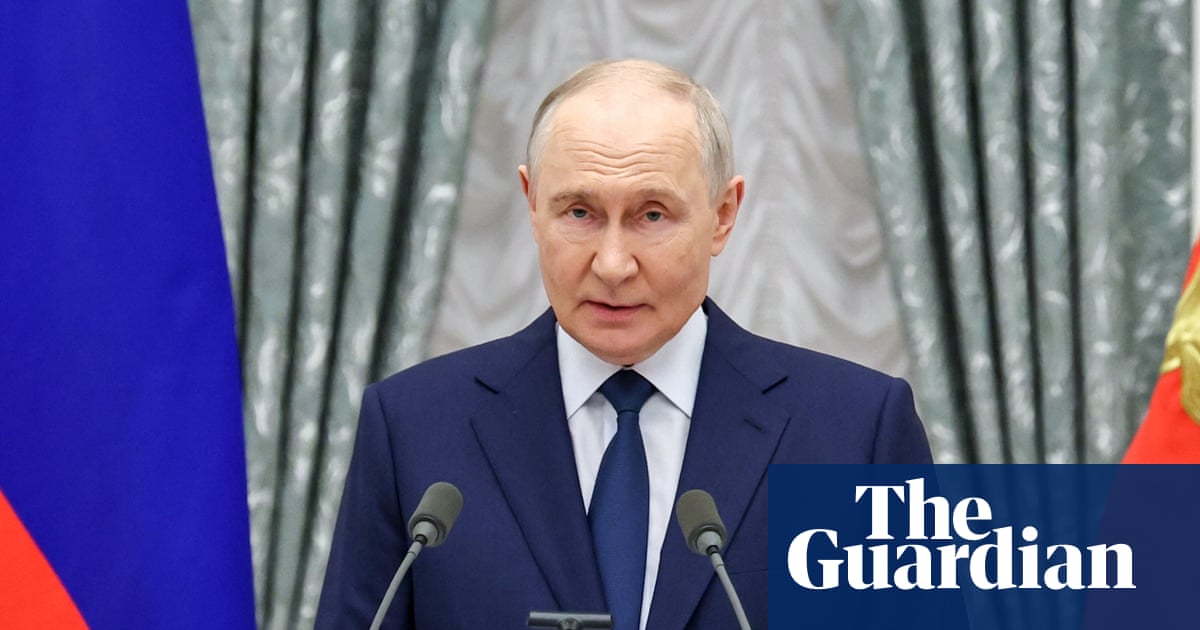
The United States has issued a formal invitation to Vladimir Putin to participate in the upcoming Group of Twenty summit scheduled for December in Miami. This development represents a notable shift in American foreign policy, moving away from the strategy of isolating the Russian leader that characterized previous administrations. Marco Rubio, the US secretary of state, announced the outreach during a press conference at the United Nations headquarters in New York. He stated that the administration views the gathering as a chance for Putin to engage with President Trump and other global leaders, expressing hope that Moscow will accept the offer.
The invitation has drawn immediate scrutiny from European partners and Ukrainian officials who remain deeply concerned about Russia’s actions. These allies have recently accused Moscow of launching hybrid operations designed to disrupt logistics and sow political instability among Kyiv’s supporters in Europe. The decision to extend an invite follows a controversial move in August, where Russian Finance Minister Anton Siluanov was included in meetings with top economic officials from the G20. That inclusion caused friction, leading European representatives to refuse participation in group photographs with him.
Vladimir Putin has not physically attended a G20 summit since 2019, though he joined one session virtually in 2023. Russia remains a member of the forum despite its invasion of Ukraine in 2022. The upcoming meeting is set to take place at the Trump National Doral golf club. Rubio emphasized that President Trump is willing to meet with virtually anyone if there is a clear purpose behind the engagement. He noted that solving international problems often requires dialogue with adversaries, even when fundamental disagreements exist.
Ukrainian President Volodymyr Zelenskyy has indicated he would be prepared to travel to the summit and engage directly with Putin if the Russian leader attends. In an interview with German broadcaster Deutsche Welle, Zelenskyy stressed that results matter more than rhetoric. He argued that both sides must come together to speak and make decisions, regardless of what each party intends to say. This stance comes as Zelenskyy prepares to address the United Nations General Assembly, where he is expected to rally public opinion to maintain pressure on Russia to end the war.
The diplomatic maneuvering occurs against a backdrop of intensifying violence. Kyiv has faced severe attacks from jet-powered Shahed drones, which are faster and more difficult to intercept than earlier models. These strikes have occurred both day and night since mid-August, disrupting daily life, schools, and kindergartens in the capital. On Wednesday morning, explosions rocked central Kyiv, causing black smoke to fill the sky. Mayor Vitali Klitschko reported damage to a petrol station, warehouses, a business center, and transport infrastructure. At least one person died and eight were injured in the early morning barrage.
President Trump is currently negotiating a partial ceasefire proposal that includes halting attacks on Russian oil refineries. The goal is to ease pressure on global energy prices, particularly diesel fuel costs in the United States, which have nearly doubled compared to last year ahead of congressional midterm elections. Trump has urged Zelenskyy to stop striking Russian oil facilities as part of this arrangement. However, Russia has continued its bombardment of Ukrainian cities, including a major drone and missile assault on Kyiv over the weekend.
Tensions remain high despite diplomatic efforts. Congress recently passed a comprehensive sanctions bill against Russia, granting Trump authority to impose tariffs of up to 100 percent on certain goods. This legislative action contrasts with the administration’s outreach to Moscow. Rubio mentioned discussing accusations of hybrid attacks in Europe with Russian Foreign Minister Sergei Lavrov, noting concerns that the conflict could spread to other regions. The Kremlin has not yet responded publicly to the G20 invitation.
The path forward remains uncertain as direct meetings between Zelenskyy and Putin have been declined by Moscow in the past. While Trump seeks an energy-focused truce, the reality on the ground shows no signs of de-escalation. Ukrainian forces recently launched their largest attack yet on Russian territory, targeting a major oil refinery near the capital. The juxtaposition of high-level diplomatic invitations and continued military aggression highlights the complex and contradictory nature of current international relations regarding the war in Ukraine.
Sources behind this briefing
Go to the original reporting
- The Guardian US Politics↗‘We hope he’ll accept’: US invites Putin to G20 summit at Trump golf club