The short version
- The United States has imposed new sanctions on Tomoko Akane, president of the International Criminal Court, and Abdoulaye Seye, a senior trial lawyer.
- State Department officials cited the court's alleged abuse of authority and lack of jurisdictional consent from non-member states as justification for the measures.
- This action follows previous US sanctions against ICC prosecutor Karim Khan and broader penalties levied against the institution by the Trump administration in 2025.
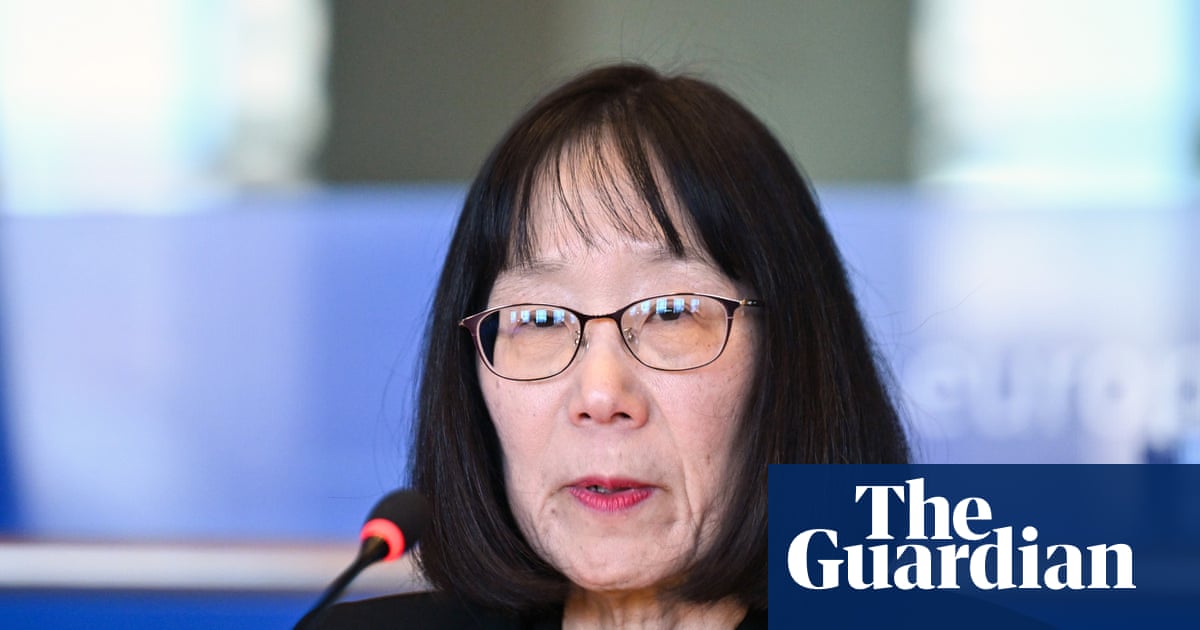
The United States government has announced new economic sanctions targeting two high-ranking officials of the International Criminal Court, marking a significant escalation in Washington’s diplomatic confrontation with the Hague-based tribunal. Marco Rubio, serving as US secretary of state, unveiled the measures on August 18, 2026, designating Tomoko Akane, the court’s president from Japan, and Abdoulaye Seye, a senior trial lawyer from Senegal. The move signals a deepening rift between the US administration and international judicial bodies regarding their jurisdiction over conflicts involving American allies.
Rubio characterized the International Criminal Court as a corrupt and fatally politicized supranational entity that has maliciously abused its authority. In his statement, he argued that the institution had exceeded its mandate by pursuing cases against officials from governments that have not consented to ICC jurisdiction. The sanctions are framed by US officials as a necessary response to what they describe as illegitimate actions targeting both the United States and its close ally, Israel.
The specific grounds for sanctioning Akane and Seye relate to their direct engagement in efforts to investigate, arrest, detain, or prosecute individuals whose governments do not recognize the court’s authority. While Rubio did not detail the exact activities undertaken by each official, reports from Israeli media indicate that Seye is overseeing an investigation into Israeli funding for illegal settlements and the distribution of weapons to settlers in the West Bank. This focus on settlement-related activities represents a broadening of the scope beyond the immediate conflict in Gaza.
These new designations build upon a series of punitive measures taken by the US against the ICC in recent years. In 2025, former President Donald Trump issued an executive order sanctioning the court itself, citing baseless actions that targeted America and Israel. Additionally, Karim Khan, a prominent ICC prosecutor who had investigated Israeli Prime Minister Benjamin Netanyahu and former Defense Minister Yoav Gallant for war crimes during the Gaza war, was previously sanctioned by the US government. The current actions extend this pressure from individual prosecutors to the highest levels of court leadership.
The timing of these sanctions coincides with heightened tensions regarding potential further legal actions against Israeli officials. In May, Israeli officials warned local media outlets that the ICC might seek five additional arrest warrants for ministers and senior military personnel involved in violence against Palestinians in the West Bank. The prospect of expanded indictments appears to have influenced the US decision to target key figures within the court’s operational structure, aiming to disrupt or deter further proceedings.
The diplomatic fallout from these sanctions is likely to be substantial, given the ICC’s role as a cornerstone of international criminal justice. By sanctioning the president of the court, the US is directly challenging the institutional integrity and independence of the tribunal. Critics of the move may argue that such actions undermine the rule of law and set a dangerous precedent for political interference in judicial processes. Supporters, however, view the sanctions as a legitimate defense of national sovereignty and alliance commitments.
The impact on ongoing investigations remains uncertain. While sanctions can impose significant personal and professional burdens on targeted individuals, they do not necessarily halt legal proceedings within the ICC. The court may continue its work despite the pressure, potentially leading to further isolation from Western powers or increased reliance on support from other member states. The situation highlights the complex interplay between international law and geopolitical interests.
Looking ahead, the US stance suggests a continued hardline approach toward any international judicial actions perceived as hostile to American or Israeli interests. Other nations may face pressure to align with Washington’s position or risk similar repercussions. The long-term implications for the ICC’s credibility and effectiveness will depend on how other countries respond to these escalating tensions and whether alternative mechanisms for accountability emerge in the absence of cooperation from major powers.
As the dust settles on this latest development, the international community is left to grapple with the consequences of a fractured global legal order. The sanctions against Akane and Seye are not merely administrative penalties but symbolic gestures that reflect deeper ideological divides over justice, sovereignty, and accountability in times of conflict. The coming months will reveal whether these measures achieve their intended deterrent effect or instead galvanize further resistance from international legal institutions.
Sources behind this briefing
Go to the original reporting
- The Guardian World↗US to sanction the president and a prosecutor of international criminal court

