The short version
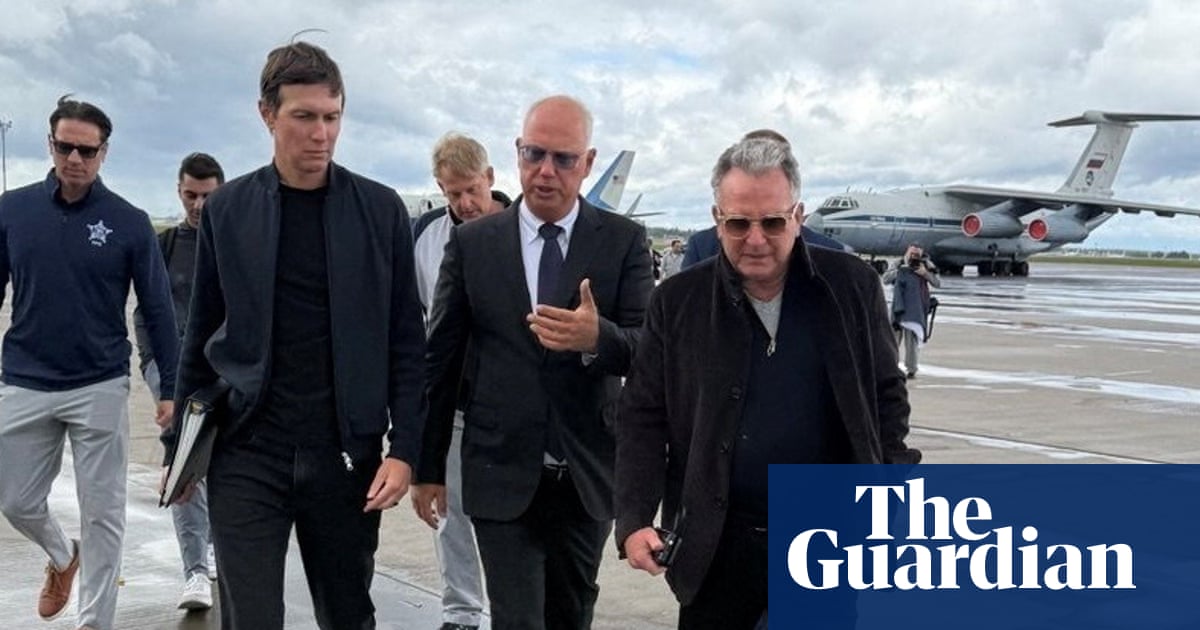
- American envoys Steve Witkoff and Jared Kushner have arrived in Moscow to attempt to restart negotiations for ending the war in Ukraine.
- Both Kyiv and Moscow have agreed to halt airstrikes during the visit, with the Kremlin ordering a seventy-two-hour pause on strikes against the Ukrainian capital.
- Significant obstacles remain, including Russia's demand that Ukraine cede four regions and abandon NATO aspirations, positions that Ukraine finds unacceptable.
American diplomatic efforts to conclude the war in Ukraine have entered a new phase with the arrival of envoys Steve Witkoff and Jared Kushner in Moscow. The two officials, who were received at the airport by Russian presidential envoy Kirill Dmitriev, are expected to hold discussions with President Vladimir Putin later in the day. This visit marks a renewed push by the Trump administration to secure a settlement after previous initiatives yielded limited progress over recent months.
To facilitate these talks, both parties have agreed to a temporary cessation of aerial attacks. Ukrainian President Volodymyr Zelenskyy announced that Kyiv would suspend its airstrikes during the envoys' presence in Russia and requested reciprocal action from Moscow. The Kremlin confirmed this arrangement, with spokesperson Dmitry Peskov stating that Putin had ordered a seventy-two-hour halt to strikes targeting Kyiv. This pause aims to create a safer environment for dialogue and potential travel between the two capitals.
Despite the diplomatic overture, substantial gaps remain between the warring nations regarding the terms of any potential peace deal. The Kremlin has reiterated its longstanding position, originally outlined by Putin two years ago, which requires Ukraine to relinquish control of four regions currently claimed by Russia and permanently exclude itself from joining NATO. These conditions are fundamentally incompatible with Ukrainian sovereignty and security goals, making them intolerable to Kyiv's leadership.
The timing of this mission follows a period of intensified conflict and diplomatic stagnation. As US attention shifted partially toward tensions with Iran, the war in Ukraine saw an escalation in hostilities. Ground forces remain locked in a grinding stalemate along a frontline stretching approximately 1,250 kilometers, with neither side achieving significant territorial gains. Meanwhile, aerial warfare has expanded in scope and intensity, with both nations striking increasingly distant targets.
Ukraine has continued its campaign of long-range strikes against Russian military infrastructure, oil refineries, and logistics hubs. These attacks aim to degrade Russia's war-fighting capacity and economic stability, resulting in fuel shortages and rising prices within Russia. In response, Moscow has increased bombardments on Ukrainian cities, straining Kyiv's air defense systems. Recent overnight strikes included a drone attack on the headquarters of Ukraine's Security Service, an agency responsible for deep-strike operations inside Russia.
Zelenskyy accused Russian forces of attempting to disrupt the diplomatic mission by targeting Kyiv's airports with overnight strikes. He suggested these attacks were a reaction to preparations for US officials traveling to Ukraine. Due to closed airspace since 2022, most international visitors have relied on rail transport. The recent violence has caused civilian casualties, including five deaths and five injuries at a factory in the Dnipropetrovsk region, as well as injuries in Mykolaiv from drone strikes on a shopping center.
The military situation remains volatile, with Ukraine's air force reporting that Russia launched ballistic missiles and over 160 drones in recent overnight operations. Ukrainian defenses claimed to have neutralized more than 128 of these unmanned aircraft. Conversely, Russia's defense ministry stated it shot down dozens of Ukrainian drones. Witkoff and Kushner are scheduled to travel to Kyiv following their Moscow meetings, marking the first time they will visit the Ukrainian capital.
President Trump has emphasized ending the war as a priority of his second term, expressing confidence in the negotiating abilities of his envoys. However, the path forward is unclear given the entrenched positions of both sides. The success of this diplomatic mission will depend on whether any common ground can be found amidst the ongoing violence and irreconcilable demands regarding territorial integrity and future security alliances.
Sources behind this briefing
Go to the original reporting
- The Guardian US↗Steve Witkoff and Jared Kushner land in Moscow aiming to revive Ukraine talks

