The short version
- The Democratic sweep of the US Congress has emboldened Israeli opposition leaders to unite against Prime Minister Benjamin Netanyahu, citing his close alignment with Republican politics as a liability.
- Incoming Democratic lawmakers have rejected calls for diplomatic charm offensives, instead demanding adherence to international law and human rights standards regarding Palestinian citizens and detainees.
- Republican officials, including Vice President JD Vance, have pointed to Israel policy as a factor in their electoral defeat, while Donald Trump’s threat to cut military aid has sparked anxiety within Israel’s defense establishment.
The outcome of the United States midterm elections has triggered a rapid reassessment of political strategy within Israel, particularly regarding the viability of Prime Minister Benjamin Netanyahu’s government. Democrats’ decisive control of Congress appears to be accelerating efforts by fragmented opposition parties to overcome internal divisions and form a coalition capable of removing Netanyahu from power. This shift is driven by the perception that Netanyahu’s tight association with Donald Trump and the Republican Party has become a significant political burden rather than an asset.
For years, maintaining bipartisan support in Washington was a cornerstone of Israeli foreign policy, ensuring steady military and diplomatic backing regardless of which party held office. Critics within Israel argue that Netanyahu abandoned this tradition by aligning himself exclusively with Republicans. As the new congressional majority takes shape, opposition figures are warning that this partisan pivot is no longer just ill-advised but potentially dangerous for Israel’s long-term security interests.
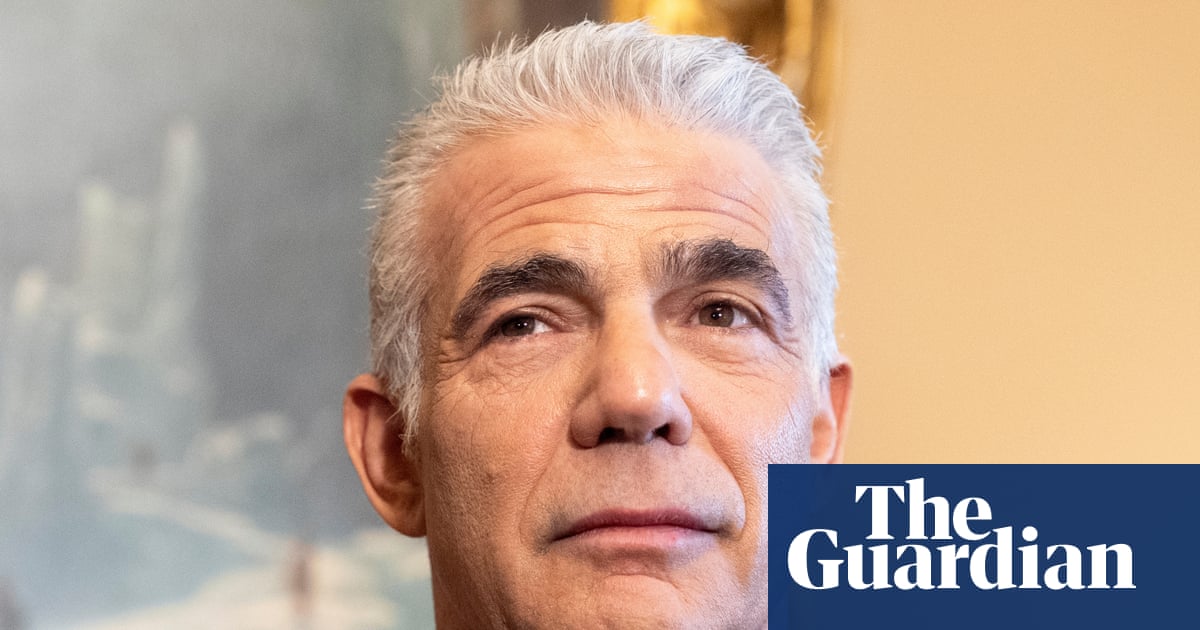
Yair Lapid, a prominent opposition politician, has urged his country to rebuild bridges with incoming Democratic lawmakers, asserting that their hostility is directed specifically at Netanyahu rather than the state of Israel. He described the prime minister as toxic to these new representatives and cautioned against the defeatist notion that America is lost to Israeli interests. Lapid proposed a transatlantic charm offensive by officials from a prospective new government to restore trust, though this approach has faced immediate pushback from US legislators.
Brad Lander, a newly elected Democratic congressman who identifies as a liberal Zionist, responded sharply to Lapid’s proposal. Lander argued that American voters, both Jewish and non-Jewish, are not seeking diplomatic tours but rather tangible respect for international law and human rights. He highlighted the recent detention of Palestinian journalist Abed Abu Shehada as an example of Israel’s violations of these standards. Abu Shehada was reportedly taken from his home in a nighttime raid without a warrant and questioned solely about a podcast interview.
Lander, along with fellow incoming Jewish lawmakers Daniel Bliss and Scott Wiener, sent a letter to Israel’s ambassador demanding the immediate release of Abu Shehada. They characterized the detention as a violation of international law and linked it to broader concerns about the suppression of Palestinian citizens’ political participation. This direct confrontation underscores the difficulty any new Israeli leadership will face in repairing relations with a Democratic Congress that is increasingly focused on accountability rather than traditional alliance management.
The electoral defeat has also caused significant turmoil within the Republican establishment, which is searching for explanations for its loss of voter support. Vice President JD Vance quickly identified the relationship with Israel as a contributing factor to the party’s collapse. This internal criticism adds another layer of complexity for Netanyahu, who has long leveraged his personal rapport with Trump and his fluency in English as evidence of his unique ability to secure Israel’s safety on the global stage.
Compounding the political uncertainty is the financial anxiety stemming from Donald Trump’s election-day pledge to cut $4 billion in annual military aid to Israel. This announcement caused immediate panic among Israeli defense officials, who questioned how the country would fund its security apparatus without such substantial support. One air force commander reportedly expressed extreme distress over the potential budget shortfall, highlighting the fragility of Israel’s defense planning when tied so closely to volatile political rhetoric.
Netanyahu’s office attempted to reframe the aid cut as a joint decision reflecting Israel’s economic strength and a transition from aid to partnership. However, this narrative has done little to calm fears within the security establishment or among the public. Media commentary in Israel suggests that the foundation of the nation’s defense doctrine is undergoing a rapid and severe collapse, driven by the sudden shift in US political dynamics.
As Israeli politicians navigate this new landscape, the path forward remains unclear. The opposition faces the challenge of uniting disparate factions while addressing the demands of a Democratic Congress that prioritizes human rights over traditional diplomatic gestures. Meanwhile, Netanyahu’s strategy of relying on Republican support has left him vulnerable to both domestic opposition and international pressure, marking a pivotal moment in Israel’s political and foreign policy trajectory.
Sources behind this briefing
Go to the original reporting
- The Guardian US↗US midterm results may help unite Israeli coalition to unseat Netanyahu


