The short version
- The United States has officially designated the Ecuadorian criminal group Los Tiguerones as a foreign terrorist organization.
- Secretary of State Marco Rubio announced the move during a tour of Latin America aimed at strengthening security ties with conservative governments.
- The administration is requesting $45 million in additional congressional funding to support joint operations against narcotics trafficking networks.
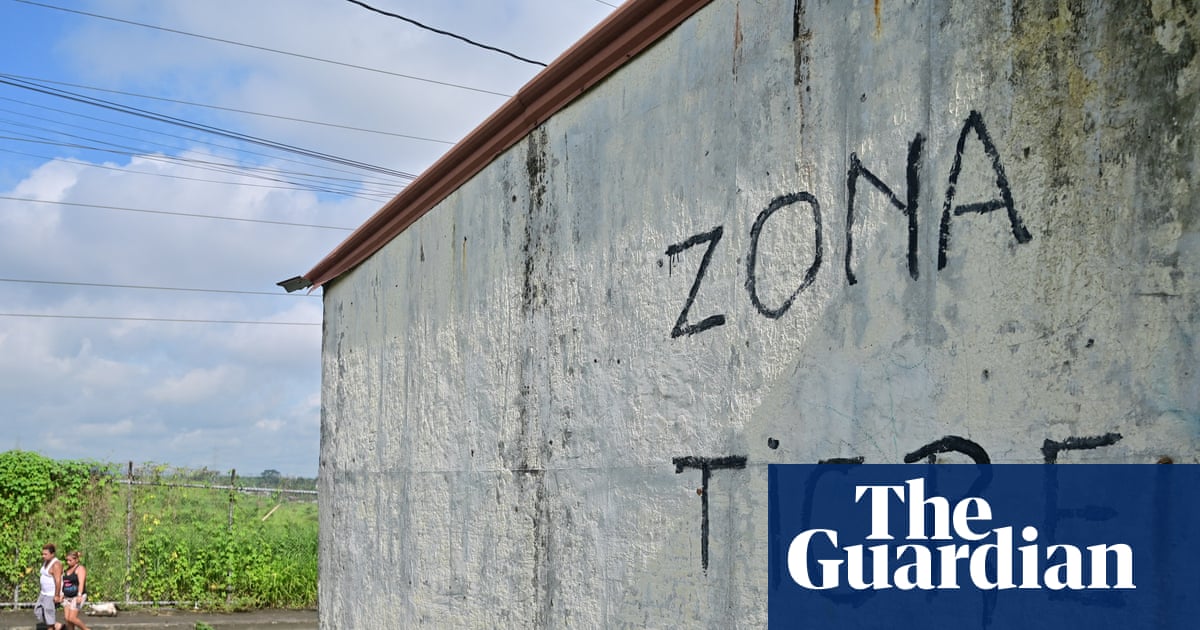
The United States government has formally designated Los Tiguerones, a heavily armed criminal organization based in Ecuador, as a foreign terrorist group. This classification marks a significant escalation in the Trump administration’s approach to transnational crime in Latin America, shifting the narrative from traditional law enforcement to counterterrorism. The announcement was made by Secretary of State Marco Rubio during a diplomatic visit to Quito, signaling a broader strategic pivot toward militarized cooperation with regional partners who share hardline security priorities.
Los Tiguerones gained international notoriety in 2024 when members stormed the TC Televisión network during a live broadcast. The assault, which was captured on video and widely circulated online, featured individuals wielding an arsenal that included pistols, shotguns, machine guns, grenades, and dynamite. This event served as a catalyst for Ecuadorian President Daniel Noboa to declare a state of internal armed conflict, arguing that foreign drug syndicates had infiltrated the country to control routes for coca produced in neighboring Colombia and Peru before shipping it to the United States.
Rubio characterized the group not merely as common criminals or a standard mafia, but as terrorists possessing military-grade equipment comparable to national armies. He cited links between the gang and narcotics trafficking, as well as violent attacks targeting civilians, law enforcement officers, and journalists. By elevating the threat level to terrorism, the administration aims to justify more aggressive interventions and unlock specific legal authorities that are typically reserved for combating state-sponsored or ideologically driven violence rather than profit-driven criminal enterprises.
To support these intensified efforts, Rubio announced plans to seek $45 million in additional funding from Congress. While specific details on how these funds will be allocated were not provided, the goal is explicitly stated as dismantling terrorist groups involved in drug trafficking. Rubio emphasized that elite forces from both the United States and Ecuador are currently collaborating on a daily basis, describing this level of operational integration as unprecedented. This financial request underscores the administration’s commitment to sustaining high-intensity operations against what it views as destabilizing criminal networks.
The designation occurs within the context of a wider regional initiative known as the Shield of Americas. This coalition seeks to tighten security cooperation among right-wing allies in Latin America, empowering leaders who have adopted stringent measures against crime and migration. During his three-nation tour, Rubio has been actively courting these partners, framing their collaboration as essential to countering narcotics trafficking and illegal migration. The strategy reflects a broader political shift in the region, with several newly elected conservative leaders aligning closely with Washington’s security agenda.
In Colombia, Rubio met with President Abelardo De La Espriella, who recently took office after narrowly defeating leftist candidate Gustavo Petro. The Trump administration had maintained cold relations with Petro’s government, and Rubio described the new leadership as an opportunity to confront past mistakes. He characterized Petro’s tenure as unnatural and highlighted Colombia’s recent decision to join the Shield of Americas initiative following the change in government. The two leaders signed memorandums of understanding regarding critical minerals and nuclear energy, alongside discussions on counternarcotics policy.
Rubio praised Ecuador as the most aggressive partner in the military campaign against alleged drug traffickers. This assessment comes amid controversy surrounding US-led strikes against boats suspected of carrying narcotics, which have resulted in at least 227 deaths. The administration has labeled those killed as drug traffickers without providing public evidence to substantiate these claims. Despite the lack of transparency regarding individual cases, Rubio framed these operations as necessary components of a broader effort to dismantle terrorist organizations and secure regional stability.
The diplomatic tour is expected to continue in Peru, where Rubio will meet with President Keiko Fujimori. Fujimori secured victory in a tight July election by a margin of just 50,000 votes against a left-wing opponent. She has pledged to combat crime with an iron fist and has expressed interest in adopting controversial security policies similar to those implemented in El Salvador, a close US ally on security matters. This alignment suggests that the Trump administration’s strategy is gaining traction among conservative leaders across the continent who prioritize strict law enforcement over alternative approaches to social and economic issues.
The designation of Los Tiguerones as a terrorist group raises questions about the long-term implications for civil liberties and judicial processes in Ecuador and beyond. Critics may argue that conflating criminal activity with terrorism could lead to excessive use of force and erosion of due process protections. However, proponents view this reclassification as a necessary tool to combat organizations that operate with military precision and pose a direct threat to state authority. As the administration moves forward with its funding requests and operational plans, the effectiveness and ethical boundaries of this new approach will likely remain subjects of intense debate.
Looking ahead, the success of this strategy will depend on sustained cooperation between US forces and their Latin American counterparts. The integration of elite units and the allocation of additional resources indicate a serious commitment to disrupting narcotics supply chains at their source. However, the political landscape in the region remains complex, with varying degrees of support for hardline security measures. The coming months will reveal whether this militarized approach can achieve lasting stability or if it merely exacerbates existing tensions without addressing the root causes of drug trafficking and organized crime.
Sources behind this briefing
Go to the original reporting
- The Guardian US↗Notorious Ecuadorian crime gang designated a terrorist group by US

