The short version
- Democratic legislators claim US actions are designed to favor far-right candidate Flávio Bolsonaro over incumbent President Lula.
- The letter cites recent tariffs and denied visas for US officials as evidence of a broader pattern of electoral meddling in Latin America.
- Brazil has rejected US diplomatic visits, while the State Department has not yet responded to the lawmakers' demands for clarity.
A significant group of Democratic members of the United States Congress has formally accused the Trump administration of attempting to subvert the upcoming presidential election in Brazil. The legislators argue that recent American diplomatic and economic maneuvers are intended to weaken the country’s democratic institutions and sway the outcome in favor of a far-right candidate. This internal political dispute highlights growing tensions between US foreign policy objectives and the principles of non-interference in allied nations.
The letter, addressed to Secretary of State Marco Rubio, was signed by thirty-one lawmakers, including thirty House representatives and Senator Bernie Sanders. They contend that the administration is engaging in a sustained campaign to destabilize Brazil’s political landscape. The signatories express concern that these actions risk damaging the long-standing relationship between Washington and Brasília, which remains a key strategic partner and trading ally for the United States.
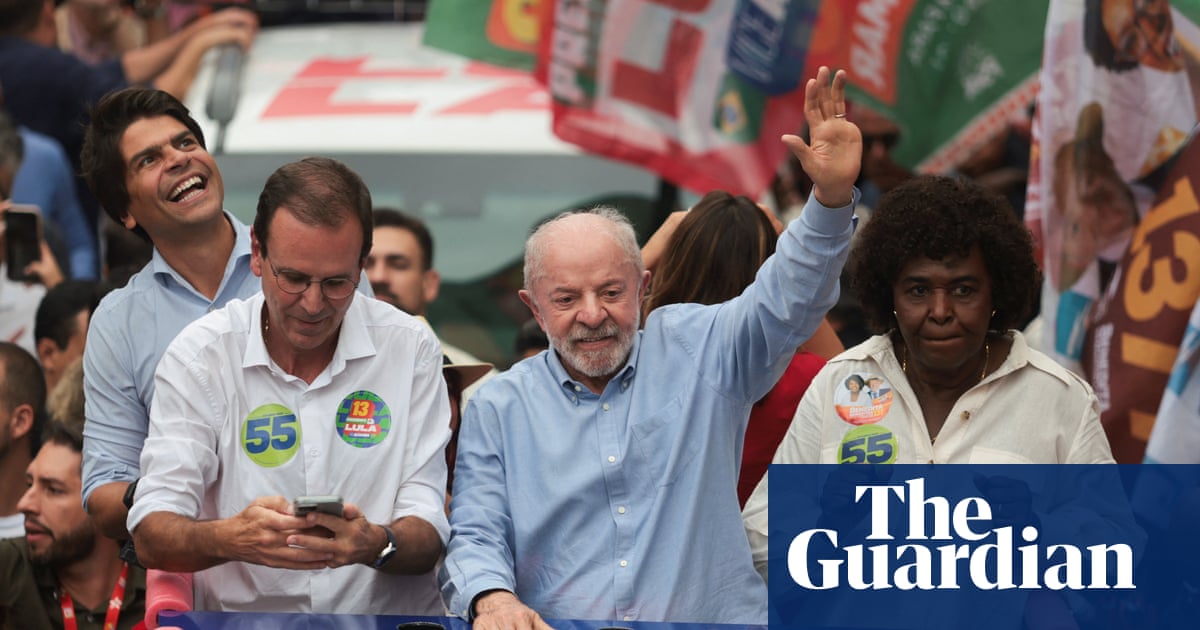
Brazil is preparing for the first round of its presidential election on October 4. Current polling data indicates a statistical tie between incumbent President Luiz Inácio Lula da Silva and Senator Flávio Bolsonaro. Bolsonaro, the son of former president Jair Bolsonaro, has emerged as the primary challenger after his father was convicted and placed under house arrest following an alleged coup attempt in 2022. The tight race has intensified scrutiny on any external factors that might influence voter confidence or candidate standing.
The lawmakers point to specific economic measures as evidence of undue pressure. They highlight tariffs imposed by the Trump administration last year, noting that the former president explicitly linked these trade penalties to the legal proceedings against Jair Bolsonaro. Additionally, new tariffs were introduced in July under Section 301 of US trade law. The Democratic legislators interpret these financial tools not merely as trade policy but as political leverage aimed at punishing the current Brazilian government and its leadership.
Beyond economic sanctions, the letter details diplomatic efforts that the lawmakers characterize as attempts to cast doubt on Brazil’s electoral integrity. The US government reportedly planned to send two officials to Brazil to question the reliability of the voting system. However, the Lula administration denied visas to this delegation. Experts widely regard Brazil’s electronic voting infrastructure as one of the most secure and reliable in the world, making the US skepticism appear unfounded to many observers.
President Lula has publicly addressed these tensions without naming specific individuals. During his address at the United Nations General Assembly earlier this week, he warned against external actors seeking to undermine the will of the people. He framed the issue as a defense of democracy against both internal and external enemies. This rhetoric aligns with the concerns raised by the US Democratic lawmakers, who see the administration’s actions as contrary to American values.
The current dispute is part of a broader pattern identified by the legislators. They cite similar allegations regarding recent elections in Argentina, Honduras, and Colombia. In July, a smaller group of Democrats sent a letter accusing the Trump administration of interfering in Colombia’s vote to support Abelardo de la Espriella, who ultimately won the second round. The lawmakers argue that these incidents reflect a systematic approach to influencing Latin American politics rather than isolated diplomatic missteps.
The signatories have requested a formal commitment from the State Department to respect Brazil’s electoral process. They asked for a response by October 1, just days before the election begins. As of now, the State Department has not issued a comment regarding the allegations or the specific requests made in the letter. The lack of immediate clarification leaves uncertainty about the administration’s official stance on its involvement in Brazilian affairs.
This conflict underscores the complex dynamics of US-Latin American relations under the current administration. While economic and trade policies are standard tools of statecraft, their timing and stated motivations have raised alarms among critics who view them as politically motivated interference. The outcome of the Brazilian election may be influenced by these external pressures, but the domestic political landscape remains the primary driver of voter behavior.
As the election date approaches, the focus will shift to how both candidates respond to the controversy. If the allegations gain traction, they could impact international perceptions of US foreign policy credibility. Conversely, if dismissed as partisan politics, the incident may fade from global headlines. Regardless, the episode serves as a reminder of the delicate balance between national interest and respect for sovereign democratic processes.
Sources behind this briefing
Go to the original reporting
- The Guardian World↗Democratic lawmakers accuse Trump administration of interference in Brazilian elections