The short version
- Limited US strikes targeted surface-to-air missiles on Iran's Qeshm Island shortly before midterm voting began.
- Vice President JD Vance expressed confidence in a negotiated settlement despite the military activity.
- The administration appears to be managing public perception of the war to mitigate economic backlash during elections.
United States forces executed limited military strikes against Iranian positions on Qeshm Island late Monday, according to multiple media reports. The operation targeted surface-to-air missile systems that had been deployed against American assets. This action marks the first publicly acknowledged attack by Washington on Iranian soil in several weeks, occurring just hours before polls opened for crucial midterm elections across the United States.
The timing of the strikes presents a complex political picture. While Vice President JD Vance voiced optimism about diplomatic progress earlier that day, the military activity underscores the ongoing volatility of the region. Iranian state media reported hearing explosions on the island, which sits at the strategic entrance to the Strait of Hormuz. Local outlets described the cause of the blasts as unclear initially, but international news agencies identified the targets as defensive measures rather than an escalation toward full-scale hostilities.
Administration officials have sought to downplay the significance of recent military engagements. The Wall Street Journal reported that these strikes are part of a series of operations conducted in recent weeks that were deliberately kept secret. Sources indicated that the Trump administration aimed to avoid signaling any intent to resume broader military campaigns against Iran. This strategy appears designed to prevent further spiking oil prices and economic anxiety among voters ahead of Tuesday’s elections.
President Donald Trump addressed the conflict directly on Monday, denying that a war was currently raging. He suggested that while hostilities could resume if negotiations fail, there is a strong likelihood that both parties desire a deal. Trump highlighted a recent drop in oil prices as evidence of stabilizing conditions, framing this economic shift as a result of renewed diplomatic efforts. His comments were part of a closing message for the midterm campaign, aiming to reassure voters concerned about the cost-of-living impacts of the conflict.
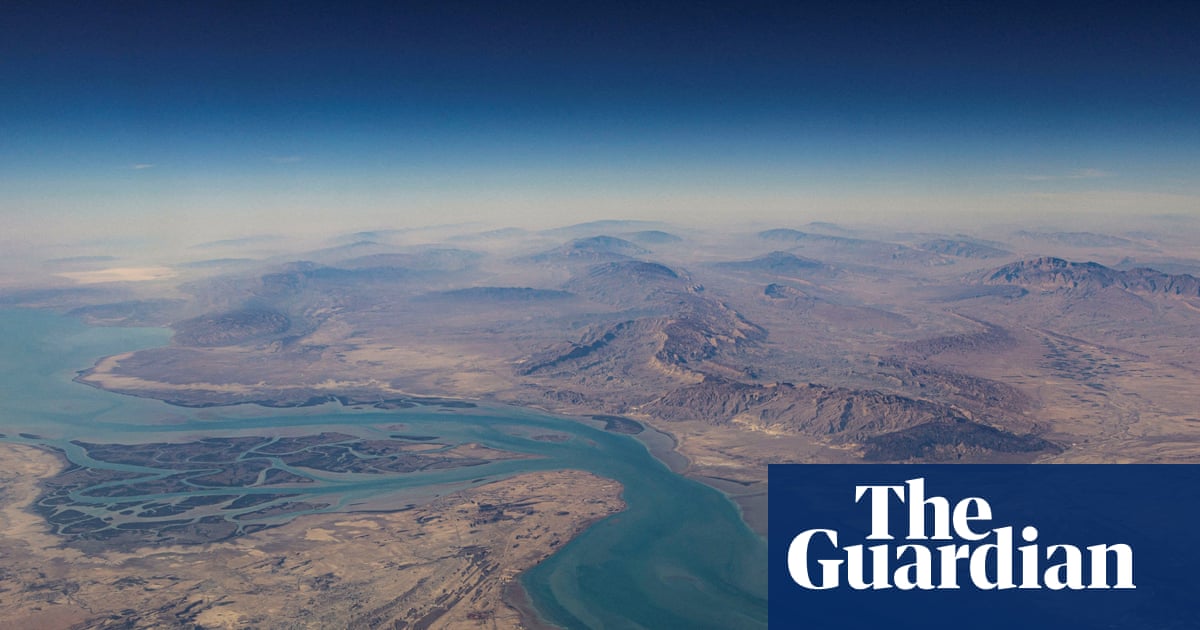
The geopolitical stakes remain high as Iran continues to enforce its closure of the Strait of Hormuz. Despite a cessation of major attacks in recent weeks, Tehran has maintained pressure on maritime traffic by targeting oil tankers and shipping containers attempting to transit the waterway. Qeshm Island has been used previously to launch such attacks, making it a recurring target for US military operations throughout the duration of the conflict.
Diplomatic channels appear to be active alongside these military maneuvers. Tehran recently revealed that indirect negotiations with Washington are underway. Vance told reporters that he and the president feel positive about the prospects for a negotiated settlement, noting that some progress has already been made. This dual approach of limited military pressure combined with diplomatic engagement suggests an attempt to leverage tactical advantages while keeping peace talks viable.
The midterm elections serve as a critical referendum on the administration’s handling of the war. Polls indicate that voters are likely to punish Republican candidates for the cascading economic effects of the conflict, particularly rising petrol prices. By characterizing recent strikes as defensive and limited, the White House hopes to minimize political damage while maintaining strategic pressure on Iran.
US Central Command did not immediately respond to requests for comment regarding the specific details of the Monday night operation. The lack of official confirmation from military leadership aligns with the reported strategy of keeping such actions low-profile. As voting proceeds across the United States, the interplay between military tactics and diplomatic overtures will likely define the immediate future of US-Iran relations.
The situation remains fluid, with uncertainty surrounding whether these strikes will encourage Iran to return to the negotiating table or provoke further retaliation. The administration’s ability to secure a deal while managing domestic economic concerns will be tested in the coming days. Voters and international observers alike are watching closely to see if the reported optimism translates into tangible peace agreements.
Future developments will depend on how both sides interpret these limited engagements. If the strikes are viewed as coercive diplomacy, they may facilitate a breakthrough. Conversely, if perceived as aggressive posturing, they could derail fragile negotiations. The coming weeks will reveal whether the current strategy balances military necessity with political expediency effectively.
Sources behind this briefing
Go to the original reporting
- The Guardian World↗US reportedly strikes Iran’s Qeshm Island as Vance voices optimism about a deal


