The short version
- Thai officials confirmed the stop is routine and intended for rest, not military exercises.
- Reports indicate significant supply shortages and mental health crises among crew members.
- A sailor facing disciplinary charges after jumping overboard highlights tensions between medical care and naval discipline.
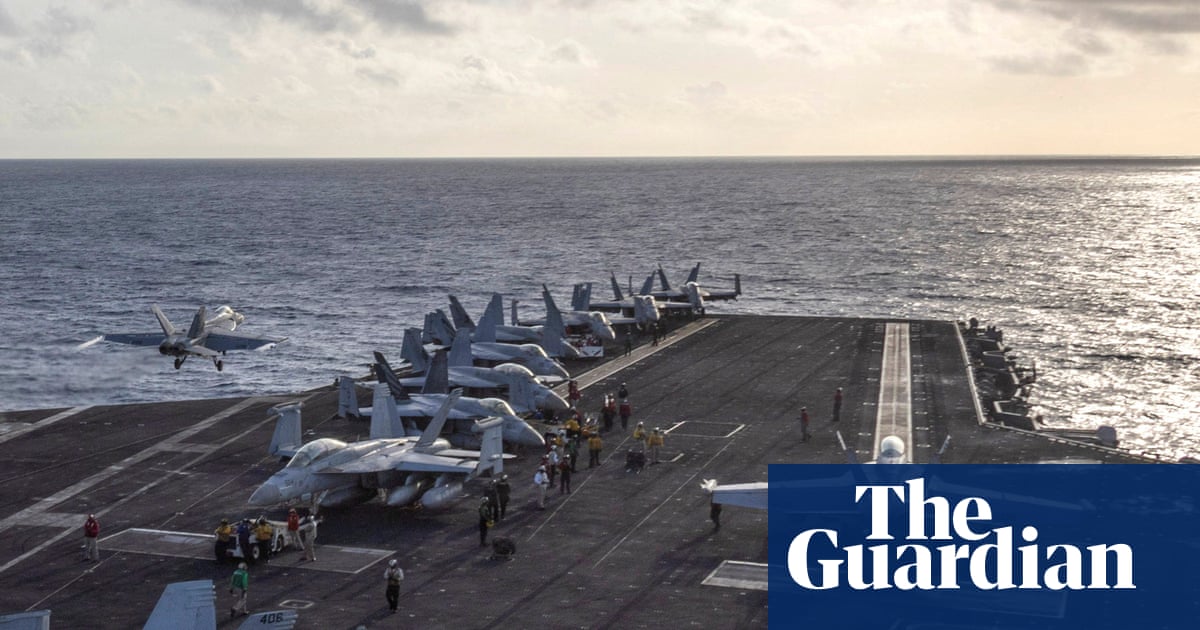
The USS Abraham Lincoln is scheduled to make a temporary stop in Thailand next week as it begins its long journey back to San Diego. Thai navy officials described the visit as routine, stating that the primary purpose is to allow crew members to rest and receive logistical support after more than 250 consecutive days at sea. The carrier recently departed the Middle East, having been relieved by the USS George Washington, and is now transiting through Southeast Asia before returning to the United States.
The timing of this port call coincides with growing scrutiny regarding the conditions aboard the vessel. Family members of sailors have reported severe shortages of essential supplies, including water, as well as persistent plumbing failures. These physical hardships appear to have contributed to low morale and worsening mental health among the approximately 5,000 personnel on board. The Thai navy emphasized that no military exercises will take place during the brief stay in eastern Thailand, focusing instead on the humanitarian aspect of allowing troops to recuperate.
Concerns about the well-being of the crew have intensified following reports of several sailors attempting to jump overboard. One such incident has drawn particular attention after the wife of a sailor involved revealed that her husband is now facing disciplinary action from the Navy. The couple, both 19 years old, had welcomed a daughter in February while he was deployed. His wife stated that he had requested paternity leave prior to the incident but was denied, adding context to the personal strain experienced by service members during this extended deployment.
According to charging documents viewed by media outlets, the sailor is accused of violating Article 83 for malingering. This charge applies when a service member intentionally fakes illness or inflicts self-injury with the intent to avoid duty. He is also reportedly charged with absence without leave under Article 86, which covers unauthorized failure to report to one’s place of duty. These charges suggest that the Navy is treating the incident as misconduct rather than solely a medical emergency, despite the apparent mental health crisis.
The sailor is currently facing non-judicial punishment, a process typically used by commanding officers to address minor rule-breaking without resorting to a court-martial. His wife told reporters that he has since returned to the United States and is undergoing evaluation. The case highlights the complex intersection of medical needs and military discipline, raising questions about how the Navy handles mental health emergencies in high-stress operational environments.
In response to the incident, a Navy official stated that the service’s first responsibility was the sailor’s safety and well-being. They confirmed that he was safely recovered, medically evacuated from the ship, and evaluated by professionals. The official noted that he continues to have access to appropriate care and support, emphasizing that medical treatment and administrative processes are separate and do not preclude one another.
The Navy further explained that commands have discretion to address misconduct based on the totality of circumstances. However, they declined to discuss specific evidence or ongoing proceedings, citing protected medical information and active personnel matters. This stance has done little to quell concerns among lawmakers and families who are demanding greater transparency regarding the conditions that led to such extreme measures by crew members.
The Lincoln originally departed San Diego in November bound for the Pacific but was redirected to the Middle East to support US operations against Iran. The extended duration of this deployment, without significant port visits, has placed unprecedented strain on the vessel and its crew. Democratic lawmakers have demanded answers from the Pentagon regarding the reported shortages and the mental health toll on sailors, signaling potential political repercussions for the Navy’s management of this mission.
As the carrier prepares to dock in Thailand, the focus remains on providing immediate relief to exhausted personnel. The brief stop offers a critical opportunity for rest before the final leg of the journey home. However, the underlying issues of supply chain failures and mental health support systems remain unresolved, leaving many questions about how the Navy will address these systemic challenges in future deployments.
The situation underscores the human cost of prolonged military engagements and the difficulties of maintaining operational readiness under extreme conditions. While the Thai port visit provides temporary respite, it does not resolve the broader concerns raised by families and lawmakers. The outcome of the disciplinary proceedings against the sailor involved may serve as a test case for how the military balances duty requirements with the mental health needs of its service members.
Sources behind this briefing
Go to the original reporting
- The Guardian World↗USS Abraham Lincoln to visit port in Thailand after more than 250 days at sea